
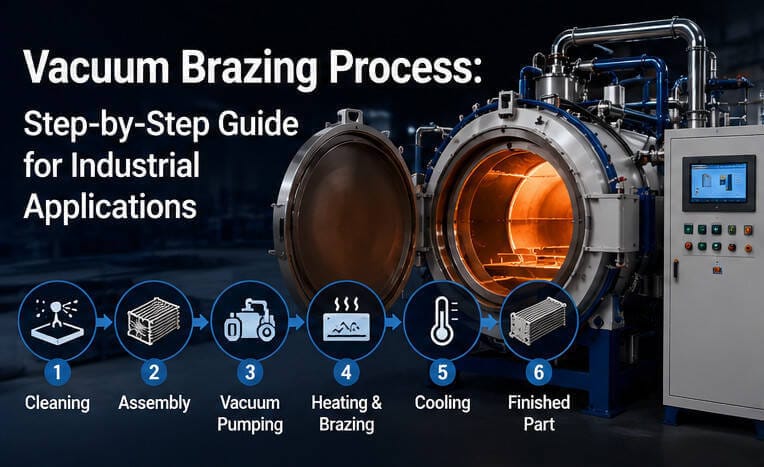
What Is Vacuum Brazing? Process, Advantages and Industrial Applications
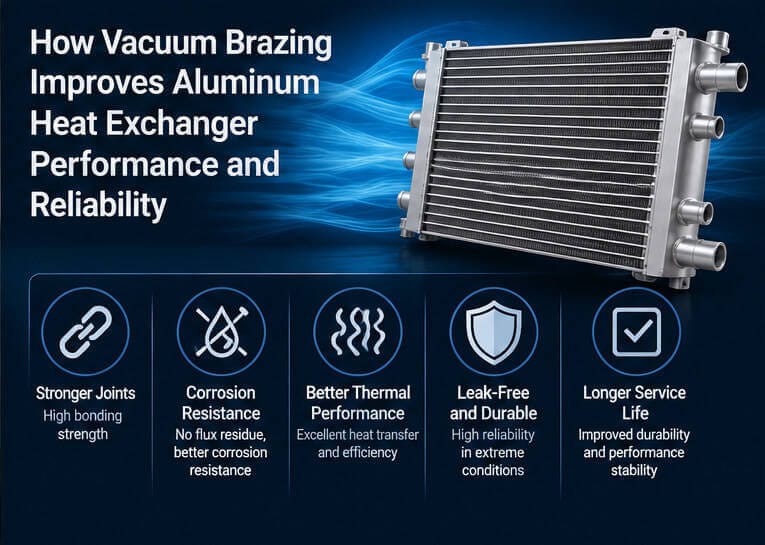
Discover what vacuum brazing is, how the process works, its key advantages, and common industrial applications in cooling systems, aerospace, and precision assemblies.

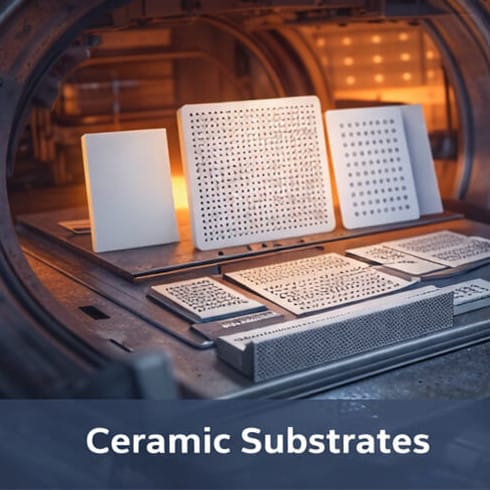
High-temperature sintering of ceramic substrates and insulating electronic components.

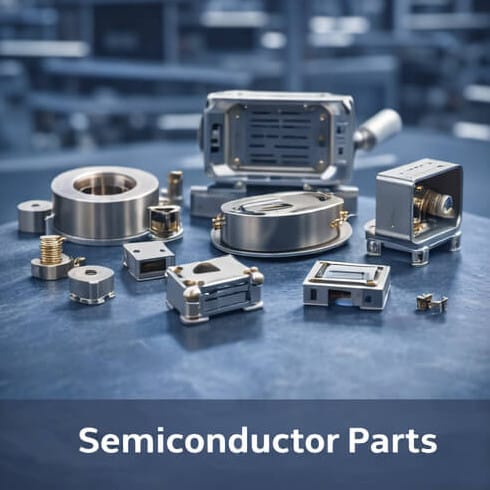
Vacuum heat treatment and brazing of semiconductor housings and precision metal parts.

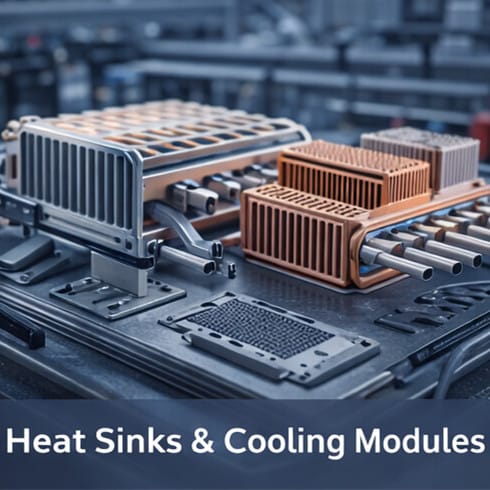
Vacuum brazing of aluminum heat sinks, cold plates, and communication cooling systems.

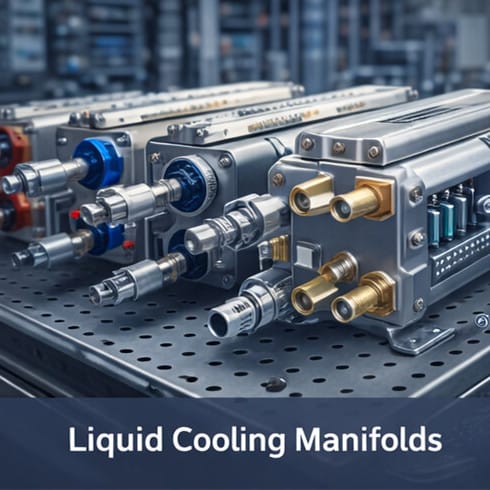
Vacuum brazing for server liquid cooling distributors and thermal management modules.

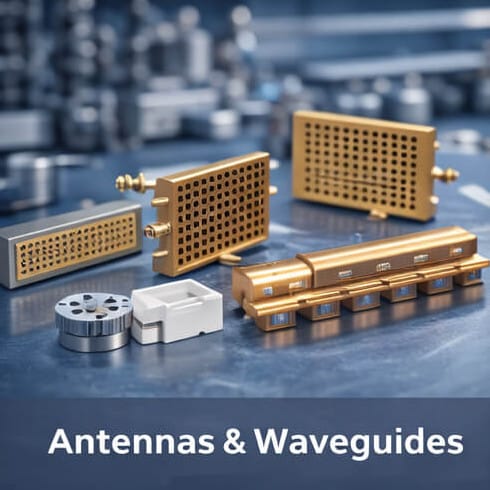
Precision brazing of communication antennas, waveguides, and RF housings.

Heat treatment and brazing of precision connectors and conductive assemblies.
Years of experience in vacuum furnace design, manufacturing, and thermal processing solutions for diverse industrial applications.
Strict quality control and stable production processes ensure consistent product performance and long-term operational reliability.
Flexible OEM, ODM, and custom processing services tailored to customer drawings, materials, and technical requirements.

Discover what vacuum brazing is, how the process works, its key advantages, and common industrial applications in cooling systems, aerospace, and precision assemblies.

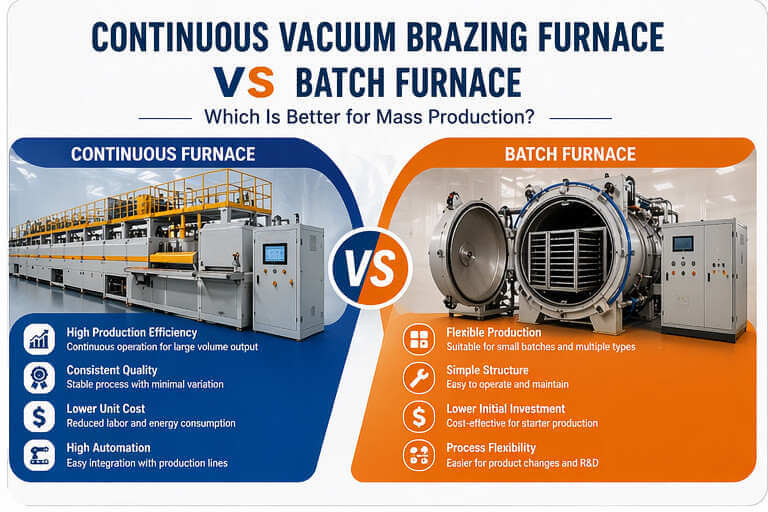
Compare continuous vacuum brazing furnaces and batch furnaces for automation, productivity, consistency, and production cost. Find out which solution is better for large-scale industrial manufacturing.

Discover how vacuum brazing furnaces support server liquid cooling systems, cold plates, and heat exchanger manufacturing for AI data centers, telecom equipment, and industrial thermal management applications.

Learn how 3D printing sintering furnaces improve density, dimensional stability, and mechanical strength for additive manufacturing metal and ceramic parts. Explore post-processing solutions for industrial applications.