info@synthe-corp.com

+86-155-3785-7393

Process-Based Furnace Selection

Vacuum HeatTreatment Furnaces

Select the right furnace for hardening, carburizing, annealing or tempering based on your alloy, target properties, cooling method, load size and production volume.

  • Gas and oil quenching
  • Low-pressure carburizing
  • Annealing and tempering
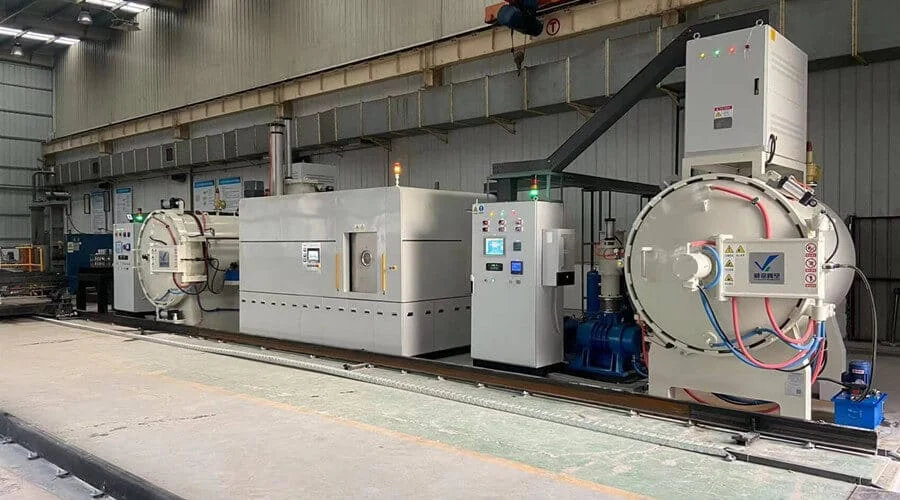
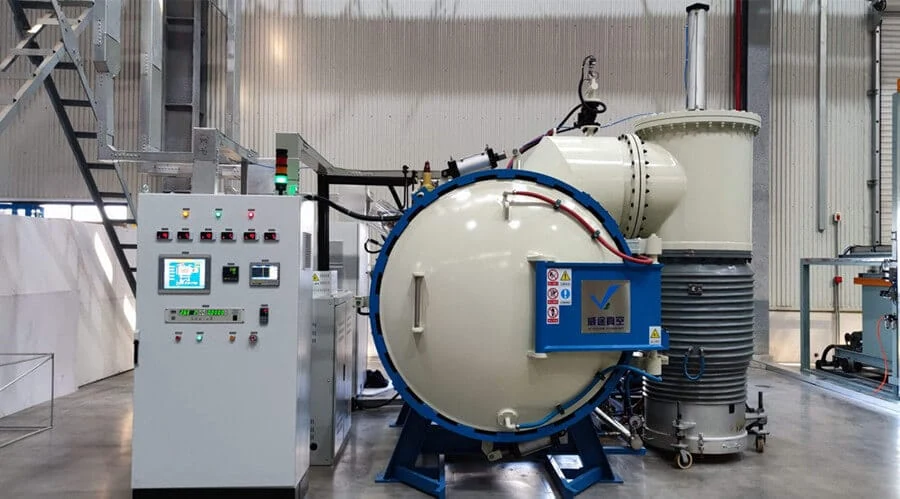
SYNHTE horizontal vacuum heat treatment furnace system
Horizontal vacuum heat treatment system

Select by Material and Result

Match Your Material to the Right Process

Start with the alloy, incoming condition and target result. Section size, load layout and acceptance criteria then determine the heating and cooling process.

STEP 01Material & incoming state
STEP 02Required properties
STEP 03Thermal process
STEP 04Cooling method
STEP 05Production method
01

Hardening

Tool, mold, high-speed and alloy steels

For parts requiring high hardness, wear resistance and a clean surface after heating.

Typical Process
Vacuum gas or oil quenching
Selection Inputs
Alloy hardenability, critical section, fixture mass and distortion limit
02

Case Hardening

Gears, shafts and alloy components

For components requiring a controlled hardened case with a tough core.

Typical Process
Low-pressure carburizing with the selected gas or oil quench
Selection Inputs
Effective case depth, carbon profile, geometry and required core properties
03

Solution and Aging

Stainless steel, titanium and suitable high-temperature alloys

For alloys requiring solution treatment, aging or vacuum dehydrogenation under controlled atmosphere and cooling.

Typical Process
High-pressure gas quenching furnace
Selection Inputs
Alloy condition, gas purity, cooling response and mechanical-property target
04

Magnetic Annealing

Soft magnetic materials, silicon steel and electrical pure iron

For clean, uniform annealing where magnetic performance is the main acceptance target.

Typical Process
Vacuum annealing furnace
Selection Inputs
Temperature uniformity, load presentation, cooling profile and records
05

Stress Relief

Welded, formed and cold-stamped components

For parts requiring lower residual stress and better dimensional stability.

Typical Process
Vacuum annealing or stress-relief configuration
Selection Inputs
Material condition, temperature window, distortion history and fixture strategy
06

Post-Quench Tempering

Quenched tool, high-speed, alloy and suitable titanium parts

For components requiring the specified hardness-toughness balance and dimensional stability.

Typical Process
Vacuum tempering furnace
Selection Inputs
Single or multiple temper, transfer sequence, load uniformity and final hardness

For an accurate furnace recommendation: provide the alloy, critical section, load layout, fixture mass and acceptance criteria. These factors determine cooling pressure, vacuum level, transfer method and cycle time.

Furnace Types

Compare Vacuum Heat Treatment Furnace Types

Compare each furnace family by process fit, cooling method and the key inputs required for configuration.

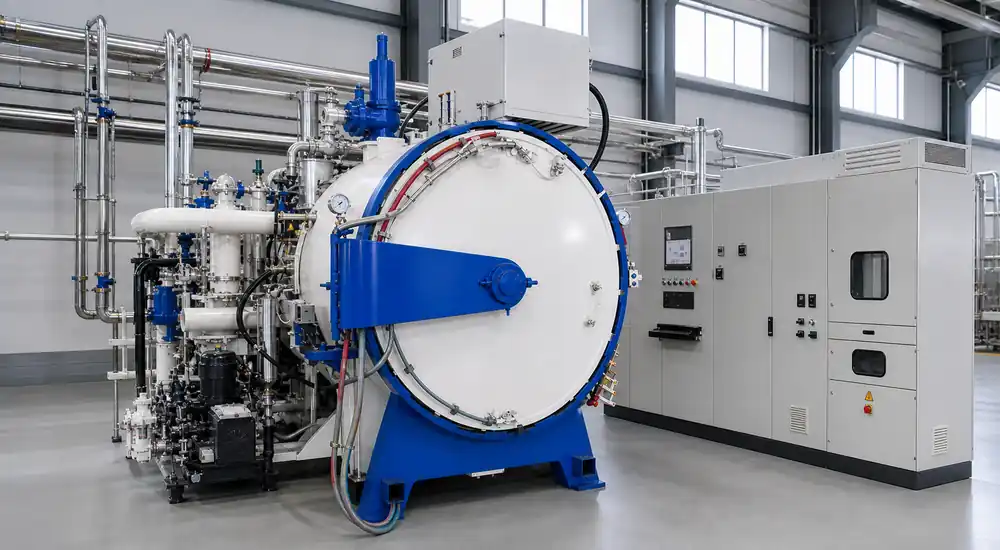
SYNHTE high-pressure vacuum gas quenching furnace

Gas Quenching

Vacuum Gas Quenching Furnace

For hardening, solution treatment and aging of alloys that can achieve the required properties with gas cooling.

  • Clean cooling route with reduced post-process cleaning
  • Gas type, pressure and cooling rate are matched to the load
View Gas Quenching Furnace
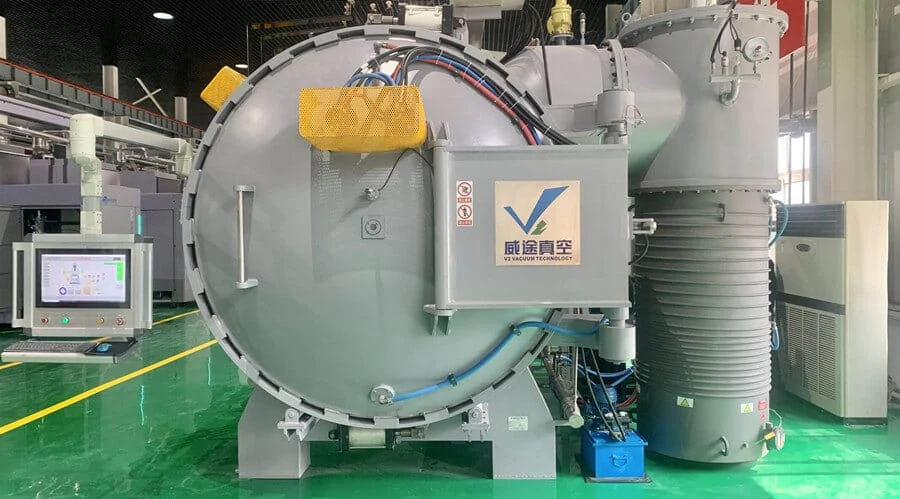
SYNHTE double-chamber vacuum oil quenching furnace

Oil Quenching

Vacuum Oil Quenching Furnace

For alloy and tool-steel components that require faster oil cooling after vacuum heating.

  • Double-chamber transfer and oil-handling options
  • Washing, tempering and safety interfaces can be integrated
View Oil Quenching Furnace
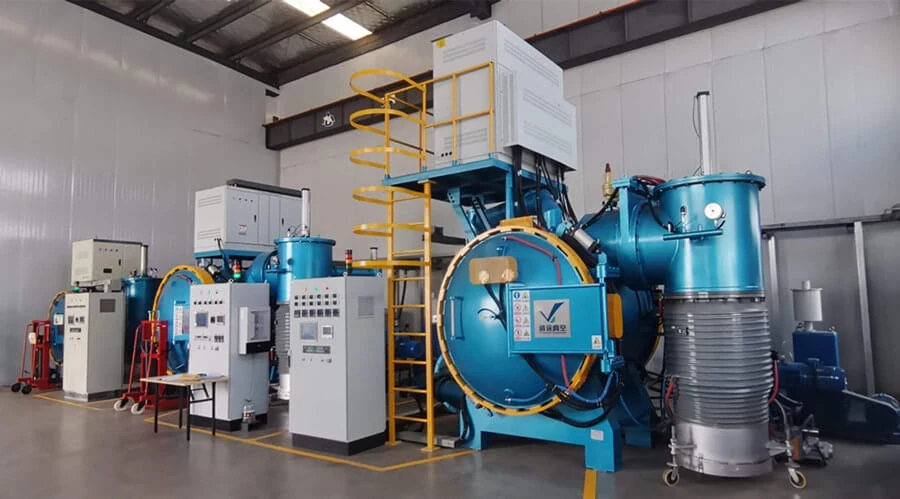
SYNHTE low-pressure vacuum carburizing furnace

Low-Pressure Carburizing

Vacuum Carburizing Furnace

For gears, shafts and wear components requiring controlled case depth and surface hardness.

  • Case profile and load density shape the carburizing recipe
  • Gas or oil quenching is selected with the complete process
View Carburizing Furnace
SYNHTE vacuum annealing furnace

Annealing and Stress Relief

Vacuum Annealing Furnace

For bright annealing, magnetic annealing and stress relief of compatible alloys and components.

  • Convection heating can be assessed for applicable loads
  • Uniformity is defined around the usable workload
View Annealing Furnace
SYNHTE vacuum tempering furnace

Controlled Tempering

Vacuum Tempering Furnace

For bright, controlled tempering after quenching to achieve final hardness, toughness and stability.

  • Single or multiple temper cycles can be configured
  • Preceding quench and transfer sequence remain in scope
View Tempering Furnace

Cooling Method

Gas or Oil Quenching: Which Fits Your Parts?

Cooling must achieve the required metallurgical properties while keeping distortion, surface condition and handling within your acceptance limits.

01 · GAS

Choose High-Pressure Gas Quenching When

  • The qualified alloy and section can achieve the required cooling response.
  • Clean handling and bright surface condition are important.
  • Controlled cooling and reduced post-process cleaning support production.
  • A 6 or 10 bar configuration is validated for the alloy, critical section and load.
02 · OIL

Choose Vacuum Oil Quenching When

  • The material and critical section require a faster qualified cooling process.
  • Oil temperature, agitation, transfer time and load layout can be engineered as one system.
  • Downstream washing and tempering are included in the process flow.
  • Site safety, maintenance and oil-handling interfaces are defined.
HardenabilityAlloy response and incoming state
Critical SectionThickest area and heat-extraction path
Load PresentationSpacing, fixtures and total thermal mass
Acceptance LimitsHardness, distortion and surface condition

Production Mode

Choose Batch Processing or an Automated Line

Batch furnaces support flexible product mixes and recipe changes. Automated or continuous systems are engineered to order for stable part flow, repeatable geometry, defined takt time and plant integration.

Flexible Production

Batch System

Suited to multiple part families, variable loads, recipe changes, development work and lots that require independent records.

  • Define usable work zone, fixture envelope and load mass.
  • State recipes per shift and expected changeover.
  • Confirm cooling method, cycle objective and data records.
Engineered to Order

Automated or Continuous System

Suited to mature part families with repeatable geometry, stable volume and surrounding production capable of synchronized handling.

  • Provide part takt, uptime target and carrier concept.
  • Define upstream and downstream buffers and quality gates.
  • Include utilities, controls integration, maintenance access and plant layout.
Recommended Configuration

Furnace type · cooling method · usable work zone · rated load · automation · controls · acceptance requirements

Reference Specifications

Compare Temperature, Vacuum and Cooling Options

Available configurations span multiple temperature, hot-zone, vacuum, cooling and automation options. Final values are matched to the selected furnace and process.

Maximum Temperature Options
950°C / 1320°CMatched to the process, material and hot-zone design.
Heating Element Options
Graphite / Molybdenum / Ni-CrMaterial and temperature range determine compatibility.
Selected-System Vacuum References
5×10⁻⁴ or 4×10⁻³ PaFinal vacuum level depends on the furnace type, chamber, measurement basis and workload.
Gas-Cooling References
2 bar · 6 / 10 bar optionsPressure and gas-flow design are matched to the model and required cooling rate.
Temperature Uniformity Reference
±5°CFinal uniformity commitment is tied to the qualified work zone and applicable survey standard.
Architecture and Controls
Horizontal / VerticalLoading, automation, alarms and data logging are configured for the project.

Before order confirmation: agree the operating values, test methods, tolerances and FAT/SAT acceptance criteria in the technical agreement.

SYNHTE Engineering & Manufacturing

View SYNHTE's workshop, engineering team, patents and available certification information. Project-specific documents are available on request.

View Company & Factory Information

Project Scope & Technical Agreement

Define process assumptions, utilities, interfaces, acceptance tolerances, documentation and responsibilities in one project scope.

Discuss Your Configuration

Request an Engineering Proposal

Tell Us About Your Parts and Process

Not all specifications need to be finalized. Send the drawing, alloy and target result, and our engineering team can help define the remaining requirements.

Part & Process Details

  • Part drawing, alloy grade and incoming condition
  • Target hardness, case depth, structure, distortion or surface result
  • Largest part, fixture envelope and total load mass
  • Process sequence and known cooling requirement
  • Loads per shift, annual volume, takt and product mix
  • Utilities, plant constraints, records and FAT/SAT requirements

Your Technical Proposal Can Cover

  • Recommended furnace family and production method
  • Usable work zone, rated load and loading concept
  • Heating, vacuum and gas or oil cooling configuration
  • Control, recipe, alarm and data-recording scope
  • Utilities, installation boundary and optional equipment
  • Acceptance tests, documentation, training and service boundary

Share the information you have. Our engineers will help identify the remaining technical inputs.

Request an Engineering Proposal

Contact Us

15+ Years Industrial Experience

Annual output 200+

CE & ISO Certified

Reply within 12 hours

Professional technical support

Free consultation service