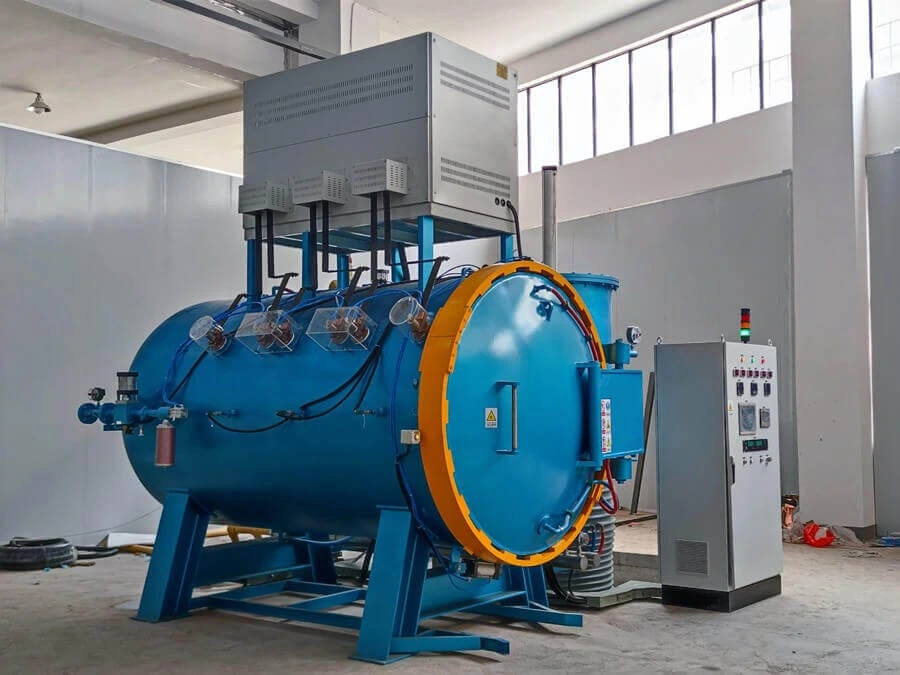
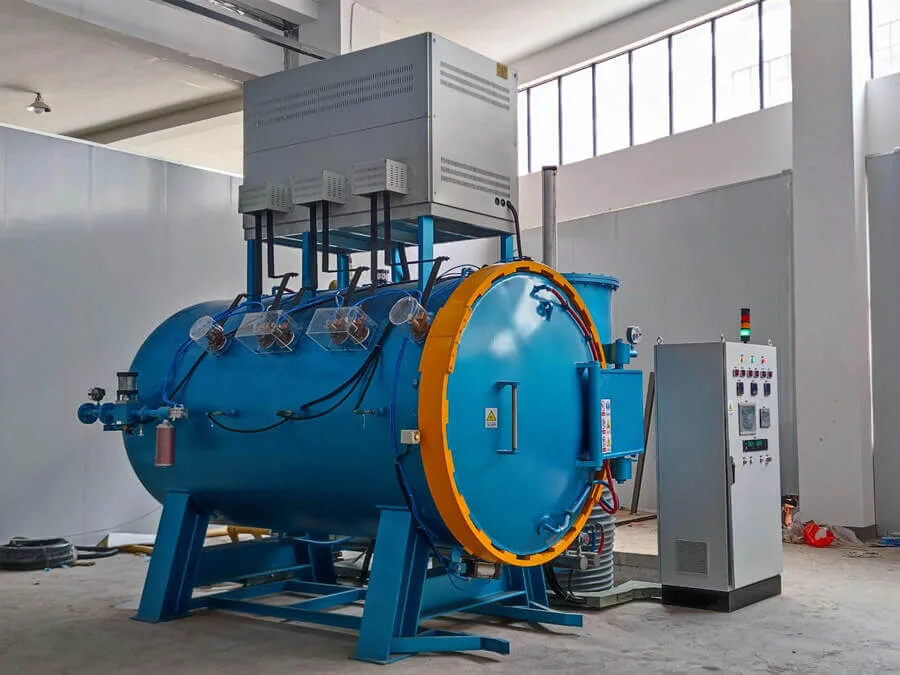
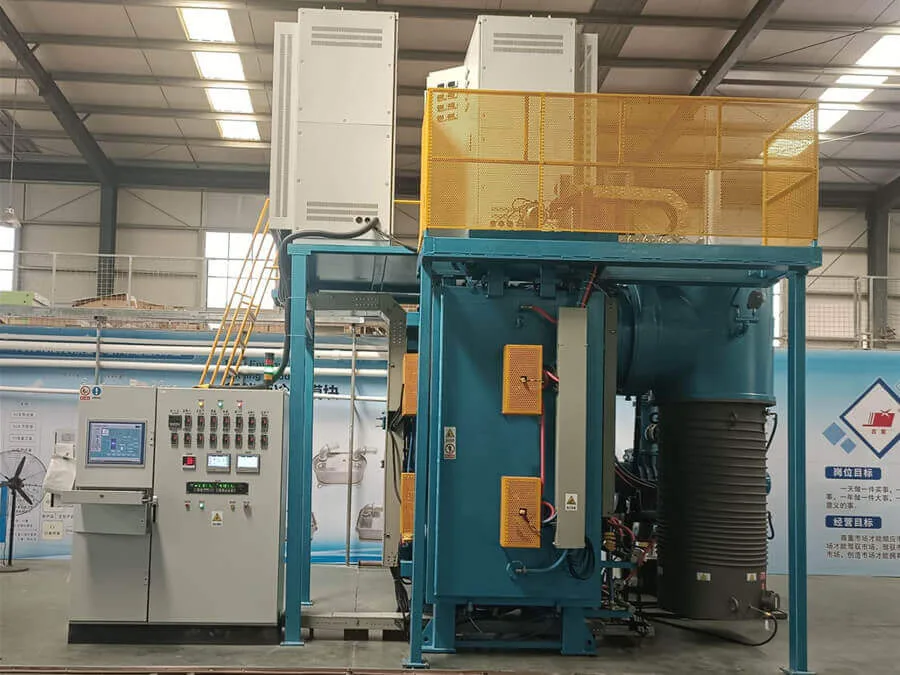
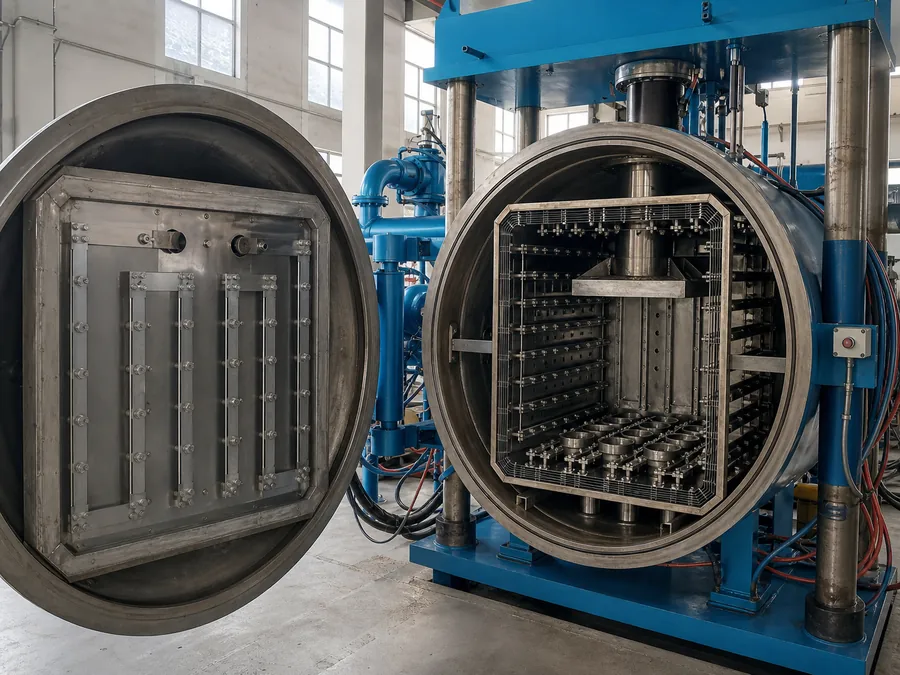
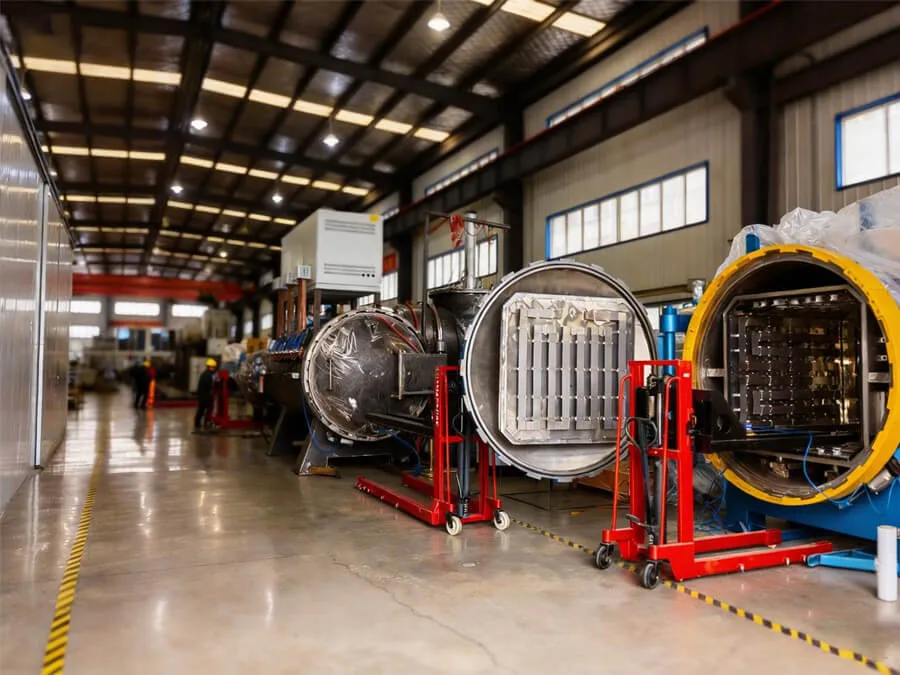
High Vacuum Aluminum Brazing Furnace
For plate-fin heat exchangers, cold plates, radiators, evaporators, condensers, manifolds and other controlled aluminum brazing applications.
Compare aluminum, high-temperature, continuous and pressure-assisted joining routes. Each SYNHTE system is configured around the assembly, joint, thermal cycle, load and acceptance plan.

Choose the product family that matches the joining route. Detailed dimensions, vacuum performance, loading and options are reviewed on each product page and in the project proposal.
For plate-fin heat exchangers, cold plates, radiators, evaporators, condensers, manifolds and other controlled aluminum brazing applications.
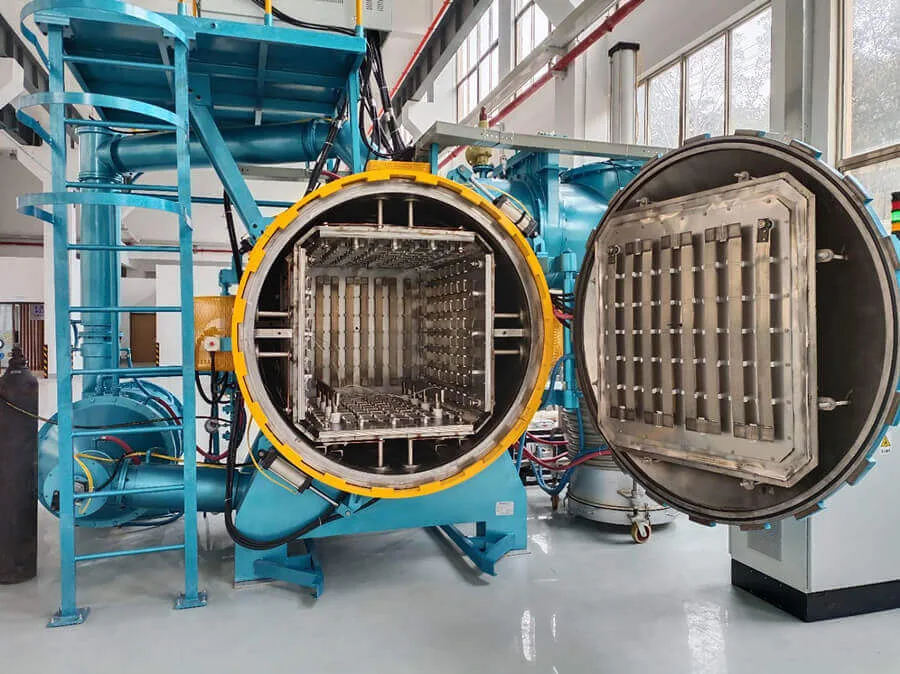
For stainless steel, titanium alloys, superalloys, cemented carbide and compatible precision assemblies using a qualified filler-metal process.
For a standardized part family with proven joint, fixture and transfer conditions where automated loading, heating and unloading support sustained output.
For diffusion bonding or pressure-assisted joining where interface contact, tooling and the thermal cycle must be coordinated as one process.
Compare material, joint, temperature and production requirements to identify the most suitable furnace route.
| Furnace route | Materials and assembly | Joint condition | Temperature basis | Production fit | Selection boundary |
|---|---|---|---|---|---|
| Aluminum vacuum brazingThermal assemblies | Aluminum heat exchangers, cold plates, condensers, evaporators, manifolds and similar leak-tight assemblies. | Flux-free filler-metal brazing with controlled cleanliness, filler flow, thermal balance and fixture repeatability. | Reference maximum: 750°C. | Discrete loads, changing sizes and recipe-based records. | Best fit: aluminum thermal assemblies requiring a controlled vacuum cycle. Consider another route: higher-temperature alloys, sustained conveyor flow or applied joining pressure. |
| High-temperature vacuum brazingPrecision metal joining | Stainless steel, titanium alloy, superalloy, cemented carbide and compatible precision metal assemblies. | Qualified filler-metal brazing where clean surfaces, hot-zone selection and part-specific fixturing are primary. | Reference maximum: 1300°C. | Flexible loads, mixed part families and development or repeat production. | Best fit: materials or thermal requirements beyond an aluminum platform. Consider another route: applied pressure is essential or stable high-volume flow justifies a continuous line. |
| Continuous vacuum brazingAutomated production flow | Repeat aluminum, stainless, copper or high-temperature assemblies after the joint, fixture and transfer path are proven. | Automatic loading, multi-zone heating, controlled transfer and unloading for a stable part family. | Platform options: 750°C or 1300°C. | Sustained output, fixed orientation and integrated material handling. | Best fit: automation, stable demand and repeatability justify line integration. Consider another route: product mix, fixtures or recipes change frequently, or the process is not yet qualified. |
| Diffusion bonding & brazingPressure-assisted joining | Titanium alloy, stainless steel, precision alloy, stacked plates and high-value interfaces requiring controlled contact. | Solid-state diffusion bonding or a pressure-assisted route where tooling, thermal cycle and hydraulic loading interact. | VTM reference: 1200°C / 200 t. | High-value discrete assemblies and low-to-medium volume stacks. | Best fit: applied pressure and interface contact are part of the joining specification. Consider another route: free-flow filler brazing or high-volume conveyor production is required. |
Aluminum heat exchangers, cold plates, condensers, evaporators, manifolds and similar leak-tight assemblies.
Flux-free filler-metal brazing with controlled cleanliness, filler flow, thermal balance and fixture repeatability.
Reference maximum: 750°C.
Discrete loads, changing sizes and recipe-based records.
Best fit: aluminum thermal assemblies requiring a controlled vacuum cycle.
Consider another route: higher-temperature alloys, sustained conveyor flow or applied joining pressure.
Stainless steel, titanium alloy, superalloy, cemented carbide and compatible precision metal assemblies.
Qualified filler-metal brazing where clean surfaces, hot-zone selection and part-specific fixturing are primary.
Reference maximum: 1300°C.
Flexible loads, mixed part families and development or repeat production.
Best fit: materials or thermal requirements beyond an aluminum platform.
Consider another route: applied pressure is essential or stable high-volume flow justifies a continuous line.
Repeat aluminum, stainless, copper or high-temperature assemblies after the joint, fixture and transfer path are proven.
Automatic loading, multi-zone heating, controlled transfer and unloading for a stable part family.
Platform options: 750°C or 1300°C.
Sustained output, fixed orientation and integrated material handling.
Best fit: automation, stable demand and repeatability justify line integration.
Consider another route: product mix, fixtures or recipes change frequently, or the process is not yet qualified.
Titanium alloy, stainless steel, precision alloy, stacked plates and high-value interfaces requiring controlled contact.
Solid-state diffusion bonding or a defined pressure-assisted route where tooling, thermal cycle and hydraulic loading interact.
VTM reference: 1200°C / 200 t.
High-value discrete assemblies and low-to-medium volume stacks.
Best fit: applied pressure and interface contact are part of the joining specification.
Consider another route: free-flow filler brazing or high-volume conveyor production is required.
Reference values describe furnace-platform capability. Working zone, load condition, uniformity basis, vacuum test condition, tooling, cooling and cycle are confirmed for each application.
Working-zone size, process window, production method and verification requirements are evaluated together before the furnace configuration is proposed.
Discuss my applicationLargest part, fixture clearance, tray or tooling arrangement, effective load mass and loading access establish the usable envelope.
Material and filler, maximum temperature, hot-zone construction, uniformity basis, vacuum condition and cooling target define the process hardware.
Parts per load, target cycle, annual volume, changeovers and upstream or downstream handling determine whether flexible loads or continuous flow have the better fit.
Recipe access, alarms, data export, utilities, safety interfaces and documentation are aligned with the plant quality and operating workflow.
Evidence, records and responsibilities are agreed before fabrication. Test and documentation scope is then aligned with the selected furnace and contract.

Confirm the work-zone drawing, loading concept, utilities, controls, interfaces and document list.
Review the approved furnace configuration, inspection points and required manufacturing records.
Agree dimensional, heating, vacuum, control, alarm, interlock and recording checks, including witness requirements where applicable.
Coordinate packing, installation inputs, commissioning, training, data handover and the checks that close site acceptance.
Explore process and acceptance guidance for defining equipment requirements.
The usable work zone is reviewed from the largest part, fixture, handling clearance, load mass and loading method. Our preliminary proposal identifies the applicable load envelope and loading basis, not only the nominal chamber size.
Share the component, material, filler or diffusion route, joint objective and inspection criteria. Trial availability and qualification scope are evaluated from the part, process maturity and required evidence.
Key factors include working-zone size, temperature range, vacuum and cooling architecture, automation, tooling, controls, test requirements, documentation, site utilities and the agreed delivery boundary.
Confirm delivery access, foundations where applicable, electrical and cooling utilities, gas or exhaust interfaces, plant safety requirements, installation responsibilities, training and site acceptance criteria.
Tell us about any confidentiality or controlled-file requirements before sharing sensitive drawings. An initial review can begin with the material, part envelope, load and production target.
Start with the information already available. These five inputs are enough for an initial route review; process and acceptance details can be added when known.
When available, include the thermal profile, vacuum, cooling, utility, data, FAT/SAT and documentation requirements.