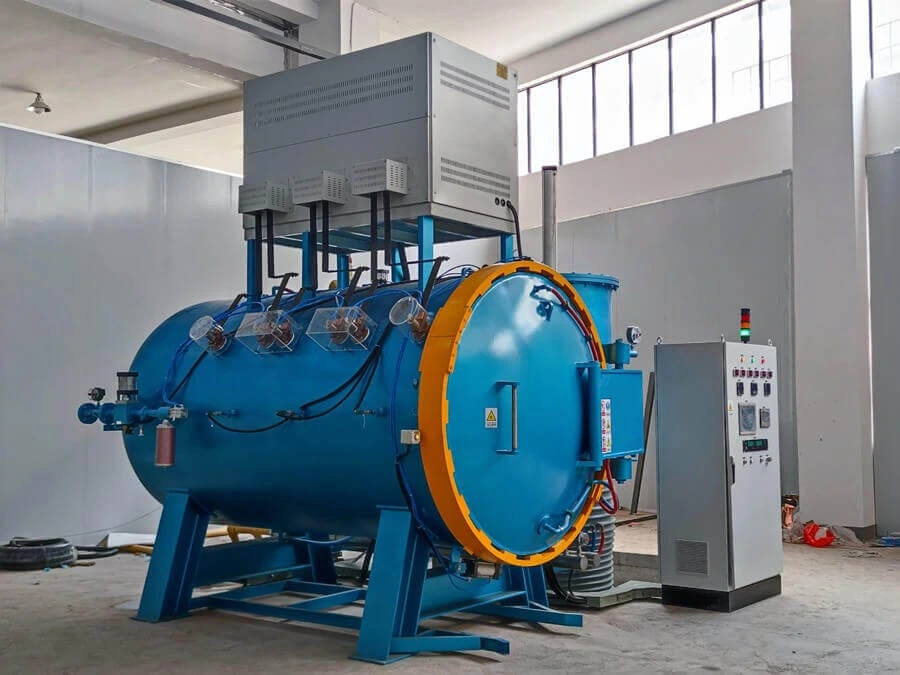
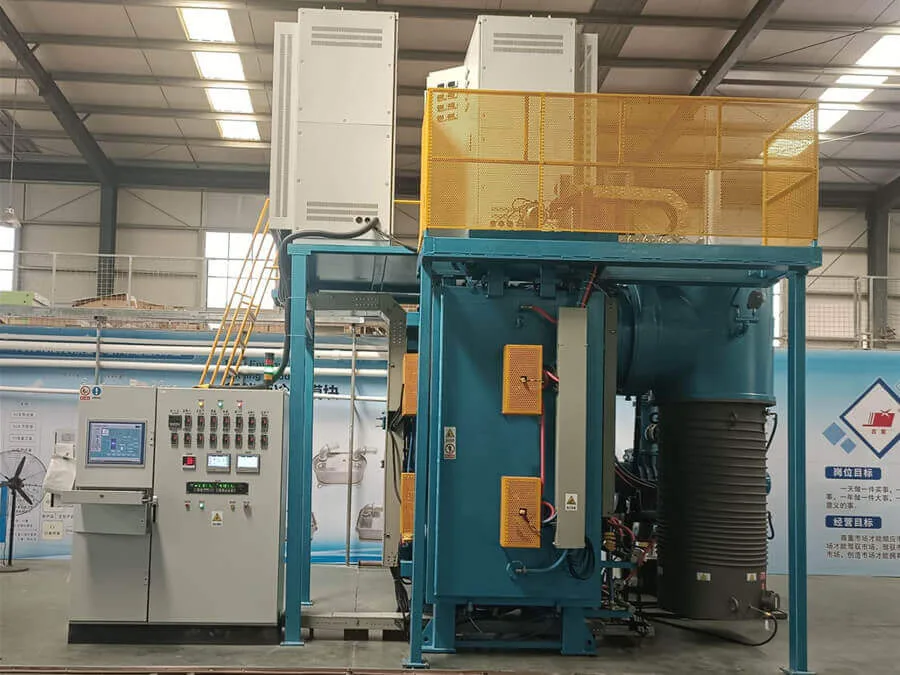
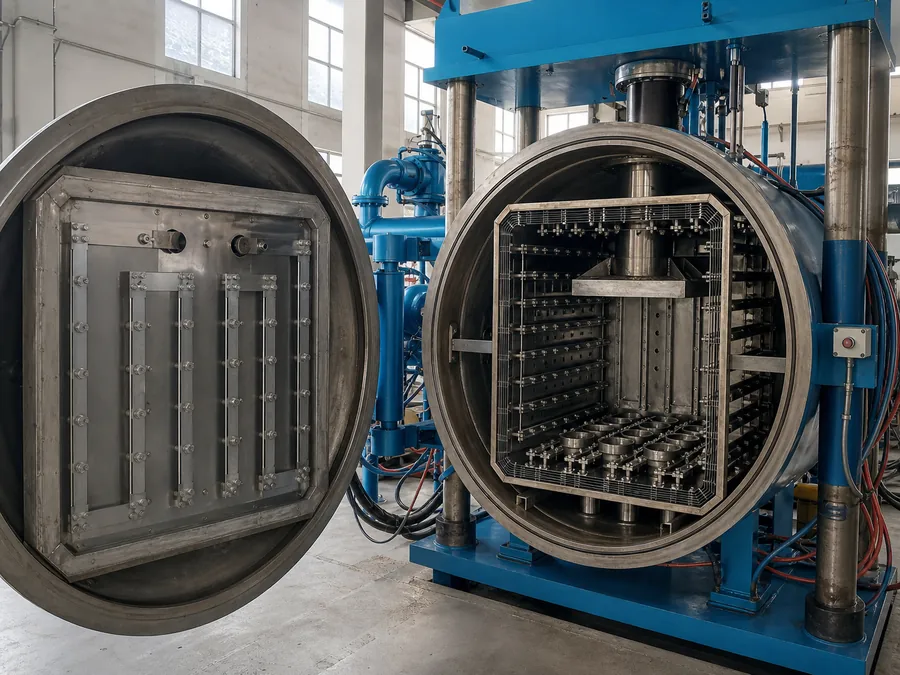
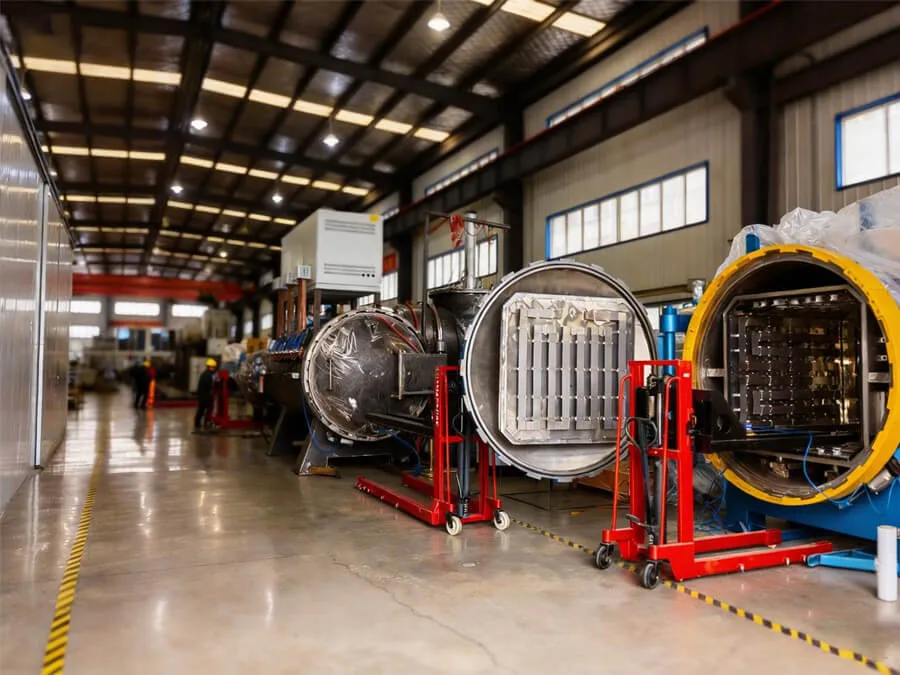
| Aluminum vacuum brazingThermal assemblies | Aluminum heat exchangers, cold plates, condensers, evaporators, manifolds and similar leak-tight assemblies. | Flux-free filler-metal brazing with controlled cleanliness, filler flow, thermal balance and fixture repeatability. | Reference maximum: 750°C. | Discrete loads, changing sizes and recipe-based records. | Best fit: aluminum thermal assemblies requiring a controlled vacuum cycle.
Consider another route: higher-temperature alloys, sustained conveyor flow or applied joining pressure. |
|---|
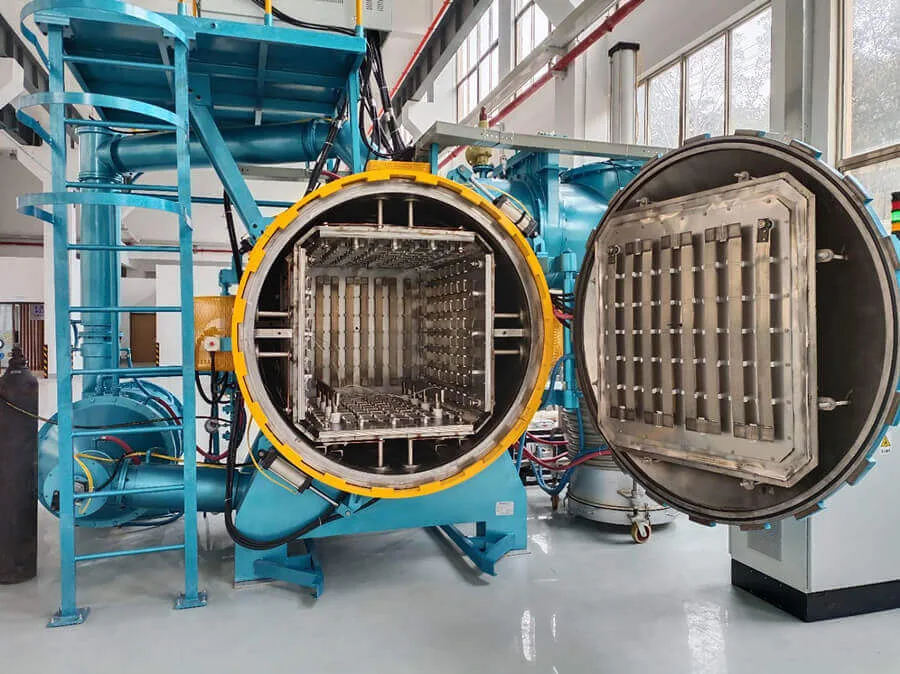
| High-temperature vacuum brazingPrecision metal joining | Stainless steel, titanium alloy, superalloy, cemented carbide and compatible precision metal assemblies. | Qualified filler-metal brazing where clean surfaces, hot-zone selection and part-specific fixturing are primary. | Reference maximum: 1300°C. | Flexible loads, mixed part families and development or repeat production. | Best fit: materials or thermal requirements beyond an aluminum platform.
Consider another route: applied pressure is essential or stable high-volume flow justifies a continuous line. |
|---|
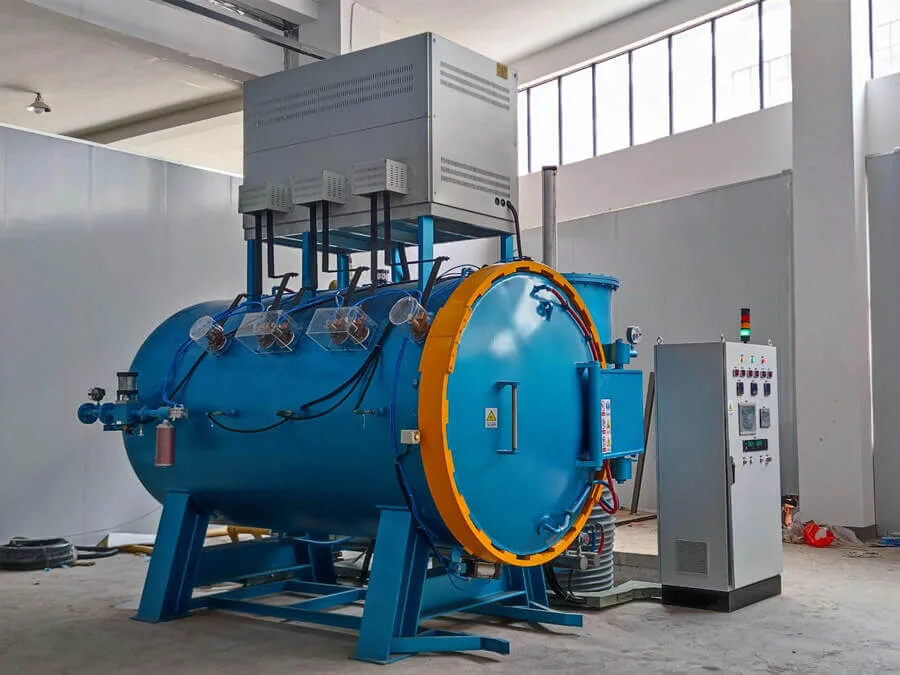
| Continuous vacuum brazingAutomated production flow | Repeat aluminum, stainless, copper or high-temperature assemblies after the joint, fixture and transfer path are proven. | Automatic loading, multi-zone heating, controlled transfer and unloading for a stable part family. | Platform options: 750°C or 1300°C. | Sustained output, fixed orientation and integrated material handling. | Best fit: automation, stable demand and repeatability justify line integration.
Consider another route: product mix, fixtures or recipes change frequently, or the process is not yet qualified. |
|---|
| Diffusion bonding & brazingPressure-assisted joining | Titanium alloy, stainless steel, precision alloy, stacked plates and high-value interfaces requiring controlled contact. | Solid-state diffusion bonding or a pressure-assisted route where tooling, thermal cycle and hydraulic loading interact. | VTM reference: 1200°C / 200 t. | High-value discrete assemblies and low-to-medium volume stacks. | Best fit: applied pressure and interface contact are part of the joining specification.
Consider another route: free-flow filler brazing or high-volume conveyor production is required. |
|---|