What Is Vacuum Brazing?
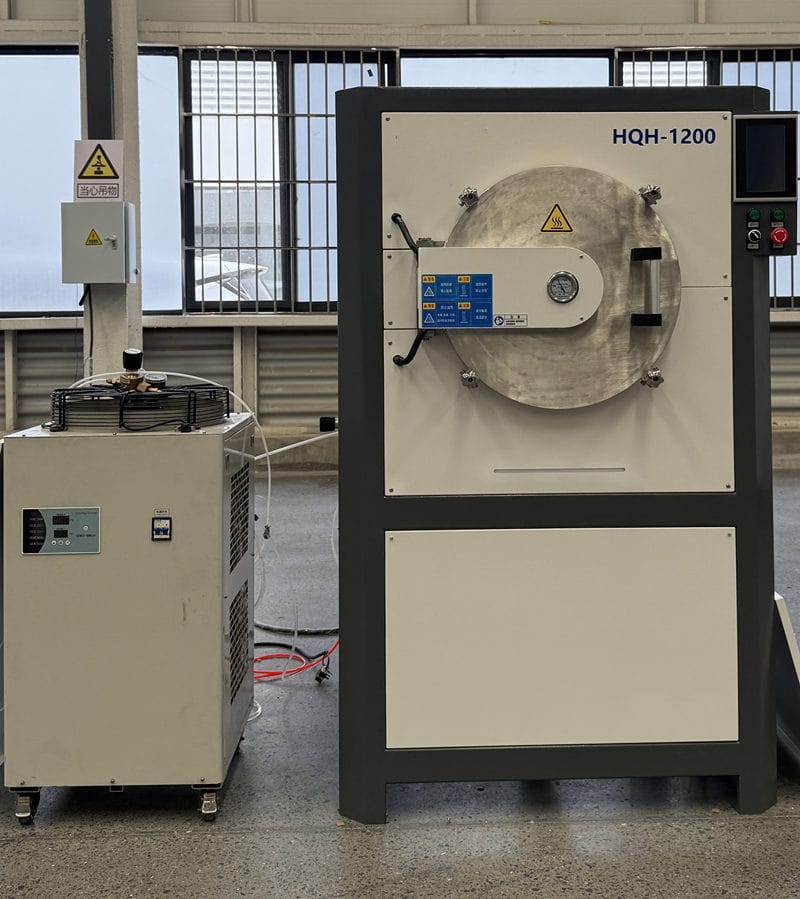
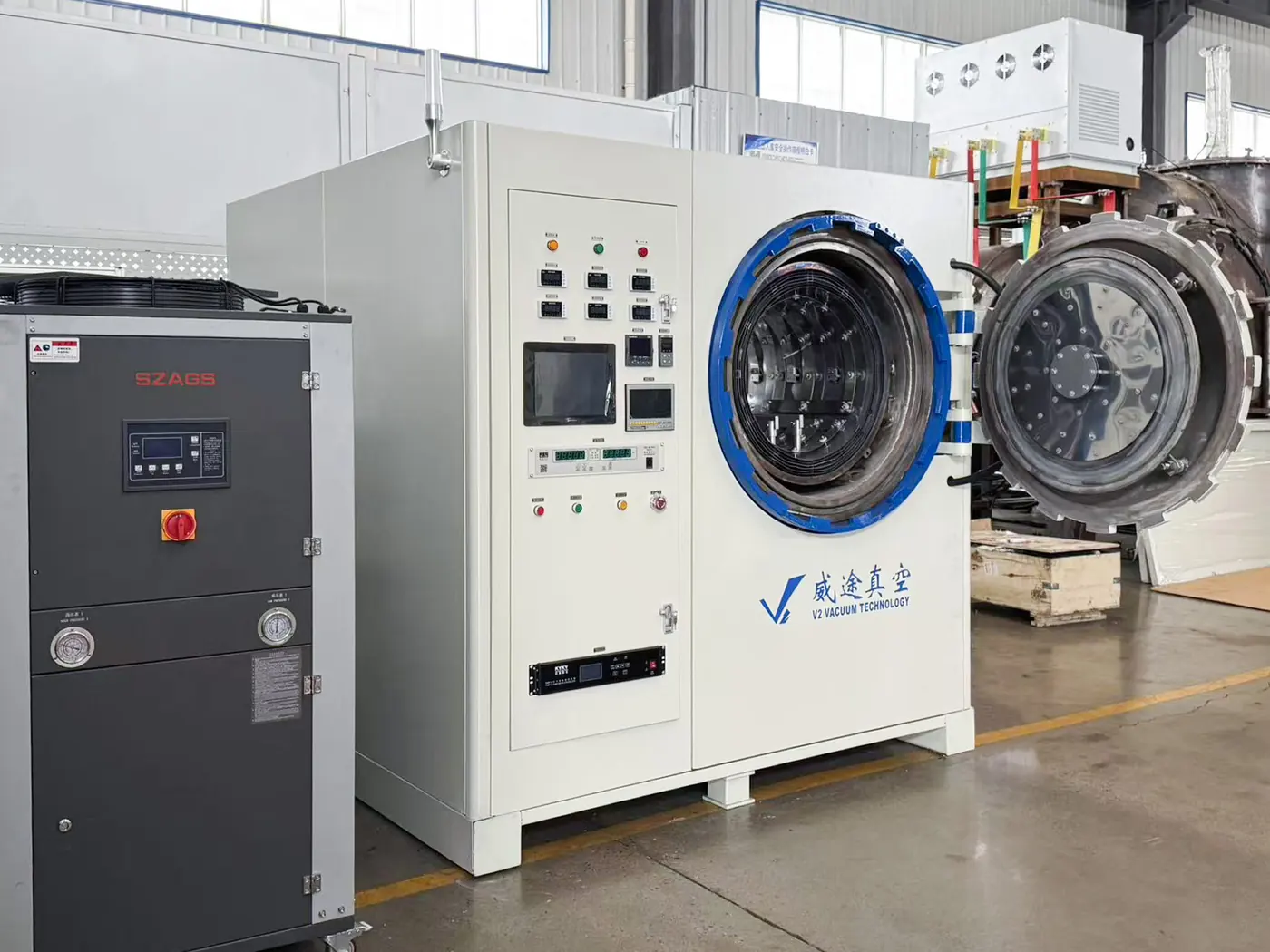
Vacuum brazing is a precision metal joining process performed inside a vacuum furnace.
During the process, a filler metal with a lower melting temperature than the base materials is heated until it melts and flows into the joint gap.
The base materials themselves do not melt.
Instead, the molten filler alloy fills the joint through capillary action and forms a strong metallurgical bond after cooling.
Process, Advantages and Industrial Applications
In modern manufacturing, many industrial products require multiple metal components to be joined with high strength, excellent thermal conductivity, and leak-tight sealing.
This is where vacuum brazing plays a critical role.
It is widely used in industries such as aerospace, automotive manufacturing, electronics cooling, and advanced thermal management systems.
This article explains what vacuum brazing is, how it works, and why it is widely adopted in precision manufacturing.
How Does the Vacuum Brazing Process Work?
The process usually includes four main steps.
1. Assembly Preparation
Components are assembled with brazing filler material such as:
2. Vacuum Heating
The assembly is loaded into the vacuum chamber.
Oxygen and moisture are removed to prevent oxidation.
3. Filler Melting and Flow
The filler alloy melts and flows uniformly into the joint gap.
4. Cooling and Bond Formation
After controlled cooling, a strong, clean, and leak-tight joint is formed.
Key Advantages of Vacuum Brazing
The process offers several significant advantages.
Clean Joint Surface
No flux residue and no oxidation.
High Joint Strength
Excellent metallurgical bonding.
High Leak Tightness
Ideal for cooling and fluid systems.
Minimal Distortion
Uniform heating reduces thermal stress.
Suitable for Complex Assemblies
Excellent for multi-joint structures.
Typical Applications
Vacuum brazing is widely used for:
- aluminum heat exchangers
- liquid cooling cold plates
- manifolds
- aerospace thermal components
- stainless steel assemblies
- communication cooling modules
Common Industries
Main industries include:
- data centers
- EV battery cooling
- aerospace
- electronics
- medical devices
Final Thoughts
Vacuum brazing remains one of the most important joining technologies for modern industrial manufacturing.
For products requiring clean surfaces, strong joints, and excellent thermal performance, it is often the preferred solution.