How diffusion pumps support vacuum brazing: jet design, cooling and...
Read MoreIn modern industrial systems, heat exchangers are critical components responsible for transferring heat efficiently and maintaining system stability.
They are widely used in:
In these applications, performance is not only determined by design, but also by joining quality between components.
Aluminum heat exchangers are typically assembled from:
These parts must be joined with:
This is where vacuum brazing technology plays a decisive role.
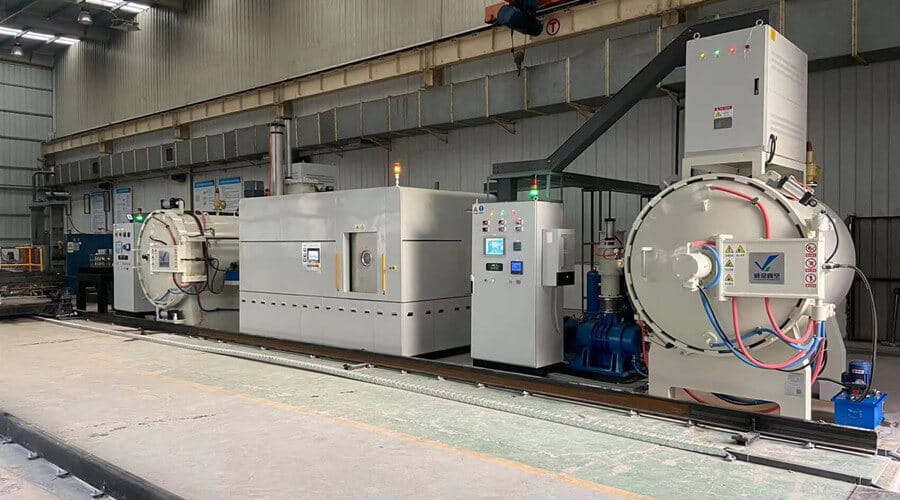
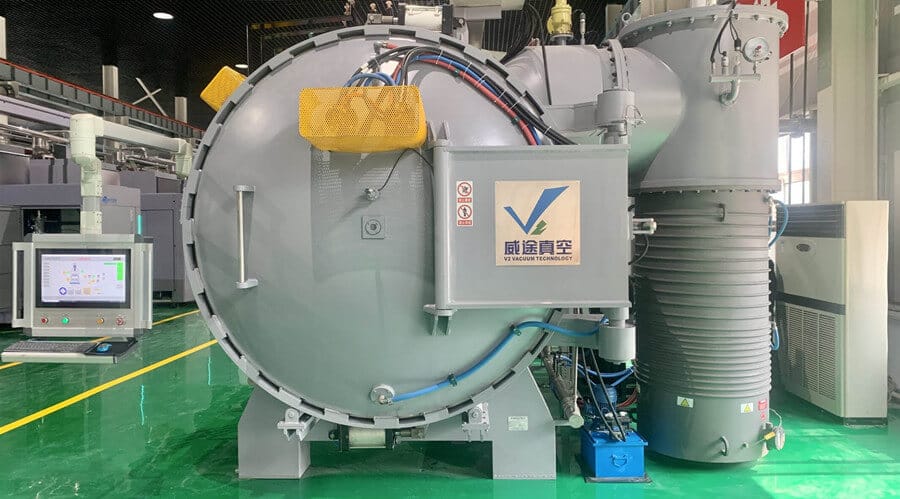
Vacuum brazing is a thermal joining process performed inside a sealed furnace under high vacuum conditions.
During the process:
Unlike traditional brazing methods, vacuum brazing does not require flux.
This eliminates many common issues associated with flux-based processes.
Aluminum is widely used in heat exchangers due to:
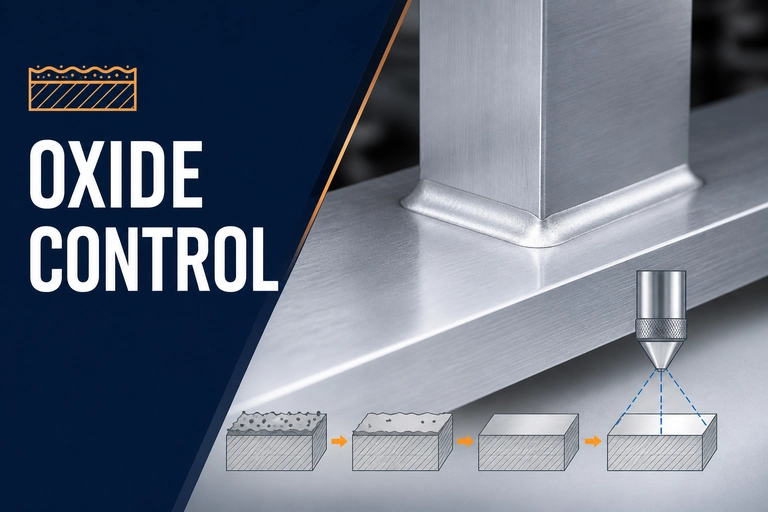
However, aluminum has a natural oxide layer (Al₂O₃) that is difficult to remove.
This oxide layer:
Vacuum brazing addresses this issue by:
This makes it one of the most reliable methods for aluminum heat exchanger manufacturing.
One of the most critical requirements for heat exchangers is leak tightness.
Even microscopic leaks can lead to:
Vacuum brazing produces:
This is especially important for:
For high-performance cooling applications, vacuum brazing is often the preferred solution.
Heat exchangers rely on efficient heat transfer between components.
Poor joints can create:
Vacuum brazing provides:
This improves:
For industries like data centers and EV systems, even small efficiency improvements can have significant impact.
Traditional brazing methods often rely on flux to remove oxide layers.
However, flux introduces several problems:
Vacuum brazing completely eliminates the need for flux.
This results in:
This is particularly critical for:
Modern heat exchangers are becoming more complex.
Typical designs include:
Vacuum brazing allows:
This makes it ideal for manufacturing:
Heat exchangers are often subjected to:
Vacuum brazing creates strong metallurgical joints that improve:
Compared with traditional methods, vacuum-brazed assemblies typically show better long-term performance.
Vacuum brazing is widely used in aluminum heat exchanger production across multiple industries:
More manufacturers are adopting vacuum brazing because it provides:
For OEM suppliers, this directly improves product quality and competitiveness.
For aluminum heat exchangers, joining quality is one of the most critical factors affecting performance and reliability.
Vacuum brazing offers the optimal combination of:
As industries continue to demand higher performance cooling solutions, vacuum brazing has become the standard process for modern heat exchanger manufacturing.
How diffusion pumps support vacuum brazing: jet design, cooling and...
Read MoreQualify tool steel austenitizing with grade-specific time and temperature limits,...
Read MoreControl aluminum vacuum brazing with compatible materials, joint design, cleaning,...
Read MoreVacuum Pressure Sintering Platform VMPE Vacuum Hot Press Furnace A...
Read MoreDouble-Chamber Vacuum Oil Quenching Furnace for Bright Hardening and Precision...
Read MoreVacuum Annealing Furnace for Precision Heat Treatment and Stress Relief...
Read More