What Is a Vacuum Furnace? Working Principle, Types and Industrial Applications
Learn what a vacuum furnace is, how it works, its common types, and industrial applications in heat treatment, brazing, and sintering for modern manufacturing.

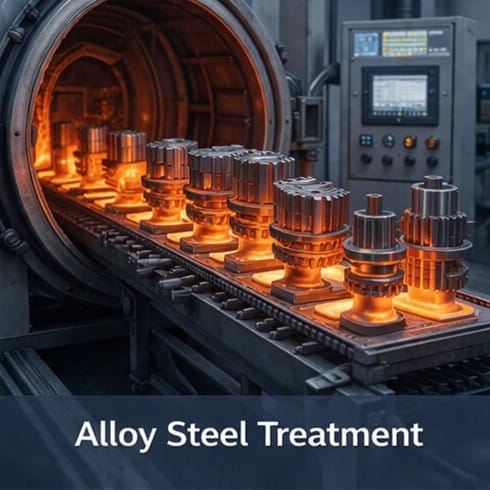
Vacuum quenching and tempering for alloy steel and tool steel components.

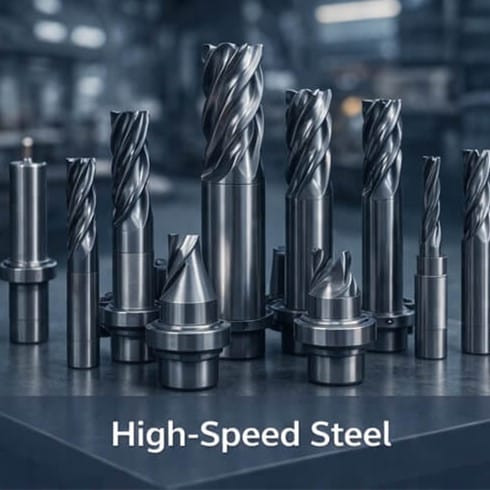
Bright hardening and tempering of cutting tools and wear-resistant steel parts.

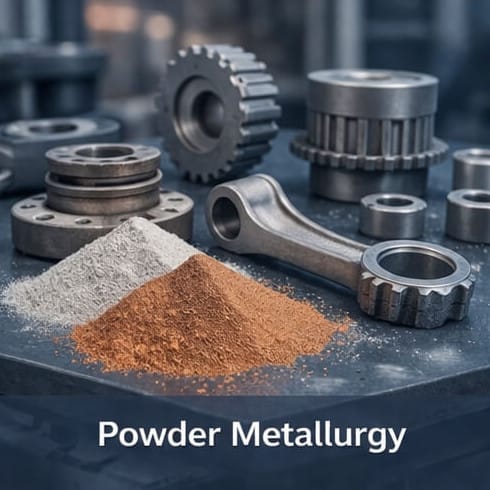
Vacuum sintering for metal powder structural parts and MIM components.

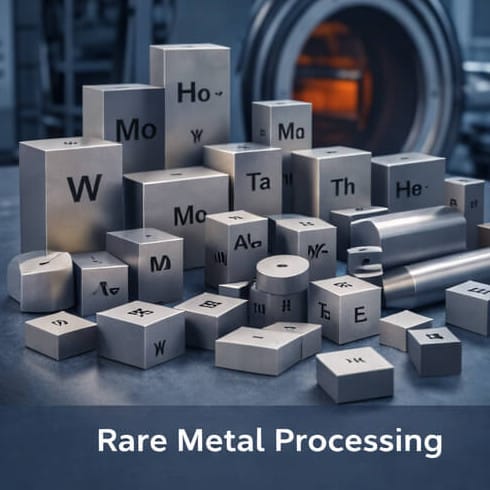
High-temperature sintering for tungsten, molybdenum, and refractory alloys.

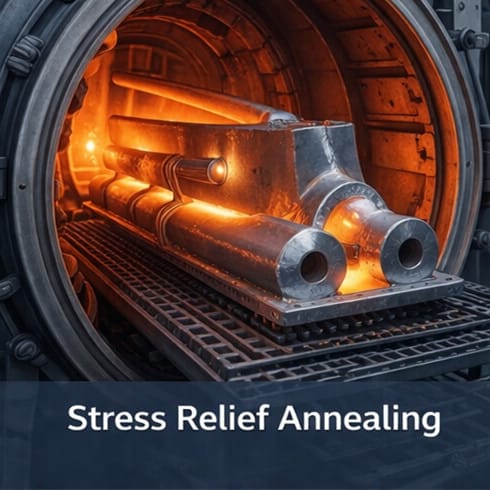
Annealing and stress removal for welded and formed metal workpieces.

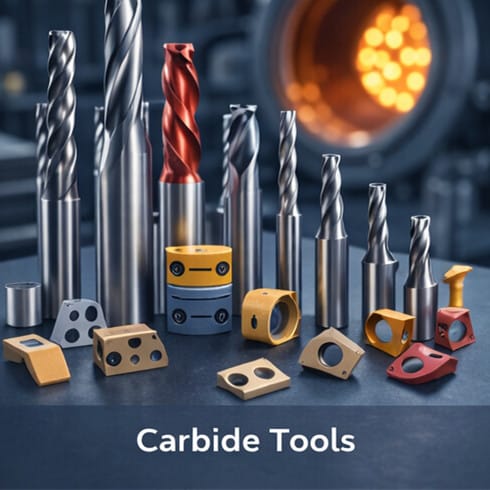
Vacuum brazing and sintering for hard alloy cutting tools and wear parts.
Years of experience in vacuum furnace design, manufacturing, and thermal processing solutions for diverse industrial applications.
Strict quality control and stable production processes ensure consistent product performance and long-term operational reliability.
Flexible OEM, ODM, and custom processing services tailored to customer drawings, materials, and technical requirements.

Learn what a vacuum furnace is, how it works, its common types, and industrial applications in heat treatment, brazing, and sintering for modern manufacturing.

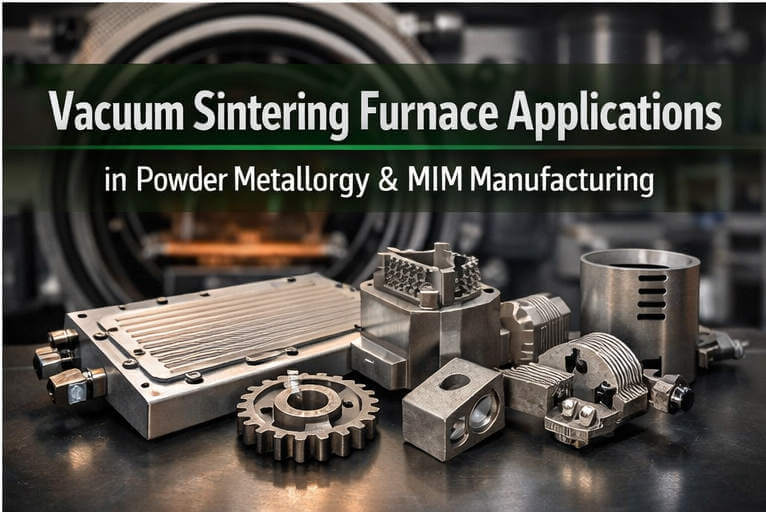
Learn how vacuum sintering furnaces improve density, dimensional accuracy, and mechanical strength in powder metallurgy and MIM manufacturing. Explore applications, processes, and key advantages for industrial production.

Discover what vacuum brazing is, how the process works, its key advantages, and common industrial applications in cooling systems, aerospace, and precision assemblies.

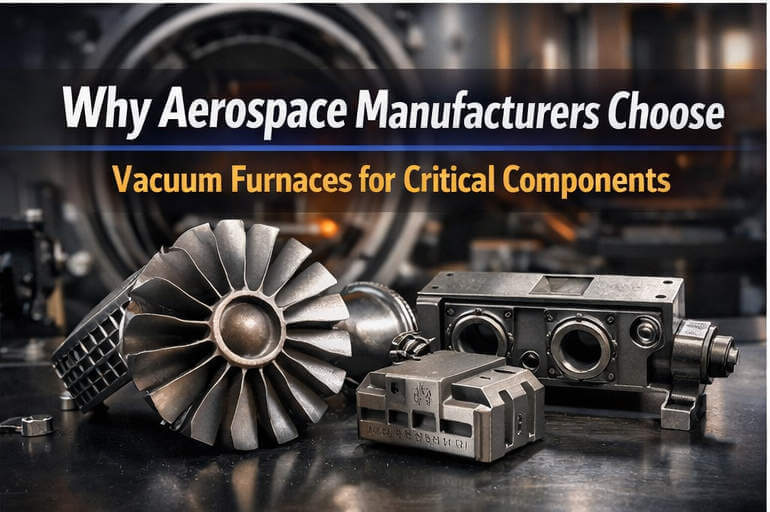
Discover why aerospace manufacturers rely on vacuum furnaces for turbine blades, titanium alloy structures, and critical engine components. Learn how vacuum heat treatment and brazing improve strength, fatigue life, and dimensional stability.