Qualify nickel-based superalloy vacuum brazing through joint, filler, surface, load,...
Read MoreWith the rapid expansion of AI computing, high-performance servers, and data centers, thermal management has become one of the most critical challenges in modern equipment manufacturing.
Traditional air cooling systems are no longer sufficient for high-density computing environments.
As a result, liquid cooling and high-efficiency heat exchanger assemblies are now widely adopted across multiple industries.
Typical applications include:
This growing demand has made vacuum furnace brazing technology one of the most important joining solutions in thermal management manufacturing.
For liquid cooling systems, the most critical requirement is leak-free and high-conductivity joints.
Even minor defects can cause:
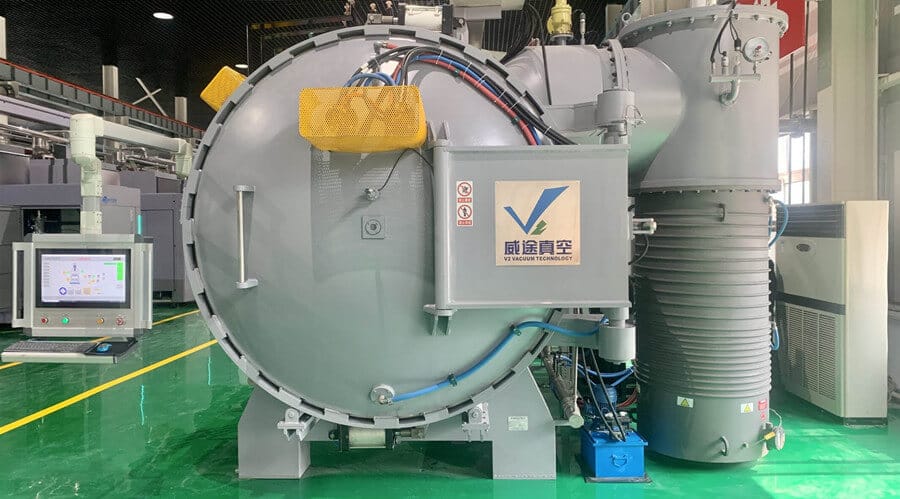
This is why many manufacturers choose vacuum brazing furnaces.
Vacuum brazing provides:
Compared with flame or flux brazing, vacuum brazing creates much cleaner internal flow paths, which is especially important for microchannel cold plates and liquid manifolds.
Vacuum brazing is widely used in advanced heat exchanger and liquid cooling module manufacturing.
One of the fastest-growing applications is AI server liquid cooling.
These systems require high-performance cold plates for:
Aluminum vacuum brazing is widely used for:
This ensures:
This is particularly important for high-density data center deployments.
Vacuum furnaces are also widely used for manufacturing:
These products often contain:
Vacuum brazing ensures strong and uniform bonding across multi-layer assemblies.
This significantly improves:
Modern communication systems such as:
also require high-efficiency thermal management.
Vacuum brazed aluminum cooling modules are widely used because they provide:
This is one of the fastest-growing industrial markets.
Beyond servers, vacuum brazing is also widely used for:
These components require excellent internal flow consistency.
Vacuum brazing ensures:
This makes it highly suitable for electric vehicle thermal systems.
Common compatible materials include:
More manufacturers are adopting vacuum furnace systems because they provide:
For OEM cooling system suppliers, this creates significant competitive advantages.
As industries continue moving toward:
vacuum brazing furnace solutions are becoming increasingly essential.
They provide the optimal balance of:
This is why they are widely used in modern cooling and heat exchanger manufacturing.
Qualify nickel-based superalloy vacuum brazing through joint, filler, surface, load,...
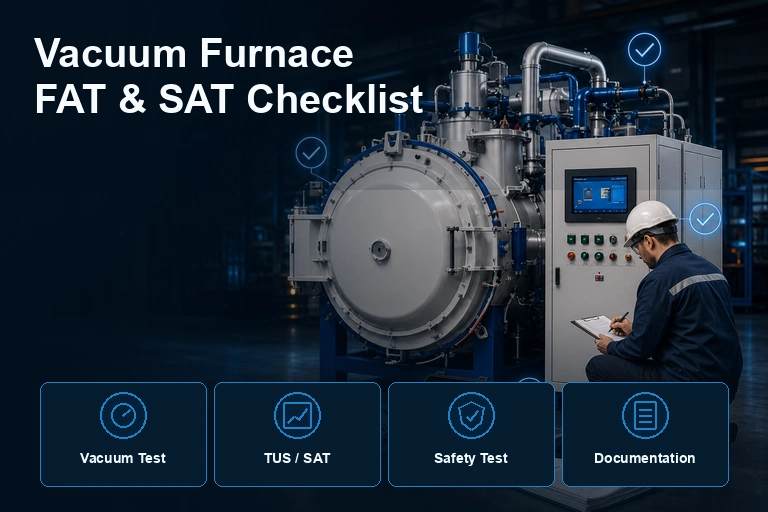
Read MoreUse this vacuum furnace FAT and SAT checklist to define...
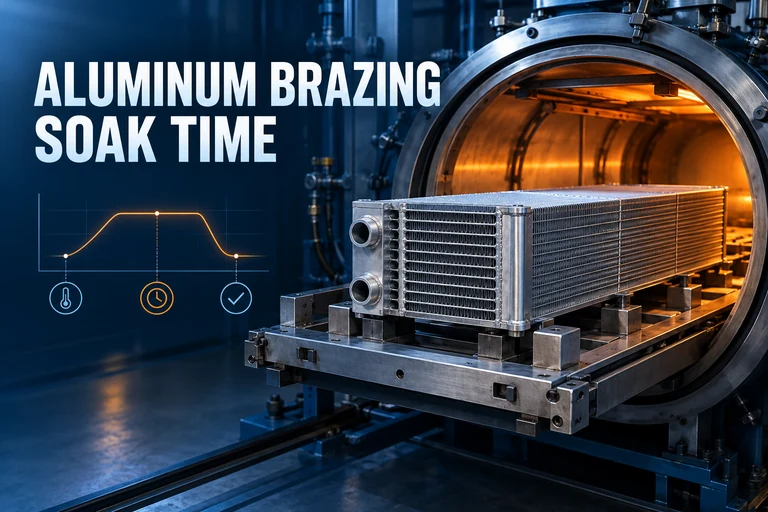
Read MoreSet aluminum vacuum brazing soak time from representative loaded thermocouples,...
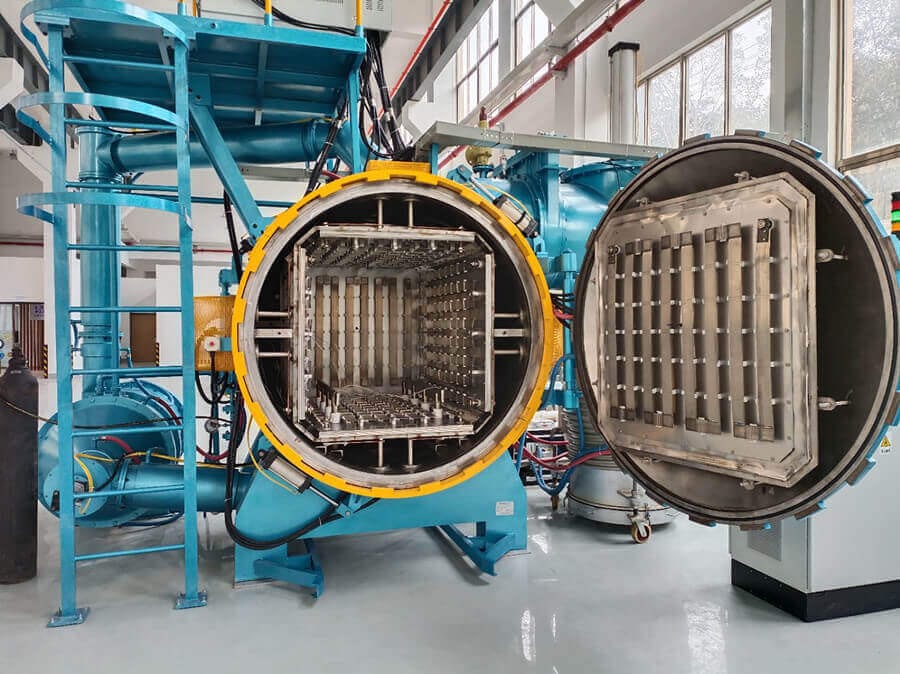
Read MoreHigh Vacuum Aluminum Brazing Furnace for Heat Exchanger and Cooling...
Read MoreMIM debinding + sintering MIM Vacuum Debinding & Sintering Furnace...
Read MoreVacuum Annealing Furnace for Precision Heat Treatment and Stress Relief...
Read More