What Is a Vacuum Furnace?
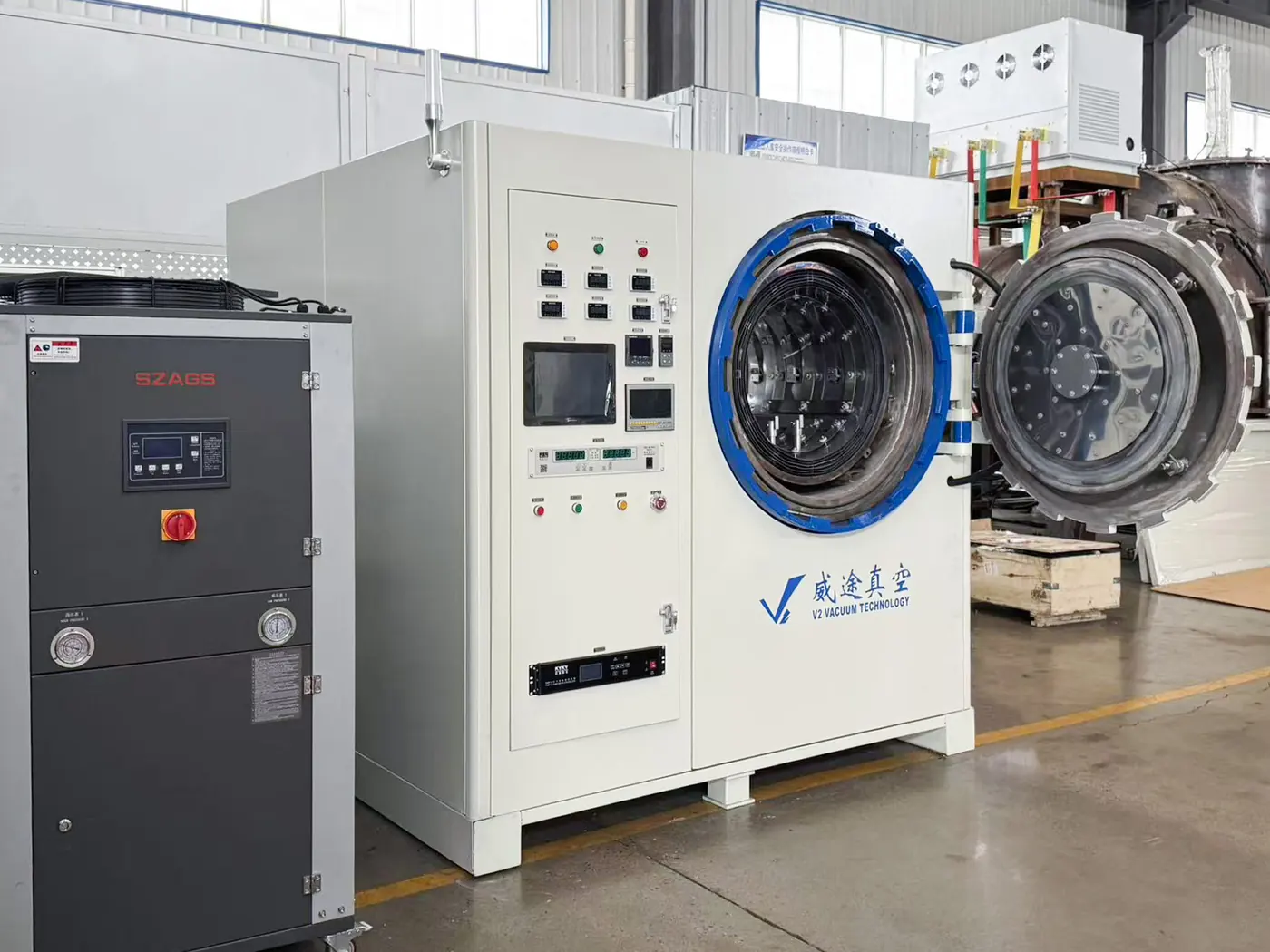
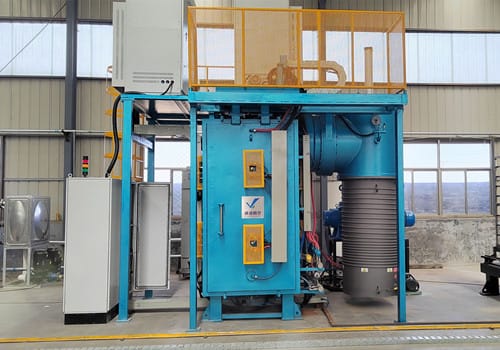
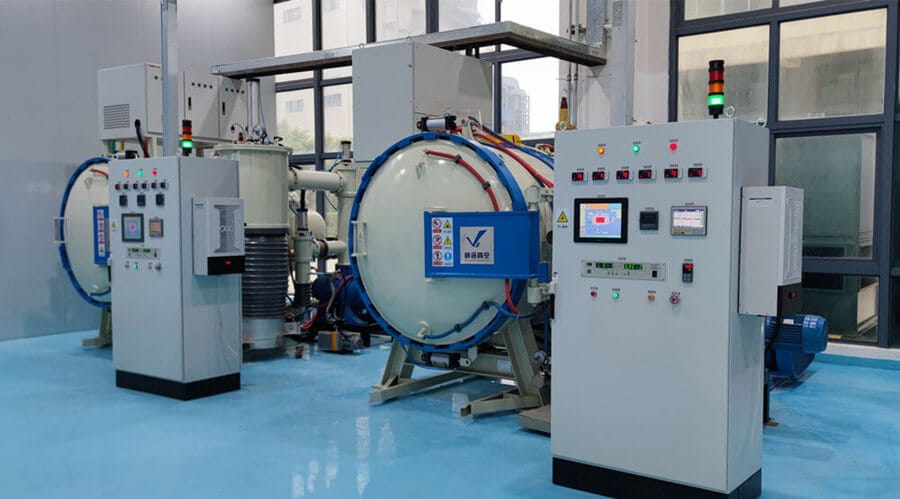
A vacuum furnace is a sealed thermal processing system designed to heat materials in a low-pressure, oxygen-free environment.
Unlike conventional atmosphere furnaces, the chamber is evacuated before heating, removing oxygen, moisture, and reactive gases that may affect the material surface and metallurgical properties.
This process helps prevent:
- oxidation
- decarburization
- discoloration
- contamination
- unwanted surface reactions
As a result, workpieces maintain a clean, bright, and high-quality surface finish after processing.
How Does a Vacuum Furnace Work?
The process generally includes five main stages.
1. Loading
Parts are placed into the chamber using trays, fixtures, or customized loading structures.
2. Vacuum Pumping
The chamber is evacuated using:
- rotary vane pump
- diffusion pump
- molecular pump
Typical vacuum levels may reach:
depending on the application.
3. Controlled Heating
Heating elements may include:
- graphite
- molybdenum
- nickel-chromium
Temperature can range from:
depending on material and process.
4. Holding
The workpiece is maintained at the target temperature for a specified period.
5. Cooling
Cooling options include:
- vacuum cooling
- gas cooling
- high-pressure gas quenching
- oil quenching
Common Types of Vacuum Furnaces
Typical systems include:
- vacuum heat treatment furnace
- vacuum annealing furnace
- vacuum tempering furnace
- vacuum brazing furnace
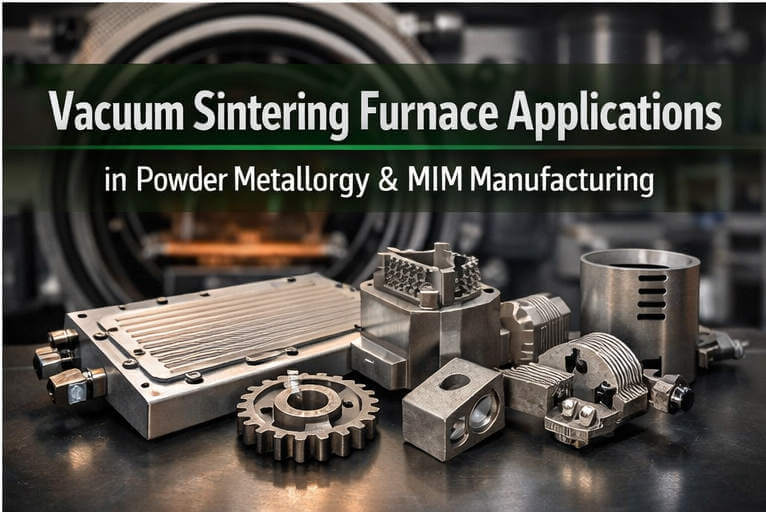
- vacuum sintering furnace
- additive manufacturing sintering furnace
Industrial Applications
Vacuum furnaces are widely used in:
- aerospace
- automotive manufacturing
- electronics
- advanced ceramics
- medical devices
- powder metallurgy
Final Thoughts
A vacuum furnace provides precise temperature control, oxidation-free processing, and excellent product consistency.
For industries requiring high-quality heat treatment and clean surface finishes, it remains one of the most reliable thermal processing technologies.