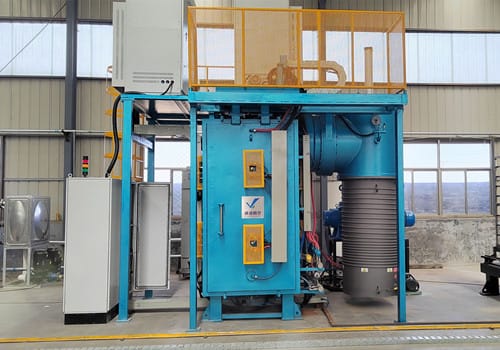
Why Vacuum Furnaces Matter in Modern Manufacturing
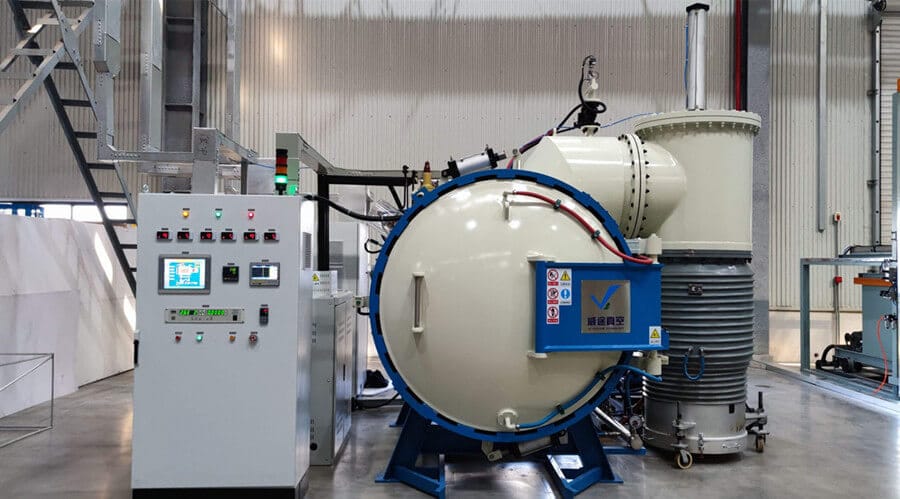
As industrial manufacturing moves toward higher precision, cleaner processing environments, and stricter material performance requirements, vacuum furnace technology has become a critical solution across multiple industries.
From aerospace turbine components to EV battery cooling plates, vacuum furnaces are now widely used in heat treatment, brazing, annealing, tempering, and sintering processes.
Compared with traditional atmosphere furnaces, vacuum systems provide:
- oxidation-free heating
- cleaner surface finish
- better metallurgical consistency
- lower deformation risk
- improved product repeatability
This is why more manufacturers are upgrading to vacuum furnace solutions for critical thermal processing workflows. Industry demand is especially strong in aerospace and EV manufacturing.
Core Applications of Vacuum Furnace Technology
1. Vacuum Heat Treatment
Heat treatment remains the largest application segment in the vacuum furnace market.
Typical processes include:
- vacuum quenching
- vacuum annealing
- vacuum tempering
- stress relieving
- bright hardening
These processes are widely used for:
- tool steel
- mold components
- aerospace alloy parts
- transmission gears
- bearings and shafts
Vacuum heat treatment significantly reduces oxidation and decarburization while improving hardness consistency.
2. Vacuum Brazing
Vacuum brazing is widely used where high-strength, leak-proof joints are required.
Common applications include:
- aluminum heat exchangers
- cold plates
- condensers
- evaporators
- stainless steel assemblies
- copper manifold joints
The vacuum environment eliminates the need for flux and minimizes contamination, which is especially important for:
- automotive cooling systems
- server liquid cooling modules
- aerospace thermal assemblies
This process is becoming increasingly important in EV thermal management systems.
3. Vacuum Sintering
Vacuum sintering is widely applied in:
- powder metallurgy
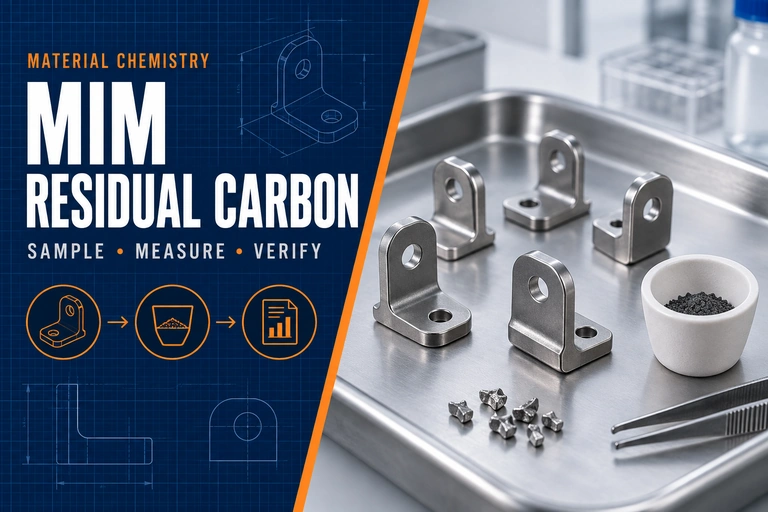
- MIM parts
- carbide tools
- ceramics
- rare metal materials
- 3D printing post-processing
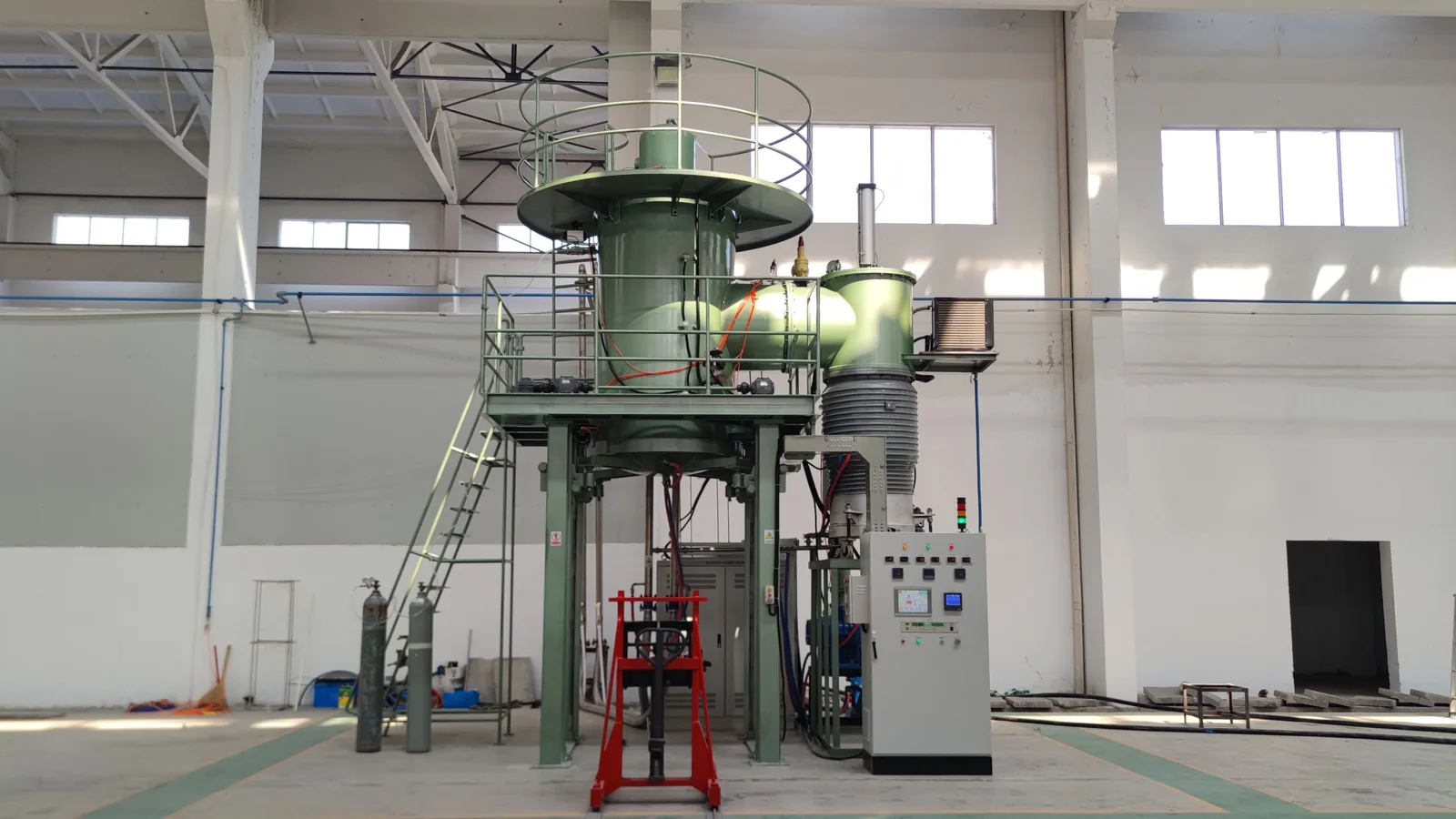
High-temperature furnaces can reach 2200°C, making them ideal for difficult-to-sinter materials.
Industry Applications Driving Market Growth
Aerospace
Vacuum furnaces are essential for:
- turbine blades
- titanium structural parts
- combustion chamber components
- honeycomb seals
Aerospace remains one of the fastest-growing segments.
Automotive & EV Systems
Modern automotive manufacturing increasingly relies on vacuum processing for:
- gears and shafts
- aluminum heat exchangers
- EV cooling plates
- EGR coolers
- motor components
Electronics & Semiconductor
Typical applications include:
- ceramic substrates
- heat sinks
- waveguides
- semiconductor metal parts
Vacuum processing ensures ultra-clean thermal cycles required by electronic components.
Why More Manufacturers Are Choosing Vacuum Furnace Solutions
Manufacturers are moving toward vacuum technology because it offers:
- higher product consistency
- lower scrap rate
- reduced post-cleaning cost
- automated production capability
- better surface quality
Continuous and automated systems are especially growing in high-volume sectors.
Final Thoughts
Whether for heat treatment, vacuum brazing, or high-temperature sintering, vacuum furnace technology has become indispensable in advanced manufacturing.
As industries demand better precision, automation, and clean processing, vacuum furnaces will continue to play a key role in future industrial upgrades.