
Qualify vacuum oil quenching load immersion through transfer control, basket...
Read MoreIn the aerospace industry, component reliability is directly linked to flight safety, service life, and fuel efficiency.
Critical aerospace parts must operate under extremely harsh conditions, including:
Typical components include:
Because these parts are often made from titanium alloys, nickel-based superalloys, and cobalt-based alloys, conventional heat treatment methods are no longer sufficient.
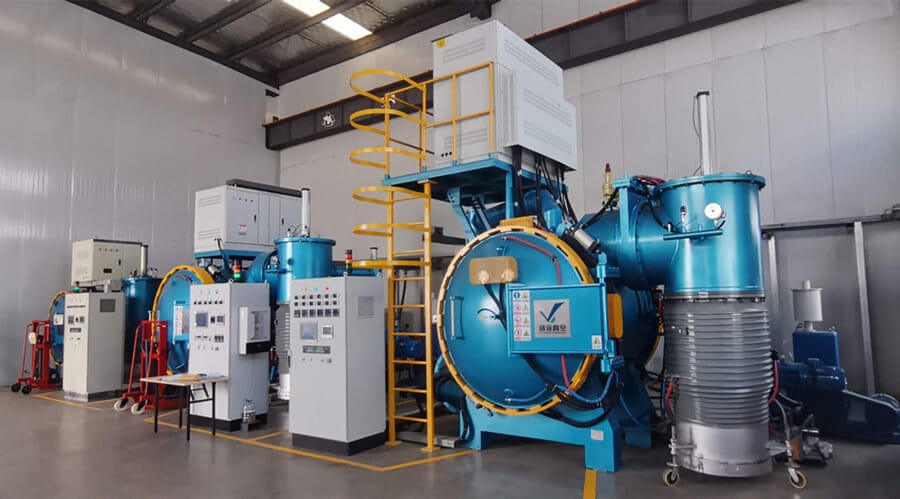
This is why more aerospace manufacturers choose vacuum furnaces as the standard solution for precision thermal processing. Aerospace vacuum heat treatment is widely used for turbine blades, landing gear, and structural parts.
Vacuum furnaces create a highly controlled environment by removing oxygen, moisture, and reactive gases from the chamber.
This prevents:
For aerospace-grade materials, even minor contamination can affect fatigue resistance and dimensional stability.
This is especially critical for:
Vacuum processing is specifically recognized as essential for high-performance aerospace alloys.
Turbine blades are among the most demanding components in aerospace manufacturing.
They must maintain performance at temperatures often exceeding 1000°C.
These parts are typically made from:
Vacuum heat treatment helps optimize:
This directly extends engine service life.
Precision cast turbine blades are one of the most common aerospace applications for vacuum furnaces.
Titanium alloys are widely used in aerospace due to their excellent strength-to-weight ratio.
Common applications include:
However, titanium is extremely sensitive to oxygen at high temperatures.
Traditional atmosphere furnaces can easily cause surface contamination.
Vacuum heat treatment prevents this issue and helps improve:
Titanium alloy annealing and aging in vacuum is standard in aerospace manufacturing.
In addition to heat treatment, vacuum furnaces are widely used for aerospace brazing.
Typical applications include:
Vacuum brazing provides:
This is especially important for aerospace cooling systems and fluid control assemblies.
Dimensional stability is one of the most important aerospace requirements.
Critical components such as:
must meet extremely tight tolerances.
Vacuum furnaces provide:
This minimizes distortion after thermal processing.
Vacuum furnaces are widely used for:
More aerospace manufacturers are switching to vacuum systems because they provide:
For aerospace suppliers and OEMs, this creates significant quality and reliability advantages.
For aerospace critical components, material grade alone is not enough.
The final performance depends heavily on the thermal process.
Vacuum furnaces deliver the optimal combination of:
This is why they have become the preferred thermal processing solution for modern aerospace manufacturing.
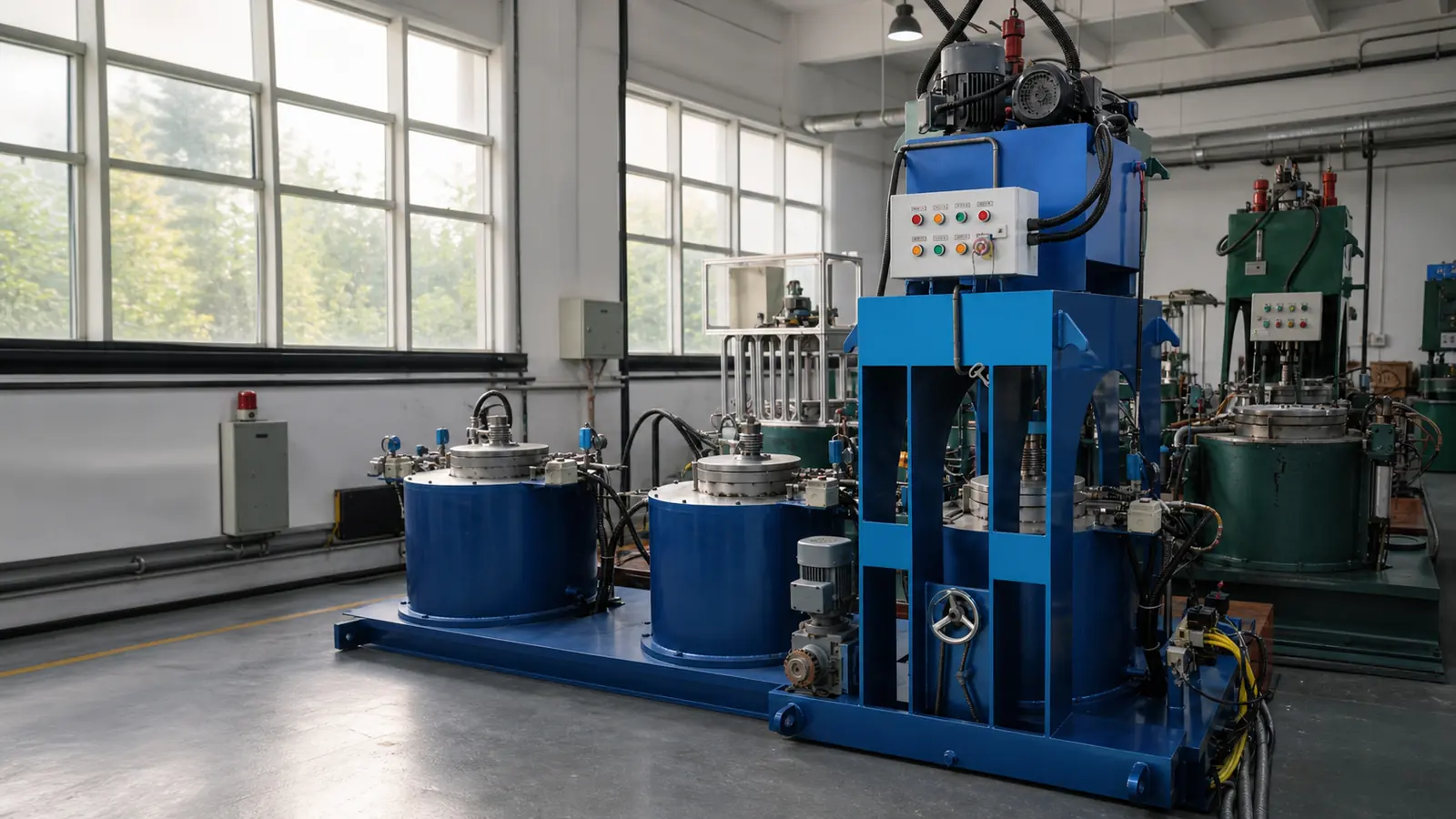
Qualify vacuum oil quenching load immersion through transfer control, basket...
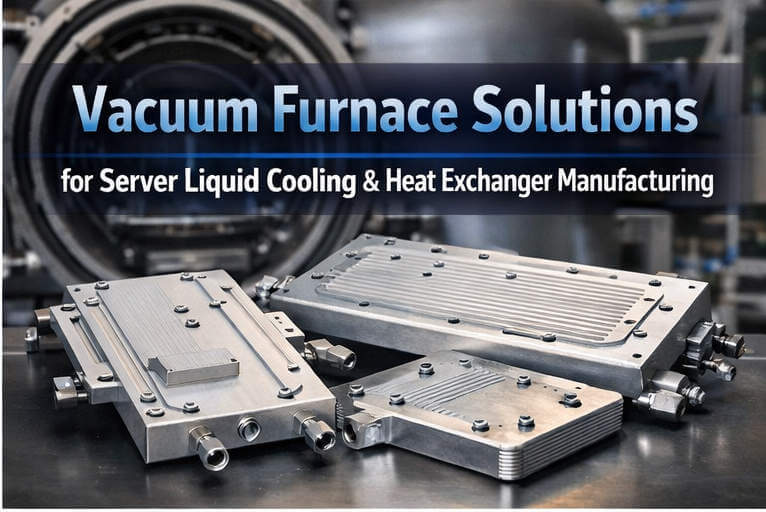
Read MoreDiscover how vacuum brazing furnaces support server liquid cooling systems,...
Read MoreControl continuous vacuum brazing changeovers through carrier identity, fixture condition,...
Read More3D Printing / Additive Manufacturing Sintering Furnace for Precision Post-Processing...
Read MoreVacuum Pressure Sintering Platform VMPE Vacuum Hot Press Furnace A...
Read MoreVacuum Tempering Furnace for Precision Heat Treatment and Stress Relief...
Read More