Effective case depth and hardness
State the target ECD, surface/core hardness, tolerance, test method and drawing or standard that governs acceptance.
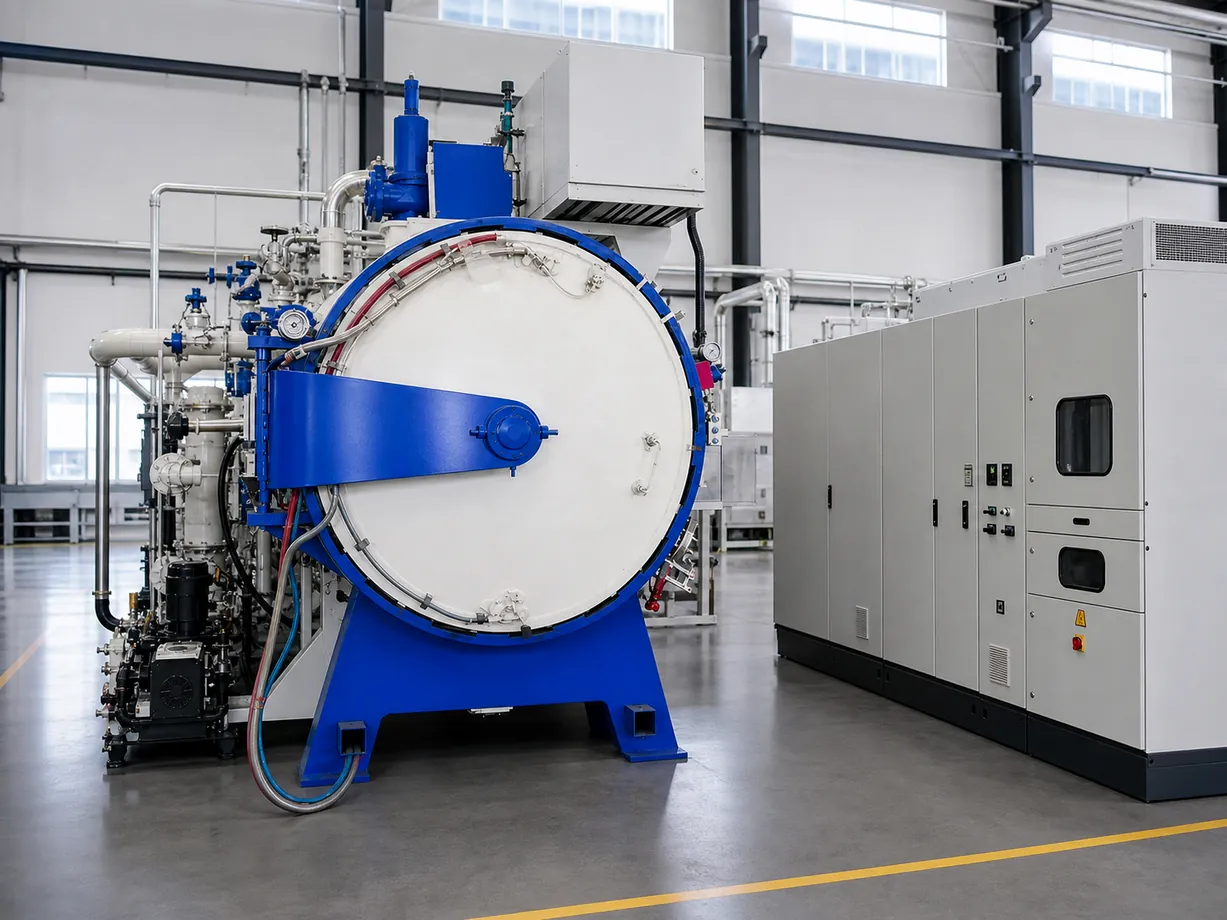
Configure the furnace around the alloy, effective case-depth target, load geometry, allowable distortion and production rate—then select high-pressure gas or double-chamber oil quenching to match the hardening duty.
Application engineering
SYNHTE connects the case-depth target, workload, dimensional limits and production rate with the chamber, heating system and quench route.
State the target ECD, surface/core hardness, tolerance, test method and drawing or standard that governs acceptance.
Identify difficult features, representative sampling locations and the fixture pattern so recipe development reflects the real batch—not a single coupon.
Mark critical dimensions, permissible movement and downstream finishing. These limits influence fixture strategy, transfer and quench selection.
Provide batch mass, usable envelope, annual or shift output, preferred gas or oil route, available gases, cooling water and plant power.
Quench-route decision
Gas and oil quenching serve different production needs. SYNHTE matches the route to alloy hardenability, part geometry, load density, cleanliness goals and dimensional requirements.
A clean, programmable cooling route for suitable alloys and loads, especially where handling cleanliness and distortion control are important.
A separate oil-quench chamber for steels, sections or larger workloads that require a more severe cooling route.
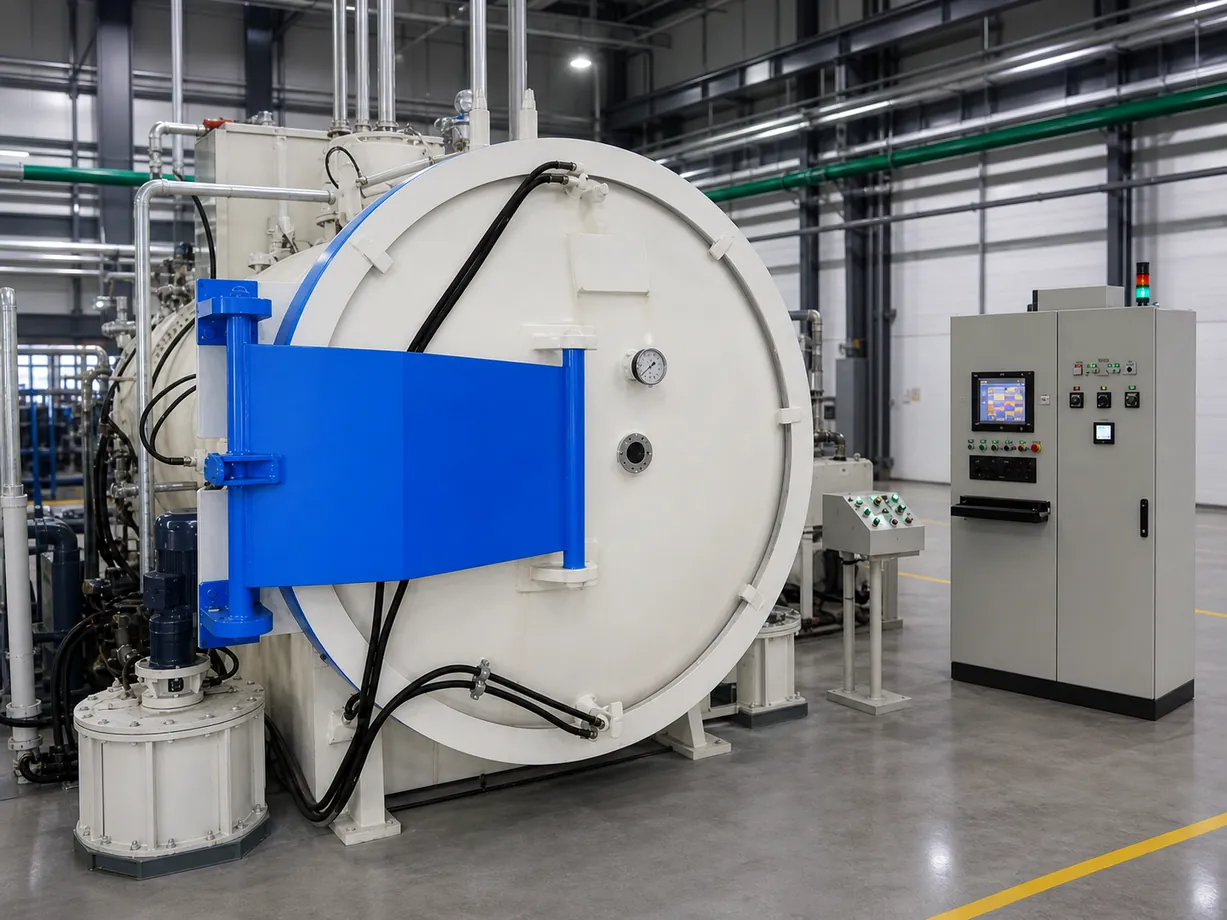
SYNHTE evaluates alloy hardenability, maximum section, load arrangement, fixture shadowing, dimensional tolerance and metallurgical targets together, then includes representative trial criteria in the project quality plan.
Case-profile control
Effective case depth is the result of a coordinated material, boost–diffusion, loading and quench strategy. The furnace supplies the controlled environment; the acceptance method proves the outcome.
Confirm steel grade, initial condition, ECD definition, hardness threshold, surface-carbon objective and required test standard.
Review blind holes, splines, slots, dense packing, section changes, fixtures and representative test-piece positions.
Coordinate temperature, low-pressure gas dosing and diffusion stages around the target profile. Cycle values remain recipe-specific.
Evaluate transfer, cooling pressure or oil parameters, fixture support and tempering boundary against hardness and distortion requirements.
Use agreed sampling points, hardness traverse and—where required—metallography and dimensional inspection to qualify the result.
Furnace performance
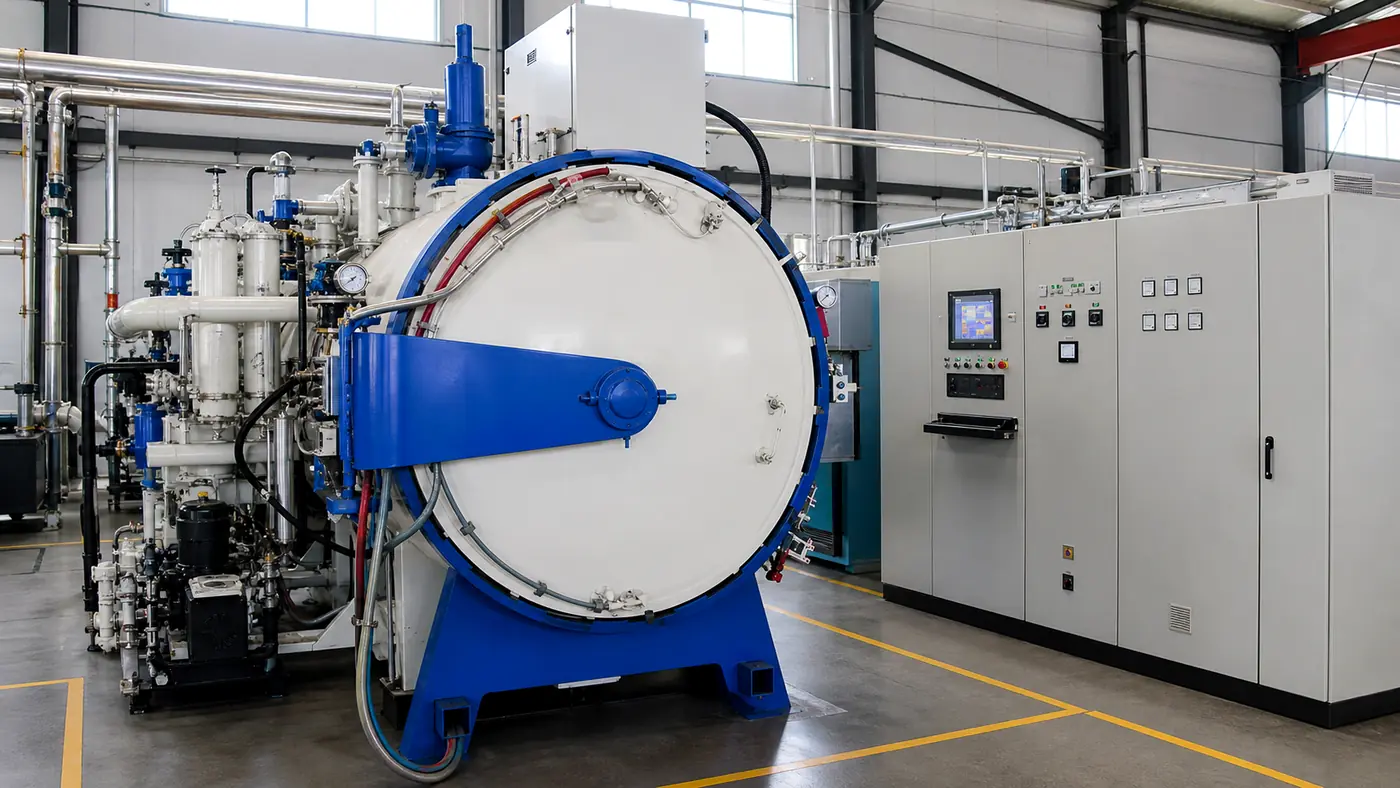
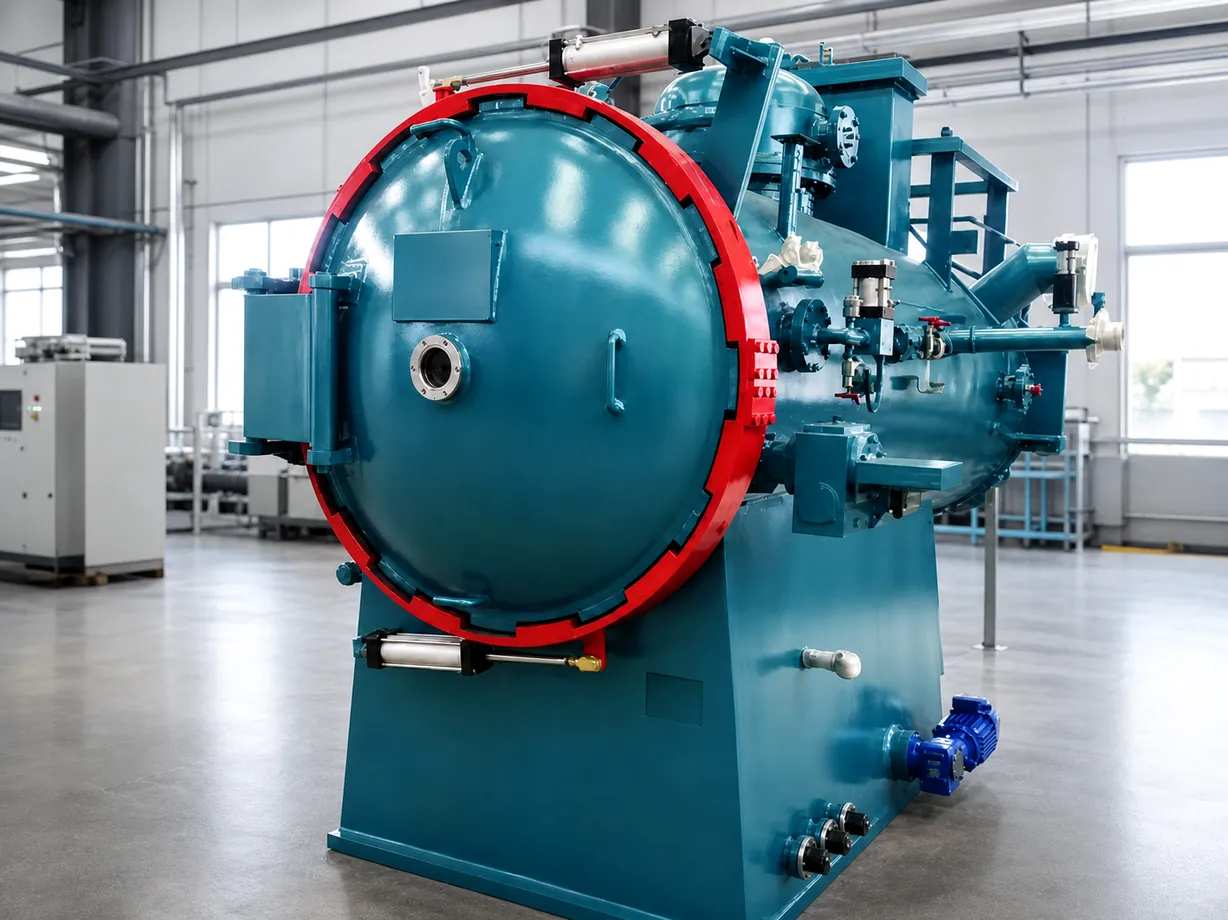
The FZSC2 platform combines high-temperature capability, controlled low-pressure carburizing, vacuum performance and automatic recipe control in a scalable production system.
Swipe horizontally to view all columns
| Parameter | FZSC2 capability | Application value |
|---|---|---|
| Maximum operating temperature | Up to 1320 °C | Supports elevated-temperature LPC and integrated heat-treatment cycles. |
| Temperature uniformity | ±5 °C | Promotes consistent thermal conditions throughout the useful working zone. |
| Ultimate vacuum option | ≤4 × 10⁻³ Pa | Supports clean low-pressure processing and controlled surface quality. |
| Pressure-rise rate | <0.67 Pa/h | Supports chamber integrity and stable process conditions. |
| Low-pressure carburizing range | 300–2000 Pa | Enables programmed enrichment and diffusion stages for the required case profile. |
| Control modes | Automatic / manual | Combines production recipe automation with flexible setup and maintenance access. |
SYNHTE integrates these capabilities with the selected working zone, workload and quench system for a complete production solution.
Swipe horizontally to compare all model columns
| Model | Quench route | Working chamber | Loading capacity | Heating power |
|---|---|---|---|---|
| FZSC2-60 | Gas or oil | 600 × 400 × 400 mm | 150 kg | 60 kW |
| FZSC2-80 | Gas or oil | 750 × 500 × 500 mm | 300 kg | 80 kW |
| FZSC2-120 | Gas or oil | 900 × 600 × 600 mm | 500 kg | 120 kW |
| FZSC2-220 | Gas or oil | 1200 × 800 × 800 mm | 1000 kg | 220 kW |
| FZSC2-300 | Oil-quench route | 1500 × 1500 × 800 mm | 5000 kg | 300 kW |
Five platform sizes cover production loads from 150 to 5000 kg. SYNHTE matches chamber size and quench configuration to the submitted part and batch profile.
Representative applications
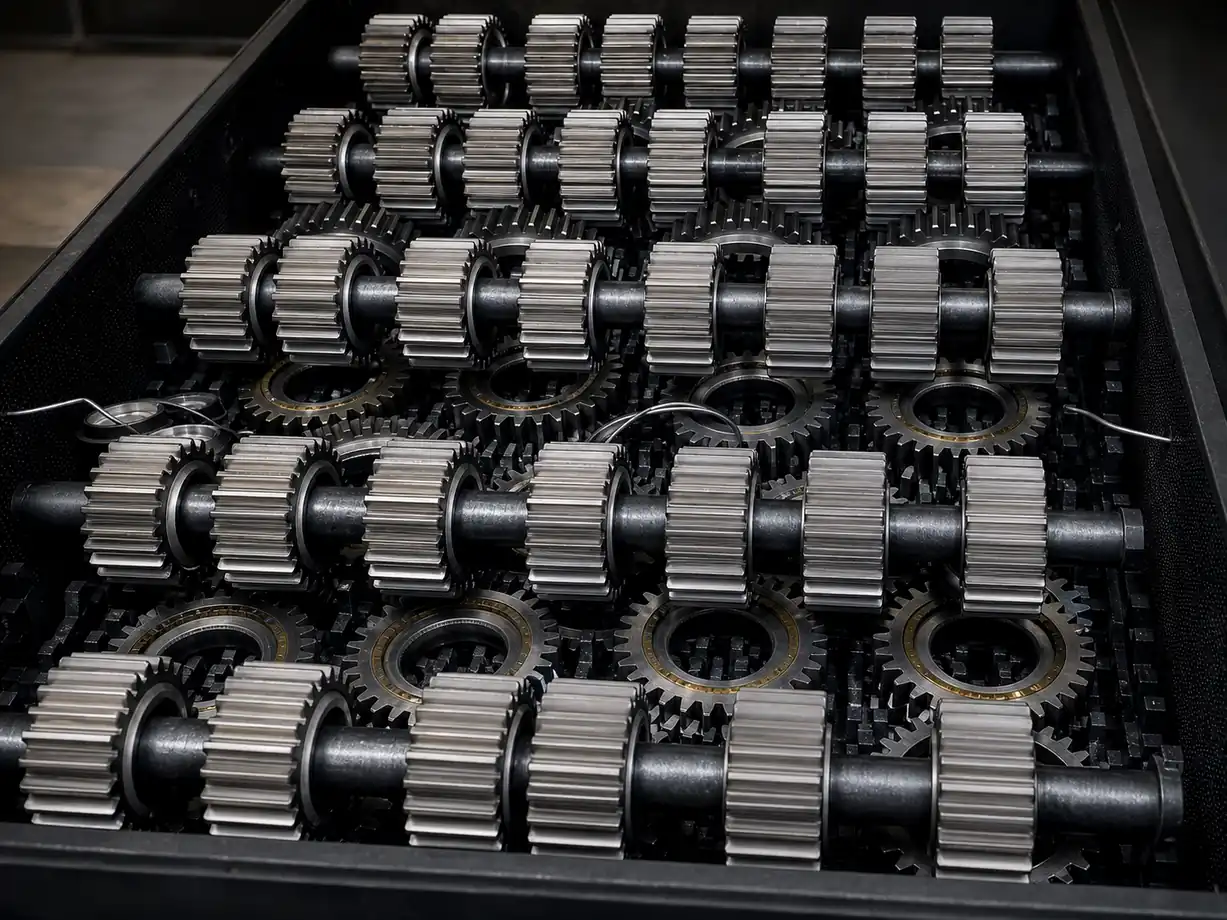
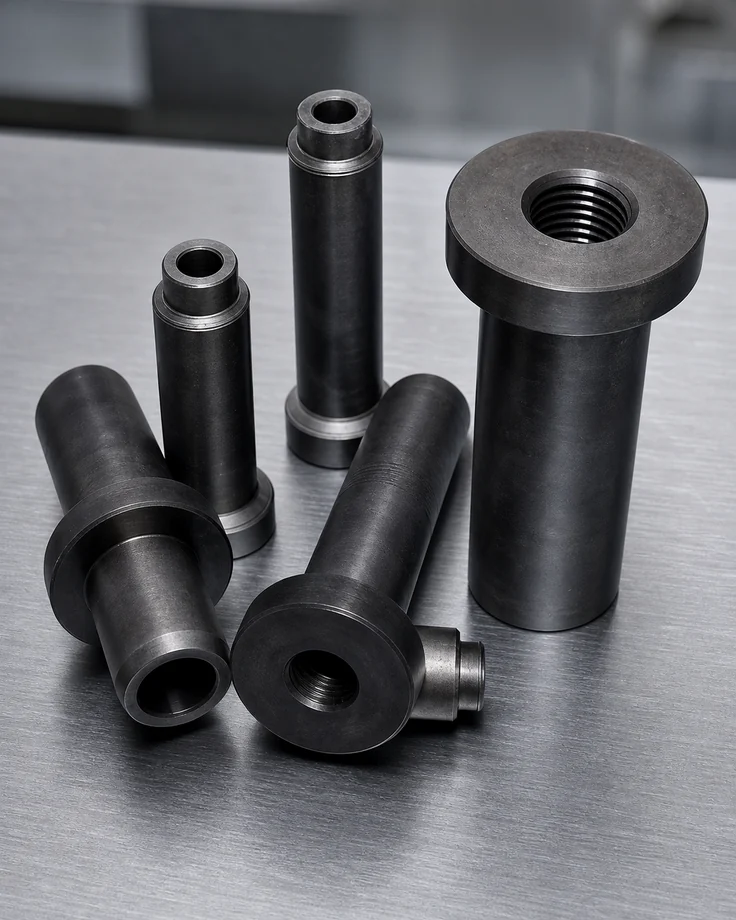
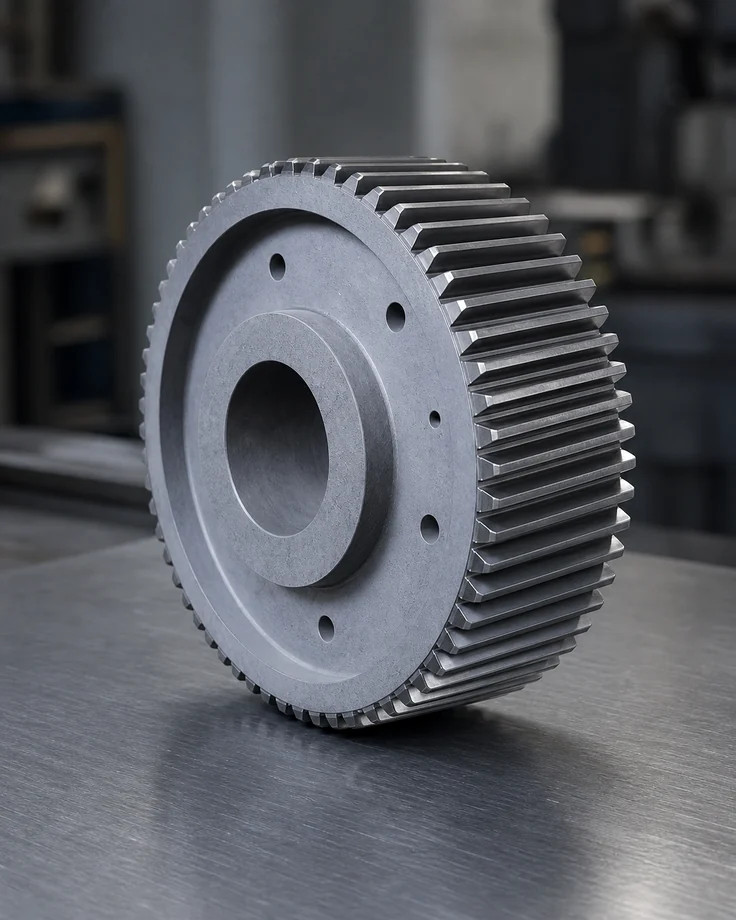
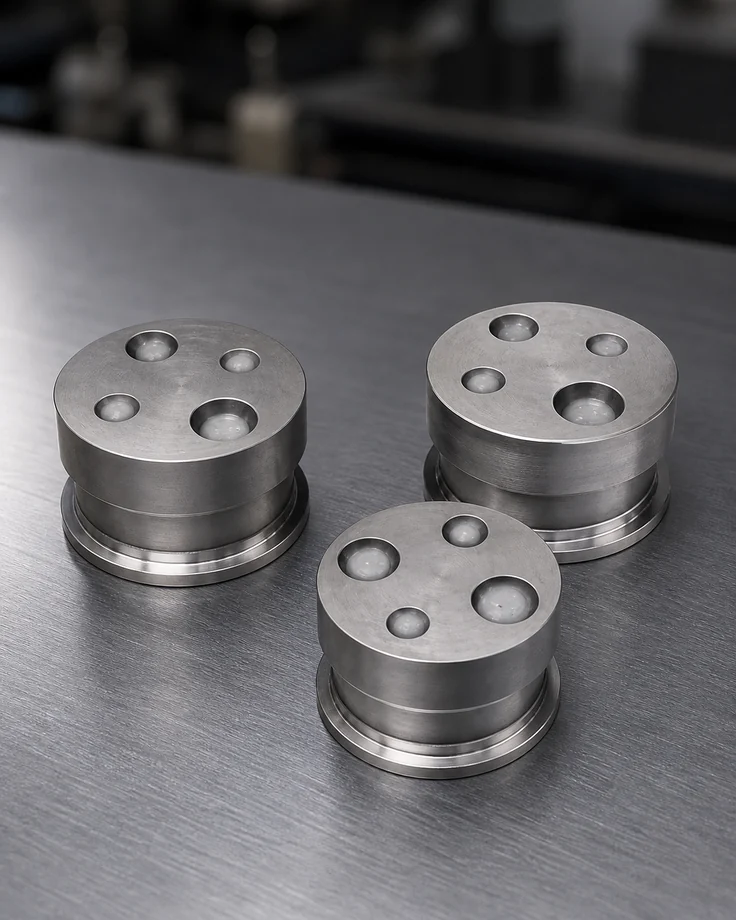
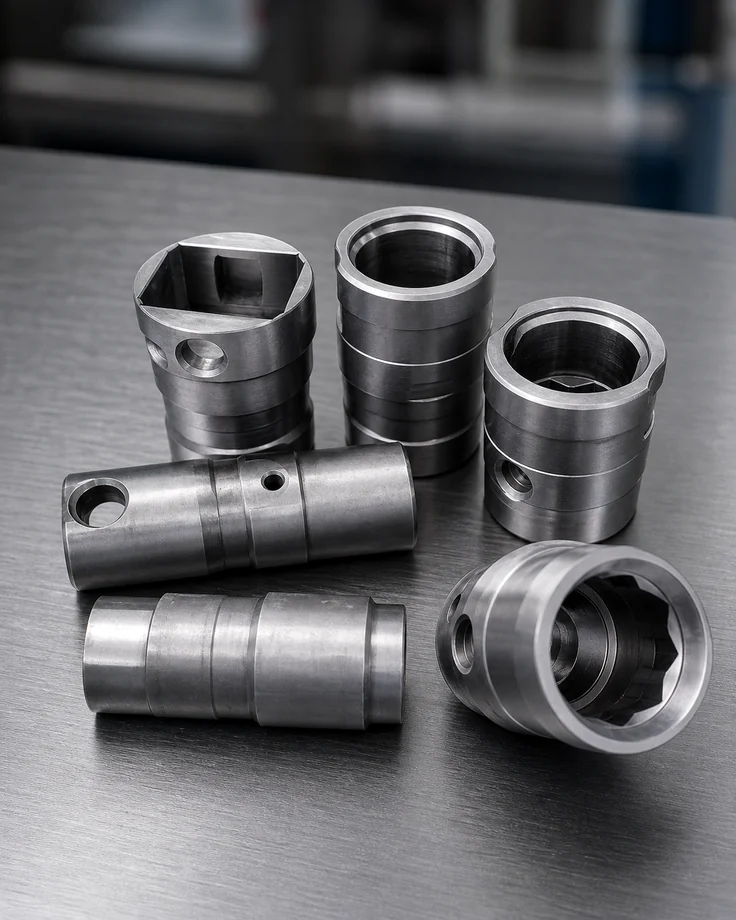
The process can be configured for deep holes, splines, dense gear loads and critical dimensions. Representative drawings help the engineering team optimize carbon access, loading and cooling strategy.
FAT / SAT planning
The project quality plan connects equipment tests, representative workload trials, process records and commissioning support from FAT through SAT.
Alloy, ECD, hardness, profile, distortion points, surface condition, sample locations and governing method.
Useful-zone uniformity, vacuum and pressure-rise test, quench configuration, controls, alarms and safety checks.
Agreed fixtures and samples, recipe record, hardness traverse, metallography where required and dimensional results.
Utilities, consumables, documentation, training, installation interfaces, SAT activities and project sign-off.
Engineering RFQ
Your part data turns the model range into a production-ready proposal. With drawings and quality targets, SYNHTE can match the useful zone, load support, recipe development, quench route, instrumentation and validation plan.
Technical questions
It is developed through the steel grade, carburizing temperature, gas dosing, boost and diffusion stages, workload arrangement and quench response. Verification normally uses the agreed hardness traverse and, where required, metallographic examination.
SYNHTE compares alloy hardenability, maximum section, load density, cleanliness, cooling response and allowable distortion, then validates the selected route with representative parts or samples.
Provide material, drawings, target ECD and hardness, test method, critical dimensions, batch envelope and mass, throughput, preferred quench route, utilities and acceptance standard.
The project quality plan combines furnace capability checks with process qualification, including test methods, instruments, sample loads, inspection locations and acceptance criteria.
Send the part drawing, alloy, target profile, batch definition and dimensional limits. The engineering discussion can then focus on a relevant furnace configuration instead of a generic model list.
Download the current reference document or compare all available SYNHTE technical resources.