info@synthe-corp.com

+86-155-3785-7393

Industry Knowledge

How Vacuum Brazing Improves Aluminum Heat Exchanger Performance and Reliability

Why Heat Exchanger Performance Depends on Brazing Quality

In modern industrial systems, heat exchangers are critical components responsible for transferring heat efficiently and maintaining system stability.

They are widely used in:

  • automotive cooling systems
  • EV battery thermal management
  • HVAC systems
  • industrial refrigeration
  • data center liquid cooling
  • power electronics

In these applications, performance is not only determined by design, but also by joining quality between components.

Aluminum heat exchangers are typically assembled from:

  • fins
  • tubes
  • headers
  • manifolds
  • plates

These parts must be joined with:

  • high strength
  • excellent sealing
  • minimal thermal resistance

This is where vacuum brazing technology plays a decisive role.

What Is Vacuum Brazing for Aluminum Heat Exchangers?

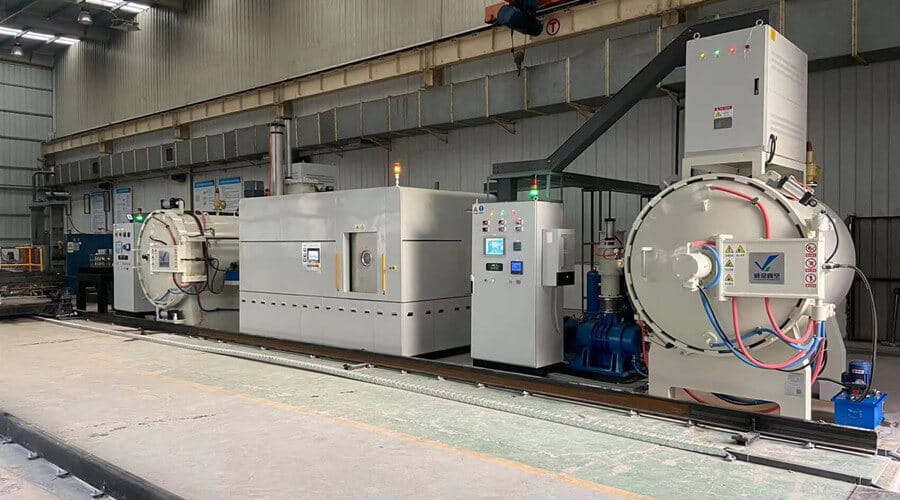
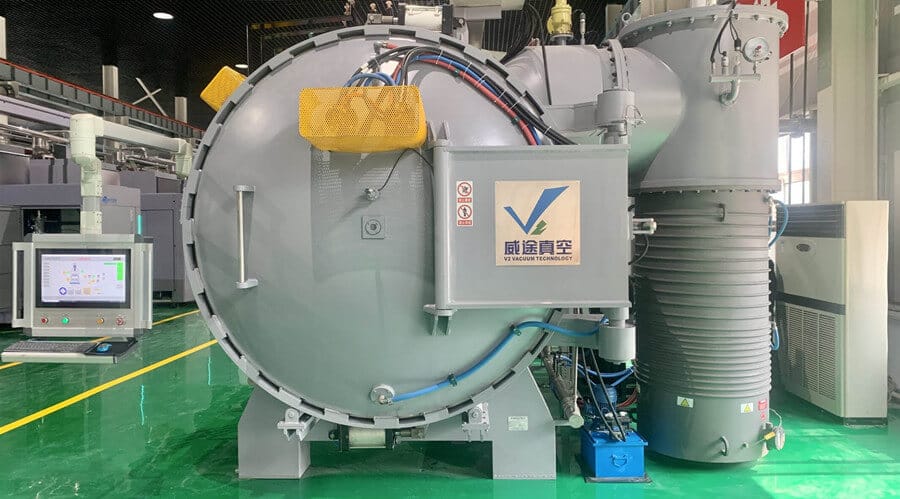
Vacuum brazing is a thermal joining process performed inside a sealed furnace under high vacuum conditions.

During the process:

  • the base material is heated to a controlled temperature
  • filler metal melts and flows into joints
  • bonding occurs through metallurgical interaction
  • the assembly cools under controlled conditions

Unlike traditional brazing methods, vacuum brazing does not require flux.

This eliminates many common issues associated with flux-based processes.

Why Aluminum Requires Vacuum Brazing

Aluminum is widely used in heat exchangers due to:

  • low weight
  • high thermal conductivity
  • corrosion resistance
  • good formability

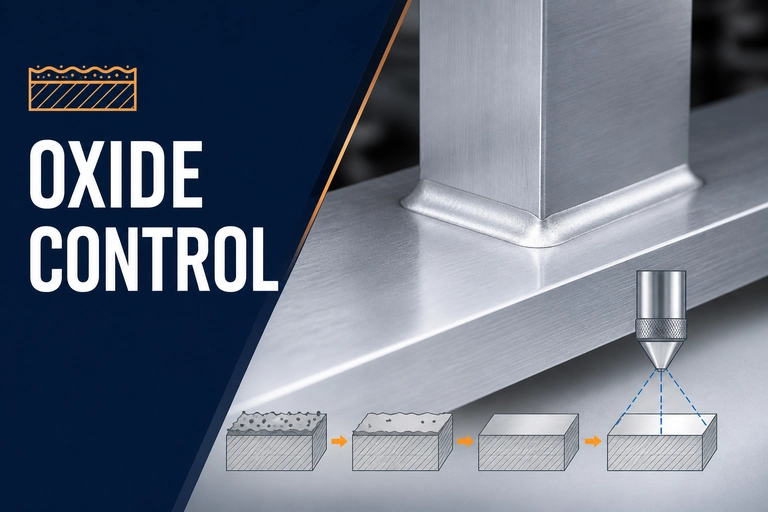
However, aluminum has a natural oxide layer (Al₂O₃) that is difficult to remove.

This oxide layer:

  • prevents proper wetting of filler metal
  • reduces joint strength
  • affects sealing performance

Vacuum brazing addresses this issue by:

  • removing oxygen from the environment
  • reducing oxide formation
  • enabling clean surface bonding

This makes it one of the most reliable methods for aluminum heat exchanger manufacturing.

1. Ensures Leak-Tight Joints for Cooling Systems

One of the most critical requirements for heat exchangers is leak tightness.

Even microscopic leaks can lead to:

  • coolant loss
  • pressure drop
  • system failure
  • reduced cooling efficiency

Vacuum brazing produces:

  • uniform joint distribution
  • void-free bonding
  • strong capillary action
  • high sealing integrity

This is especially important for:

  • EV battery cooling plates
  • server liquid cooling systems
  • HVAC condensers

For high-performance cooling applications, vacuum brazing is often the preferred solution.

2. Improves Thermal Conductivity and Efficiency

Heat exchangers rely on efficient heat transfer between components.

Poor joints can create:

  • thermal resistance
  • uneven heat distribution
  • localized overheating

Vacuum brazing provides:

  • clean joint interfaces
  • full contact between surfaces
  • minimal oxidation
  • consistent metallurgical bonding

This improves:

  • overall heat transfer efficiency
  • system stability
  • energy efficiency

For industries like data centers and EV systems, even small efficiency improvements can have significant impact.

3. Eliminates Flux Residue and Internal Contamination

Traditional brazing methods often rely on flux to remove oxide layers.

However, flux introduces several problems:

  • residue inside flow channels
  • corrosion risk
  • blockage in microchannels
  • additional cleaning requirements

Vacuum brazing completely eliminates the need for flux.

This results in:

  • clean internal flow paths
  • improved long-term reliability
  • reduced maintenance requirements

This is particularly critical for:

  • microchannel heat exchangers
  • liquid cooling cold plates
  • precision fluid systems

4. Supports Complex Multi-Layer Heat Exchanger Structures

Modern heat exchangers are becoming more complex.

Typical designs include:

  • plate-fin structures
  • stacked aluminum layers
  • integrated manifolds
  • microchannel systems

Vacuum brazing allows:

  • simultaneous joining of multiple components
  • uniform heating across the entire assembly
  • consistent bonding across complex geometries

This makes it ideal for manufacturing:

  • compact heat exchangers
  • high-density cooling modules
  • advanced thermal systems

5. Enhances Structural Strength and Durability

Heat exchangers are often subjected to:

  • pressure fluctuations
  • thermal cycling
  • vibration
  • long-term operation

Vacuum brazing creates strong metallurgical joints that improve:

  • mechanical strength
  • fatigue resistance
  • vibration resistance
  • service life

Compared with traditional methods, vacuum-brazed assemblies typically show better long-term performance.

Typical Applications

Vacuum brazing is widely used in aluminum heat exchanger production across multiple industries:

Automotive & EV

  • radiators
  • intercoolers
  • battery cooling plates
  • EGR coolers

HVAC & Refrigeration

  • condensers
  • evaporators
  • heat pump exchangers

Data Centers & Electronics

  • cold plates
  • liquid cooling modules
  • server cooling manifolds

Industrial Equipment

  • oil coolers
  • compressor heat exchangers
  • hydraulic cooling systems

Why Manufacturers Prefer Vacuum Brazing Furnaces

More manufacturers are adopting vacuum brazing because it provides:

  • consistent joint quality
  • high production reliability
  • reduced defect rates
  • clean processing environment
  • suitability for automated production

For OEM suppliers, this directly improves product quality and competitiveness.

Final Thoughts

For aluminum heat exchangers, joining quality is one of the most critical factors affecting performance and reliability.

Vacuum brazing offers the optimal combination of:

  • leak-tight sealing
  • high thermal efficiency
  • clean internal structure
  • strong metallurgical bonding
  • long service life

As industries continue to demand higher performance cooling solutions, vacuum brazing has become the standard process for modern heat exchanger manufacturing.

Have questions about vacuum brazing, sintering, or heat treatment processes? Contact our engineers through the inquiry form below.

Related Articles

Related products

Contact Us

15+ Years Industrial Experience

Annual output 200+

CE & ISO Certified

Reply within 12 hours

Professional technical support

Free consultation service