
Vacuum Brazing Base Metal Erosion: Protecting Thin Walls
Vacuum brazing base metal erosion can reduce thin-wall integrity despite a leak-tight joint. Review filler quantity, thermal exposure and section evidence.

Vacuum brazing base metal erosion can reduce thin-wall integrity despite a leak-tight joint. Review filler quantity, thermal exposure and section evidence.
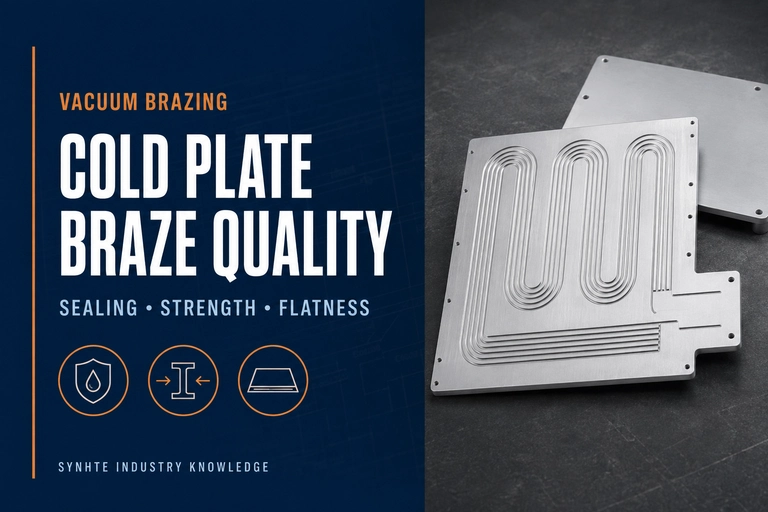
Improve cold plate vacuum brazing quality through internal joint design, filler control, clean assembly, loaded thermal profiling and separate acceptance checks.

Copper to stainless steel vacuum brazing requires compatible filler, verified hot clearance and joint evidence. Plan material, fixture and acceptance controls.

Verify vacuum heat treatment decarburization with incoming evidence, preserved cross sections and hardness profiles that separate carbon loss from other causes.

Soft magnetic alloy vacuum annealing requires controlled material history, low-stress loading, atmosphere management and traceable magnetic property tests.

Vacuum furnace oil backstreaming control separates pump-fluid transport from other hydrocarbon sources and builds safe prevention, diagnosis and release evidence.