

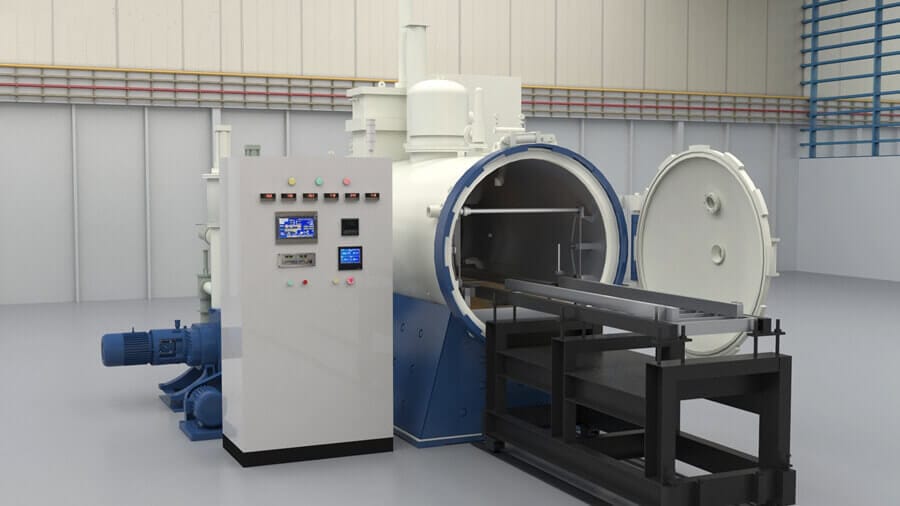
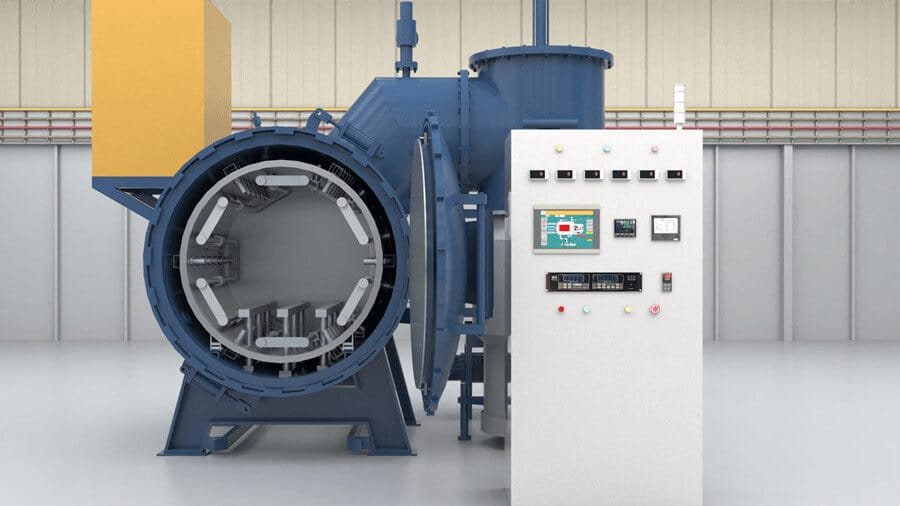
What Is a Vacuum Furnace? Working Principle, Types and Industrial Applications
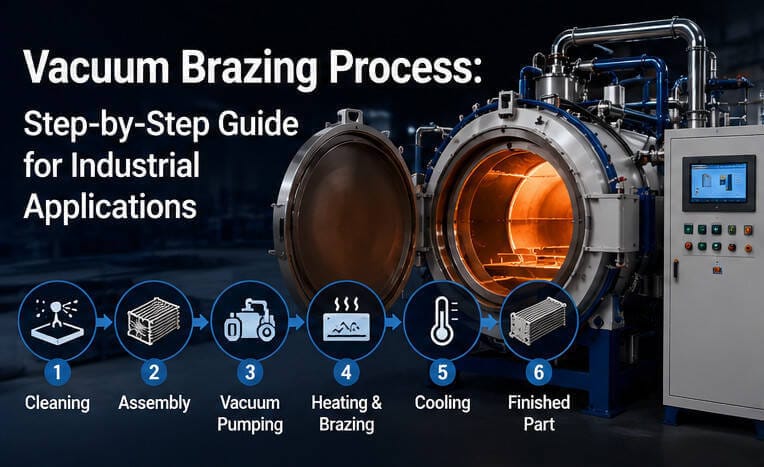
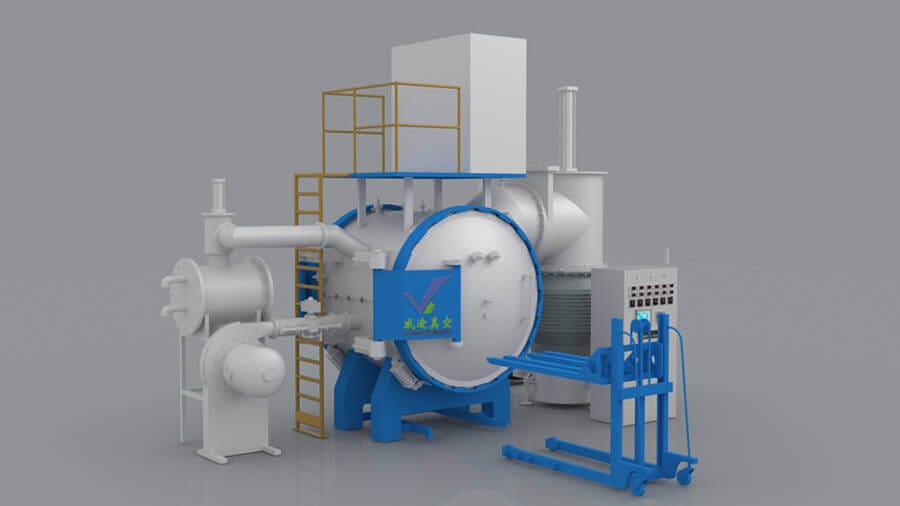
Learn what a vacuum furnace is, how it works, its common types, and industrial applications in heat treatment, brazing, and sintering for modern manufacturing.

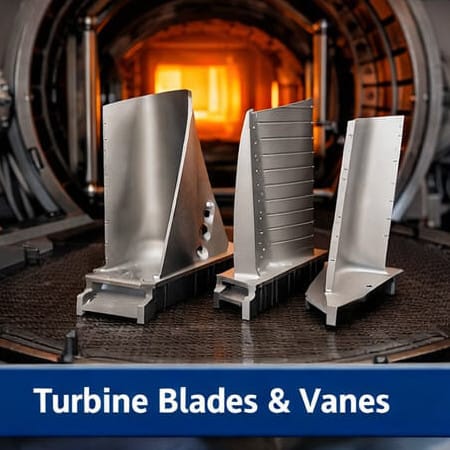
Vacuum heat treatment for nickel-based superalloy turbine blades and guide vanes to improve creep resistance, oxidation resistance, and high-temperature strength.

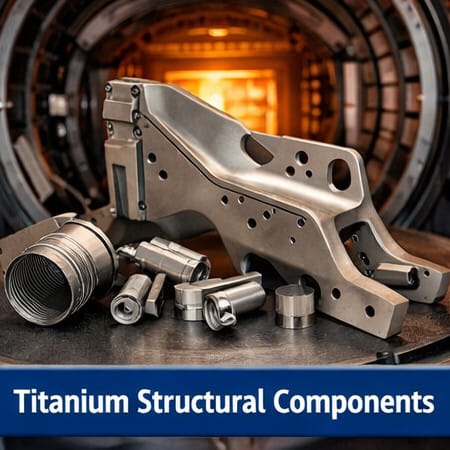
Solution treatment, aging, and stress relief processing for titanium alloy frames, brackets, landing gear parts, and lightweight structural components.

Vacuum brazing of stainless steel and aluminum heat exchangers, cooling plates, and thermal control assemblies for aircraft and aerospace systems.

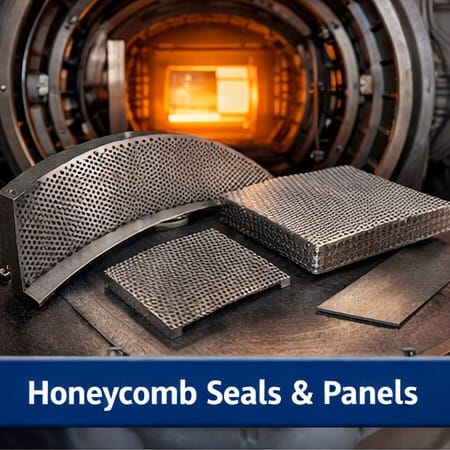
High-vacuum brazing for honeycomb seals, sandwich panels, and lightweight aerospace structural assemblies with excellent joint reliability.

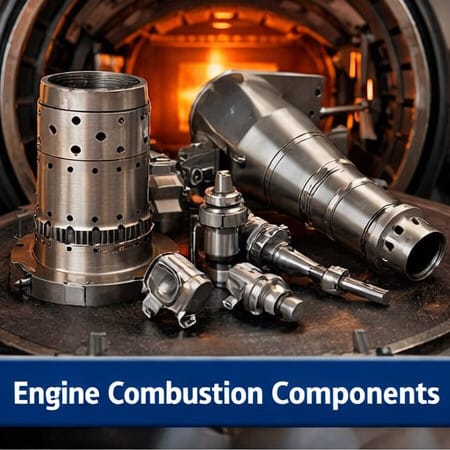
Bright heat treatment and vacuum brazing for combustion chambers, nozzles, and high-temperature engine internal components.

Vacuum brazing of aerospace sensors, waveguides, antennas, and precision electronic housings requiring leak-tight and stable joints.
Years of experience in vacuum furnace design, manufacturing, and thermal processing solutions for diverse industrial applications.
Strict quality control and stable production processes ensure consistent product performance and long-term operational reliability.
Flexible OEM, ODM, and custom processing services tailored to customer drawings, materials, and technical requirements.

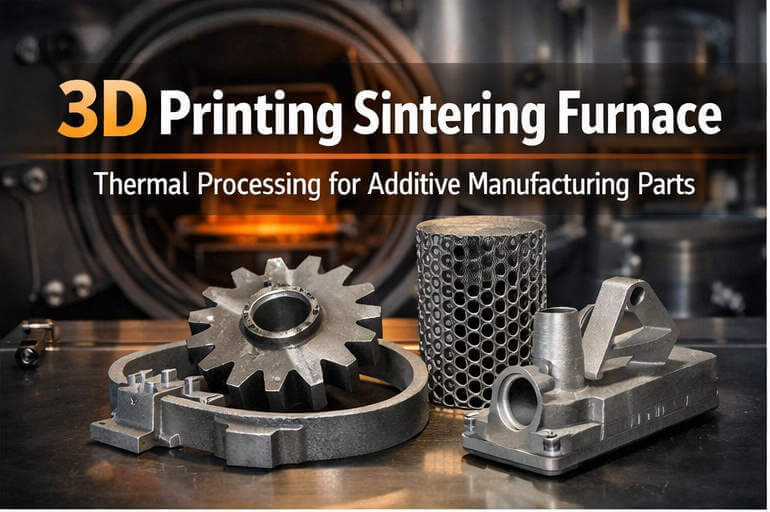
Learn what a vacuum furnace is, how it works, its common types, and industrial applications in heat treatment, brazing, and sintering for modern manufacturing.

Learn how vacuum heat treatment improves tool steel hardness, toughness, wear resistance, and service life. Explore quenching, tempering, and annealing processes for molds, dies, and cutting tools.

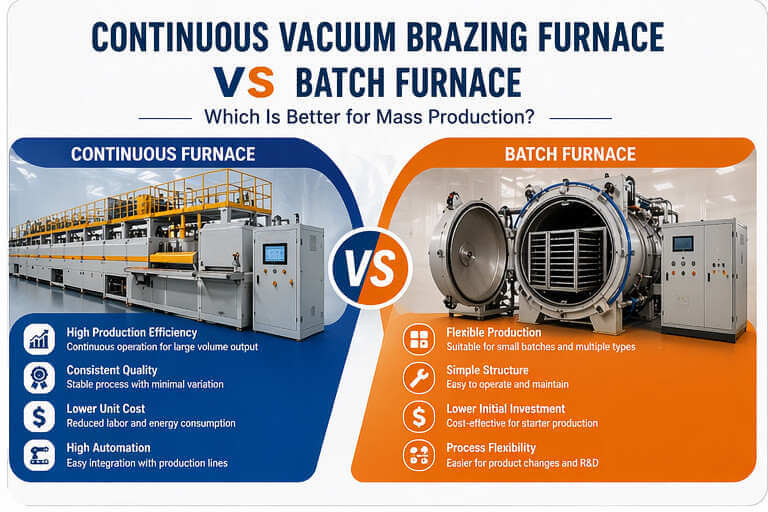
Compare continuous vacuum brazing furnaces and batch furnaces for automation, productivity, consistency, and production cost. Find out which solution is better for large-scale industrial manufacturing.

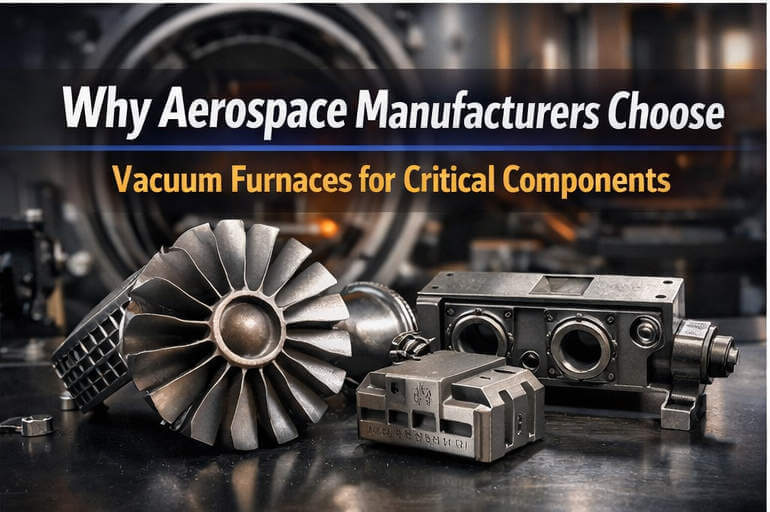
Discover why aerospace manufacturers rely on vacuum furnaces for turbine blades, titanium alloy structures, and critical engine components. Learn how vacuum heat treatment and brazing improve strength, fatigue life, and dimensional stability.