info@synthe-corp.com

+86-155-3785-7393

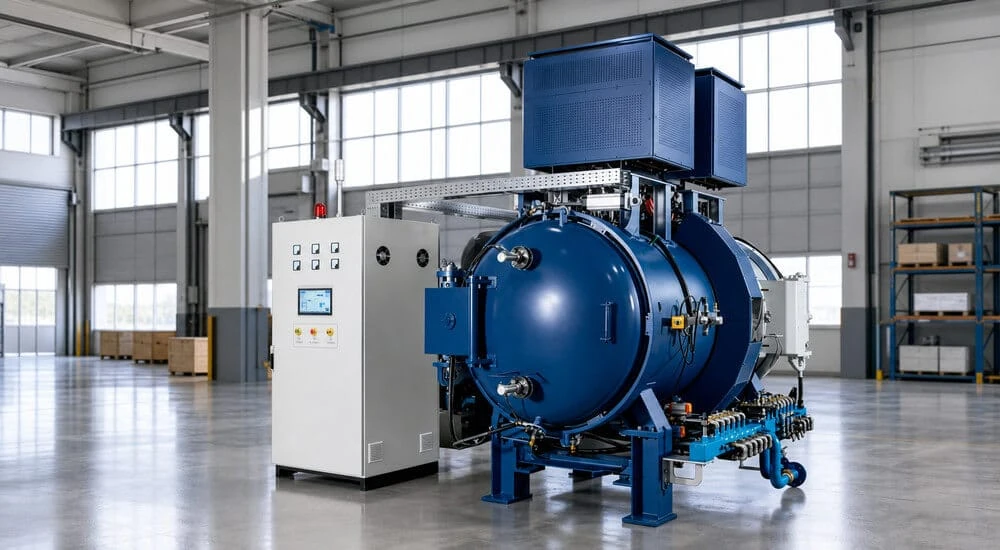
Vacuum Sintering Furnace

Reliable high-temperature sintering solutions for metals, ceramics, and advanced industrial materials.

Product Introduction

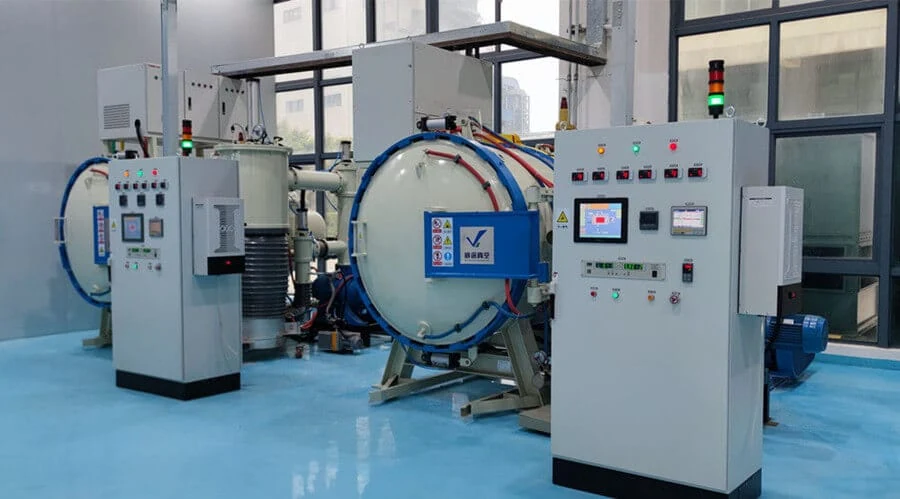
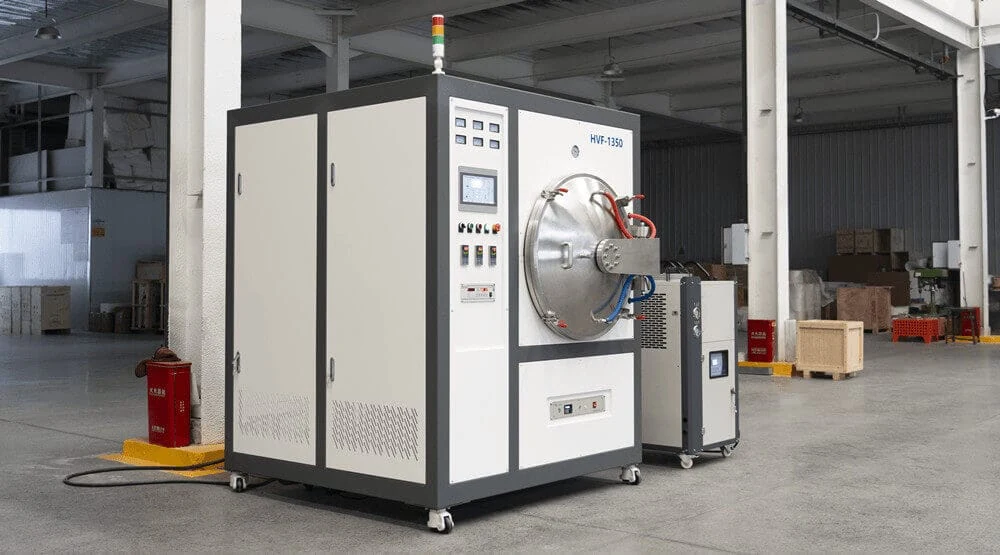
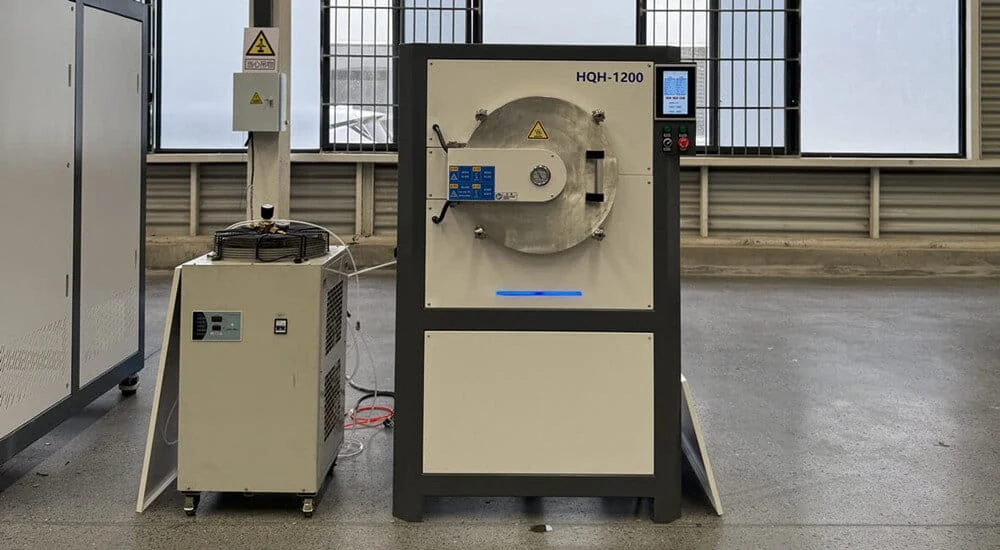
Our Vacuum Sintering Furnace is designed for high-temperature sintering of advanced materials under a clean, oxygen-free vacuum environment. It is widely used for powder metallurgy components, MIM parts, photoelectric materials, cemented carbide, magnetic alloys, advanced ceramics, rare metals, refractory metals, and various powder-based materials.

In addition to sintering, the system also supports partial dewaxing / debinding functions, making it suitable for complex powder-forming and MIM production processes.

The furnace adopts an intelligent PLC-based control system with multiple preset process curves, allowing fully automatic completion of the sintering cycle. The complete alarm and interlock system ensures safe and stable operation during high-temperature production. Similar industrial sintering systems commonly use PLC automation and fault alarms for repeatable batch processing.

How to use this hub: start with the material and forming route, then identify binder-removal needs, atmosphere, temperature, applied pressure, load orientation, cooling and acceptance requirements. Use the matrix below to match those process functions to the most suitable furnace family.

Key Specifications

ItemSpecification
Maximum Temperature2200°C
Temperature Uniformity±5°C
Temperature Control Accuracy±1°C
Heating ElementsMolybdenum / Graphite
Ultimate Vacuum4 × 10⁻³ Pa
Pressure Rise Rate0.5 Pa/h
Control SystemPLC + Touch Screen
Process FunctionsSintering + Partial Dewaxing
StructureHorizontal / Vertical / Custom

Typical Applications

Powder Metallurgy

For sintering of:

metal powder structural parts / stainless steel powder components / iron-based alloy parts / wear-resistant components


MIM Components

Suitable for Metal Injection Molding parts, including:

precision gears / medical components / electronic hardware / automotive small parts


Hard Alloys & Carbides

Used for:

cemented carbide tools / cutting inserts / wear-resistant nozzles / carbide molds

Vacuum sintering is a standard process for hard alloy manufacturing.


Advanced Ceramics

Applicable for:

zirconia / alumina / silicon carbide / silicon nitride / transparent ceramics


Rare & Refractory Metals

Suitable for:

tungsten / molybdenum / tantalum / rare earth alloy materials

These materials typically require ultra-high temperature vacuum processing.

Choose the right sintering product family

Product familyBest starting point whenRFQ variables
Multipurpose vacuum sinteringA configurable batch platform is required for an already defined material process.Material, atmosphere, temperature, load and cooling.
Additive manufacturing sinteringBinder-based printed green parts require a controlled thermal route.Printing route, binder, shrinkage, support and density target.
MIM debinding and sinteringBinder removal and sintering must be engineered as one production workflow.Feedstock, binder, green-part mass, vapour handling and density.
Controlled-atmosphere tube furnaceA validated reducing or protective atmosphere is central to the process.Gas composition, flow, safety, exhaust and material compatibility.
Vacuum hot pressApplied pressure during the thermal cycle is required.Force, tooling, specimen geometry, temperature and vacuum.
Bottom-loading vacuum sinteringHeavy, tall or vertically handled loads need bottom access.Load centre, height, handling, fixtures and service access.

Core Features

Ultra-High Temperature Capability

With a maximum temperature of 2200°C, the furnace is suitable for processing high-density and refractory materials that require elevated sintering temperatures, such as tungsten, molybdenum alloys, carbides, and technical ceramics. Similar industrial furnaces are commonly specified in this temperature range.


Dual-Stage Temperature Control

The low-temperature and high-temperature stages use different control elements and control strategies, with automatic switching during the process cycle.

This design provides:

  • faster heating response at low temperature
  • improved control stability at high temperature
  • better process repeatability
  • reduced thermal fluctuation

This is especially important for MIM parts and ceramic sintering processes that require precise heating ramps.


Intelligent Process Automation

The system supports multiple preset process recipes, enabling fully automatic sintering cycles.

Typical programmable steps include:

  • vacuum pumping
  • heating ramp
  • dwell temperature
  • partial dewaxing
  • controlled cooling
  • alarm protection

This significantly improves batch consistency and production efficiency.


Complete Safety & Alarm System

The furnace includes a full protection system, such as:

  • over-temperature alarm
  • vacuum abnormality alarm
  • water cooling protection
  • power fault protection
  • pressure abnormality alarm
  • interlock safety logic

Optional Configurations

All furnace systems can be customized according to process requirements.

Optional configurations include:

  • graphite hot zone
  • molybdenum hot zone
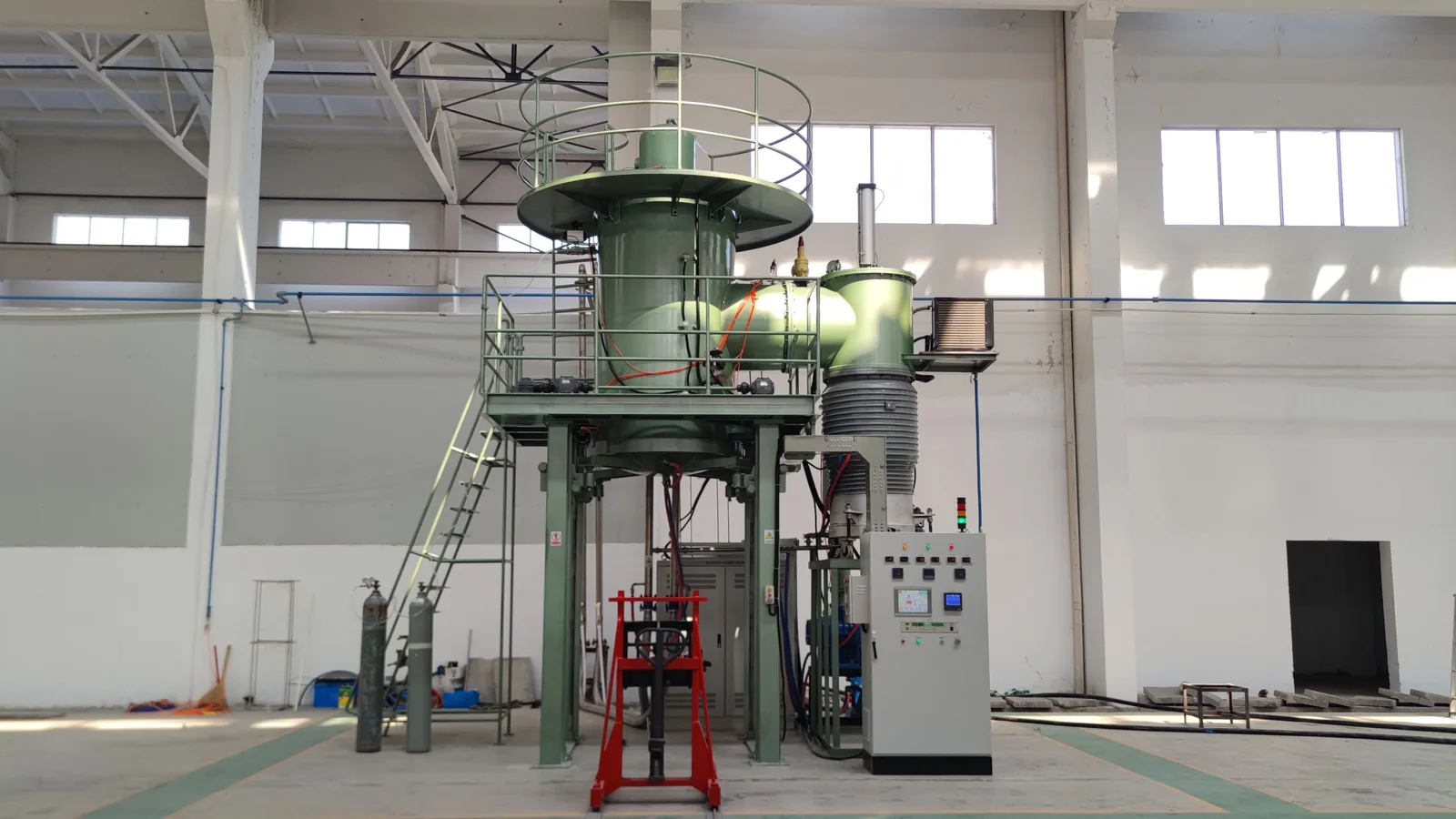
  • vertical or horizontal structure
  • vacuum + inert gas atmosphere
  • hydrogen reduction compatibility
  • automatic feeding system
  • debinding module
  • data recording system
  • remote monitoring

Selection and RFQ checklist

Turn the published configuration range into a useful project proposal by providing:

  • powder or material grade, printing/forming route and binder chemistry;
  • green-part drawing, shrinkage allowance, fixture and batch mass;
  • process sequence, atmosphere and vacuum requirements;
  • target density, dimensions, properties and inspection standard;
  • annual volume, cycle time, cooling, utilities and acceptance evidence.

For process context, read the 3D printing sintering guide and powder metallurgy and MIM applications. Then submit the sintering RFQ.

Custom Design

In addition to standard models, all furnaces can be customized based on:

  • working chamber size
  • loading capacity
  • material process
  • atmosphere requirements
  • automation level

This makes the system suitable for both laboratory use and industrial mass production.

Acceptance planning

FAT/SAT and quality evidence are contract-specific. State the required hot-zone test, vacuum and pressure-rise test, gas-system checks, alarm and interlock challenge, data-record format and representative loaded-cycle criteria in the RFQ.

Detailed Information

Multipurpose vacuum sintering furnace

Industrial & lab vacuum sintering furnace

Powder metallurgy and MIM components

Ultra-high temperature sintering

Ceramics, hard alloys, and refractory metals

Dewaxing and atmosphere-assisted sintering

Additive Manufacturing Sintering Furnace

3D printing sintering furnace

Metal powder densification

Debinding and final sintering

Titanium and stainless steel parts

High precision thermal control

Hydrogen-Atmosphere Tube Furnace

Hydrogen gas/CH4 etc treatment.

Heat degreasing and sintering

Inert gas atmosphere

Protective gas annealing

Metal powder processing

MIM Vacuum Debinding & Sintering Furnace

One-step vacuum debinding and sintering

7-stage wax trap system for clean binder removal

Powder metallurgy and MIM component production

Stainless steel, titanium, and hard alloy parts

High uniformity thermal processing up to 1600°C

VMPE Vacuum Hot Press Sintering Furnace

Hot pressing and pressure sintering

Up to 1600°C processing

100T hydraulic press force

Vacuum processing with graphite tooling

Programmable temperature and pressure control

Bottom-Loading Vacuum Sintering Furnace

High-temperature vacuum sintering

Bottom loading for heavy or tall loads

Uniform graphite hot-zone heating

Vacuum and argon atmosphere processing

Custom working zone and control system

Contact Us

15+ Years Industrial Experience

Annual output 200+

CE & ISO Certified

Reply within 12 hours

Professional technical support

Free consultation service