Which metal 3D printing processes need a sintering furnace?
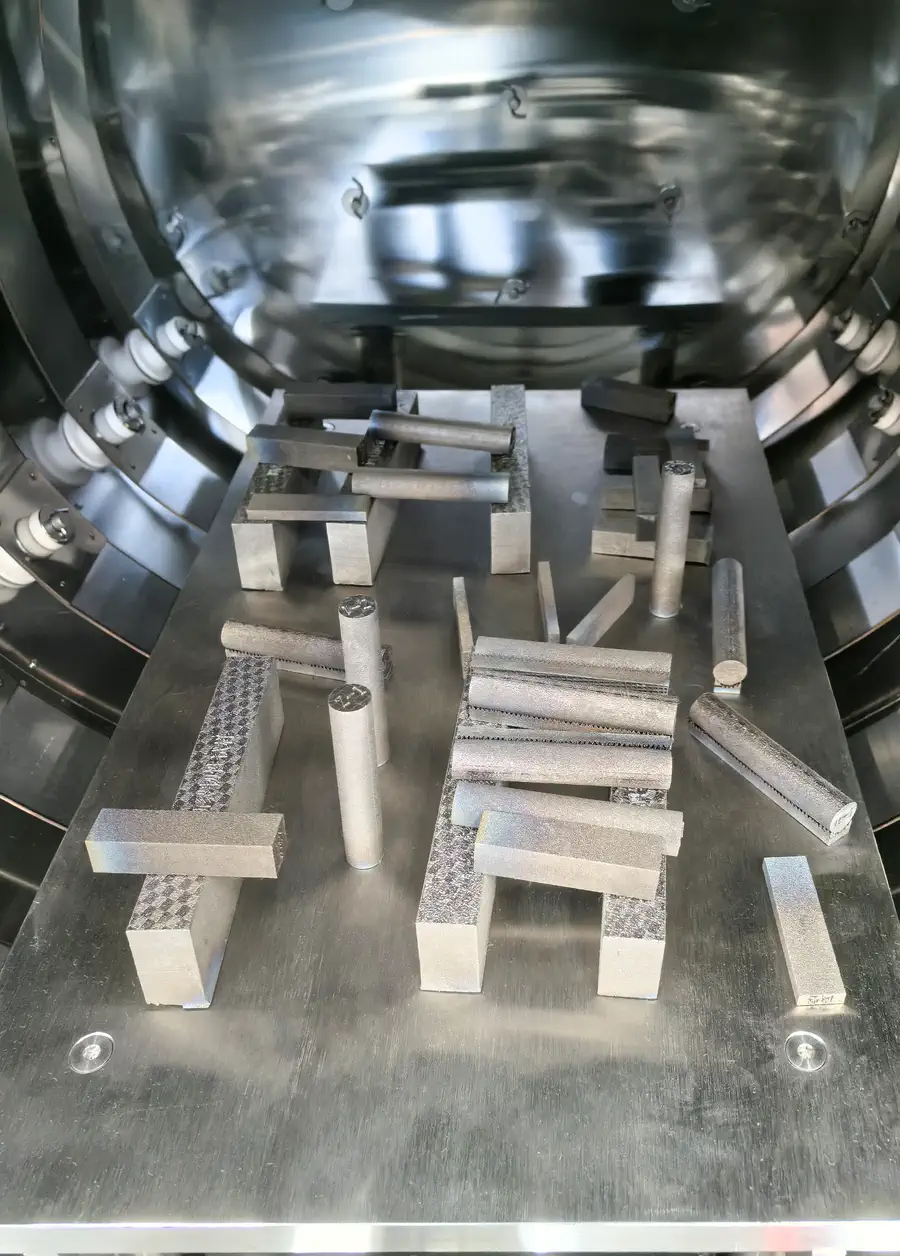
Binder Jetting and bound-metal extrusion or Metal FFF normally produce green parts that require debinding and sintering. LPBF parts are already consolidated by laser melting during printing and usually follow a heat-treatment, stress-relief or HIP route instead.
Can debinding and sintering be integrated in one furnace?
They can be integrated when the binder chemistry, vapor load, chamber cleanliness, pumping protection and maintenance plan are compatible. Other feedstocks require external catalytic or solvent debinding before sintering.
Should I choose a graphite or molybdenum hot zone?
The choice depends on sintering temperature, alloy chemistry, carbon and oxygen limits, atmosphere, fixture materials and service plan. SYNHTE reviews these inputs before fixing the hot-zone construction.
How is AM-part shrinkage controlled?
Use the feedstock supplier’s baseline together with printed coupons and representative parts. Print orientation, geometry, green density, setters, support and thermal cycle can all influence directional shrinkage and distortion.
What information is required for a quotation?
Provide AM process, material/feedstock, binder and debinding route, largest green part, batch load, target cycle, atmosphere, final density/dimensional criteria, utilities and required FAT/SAT records.
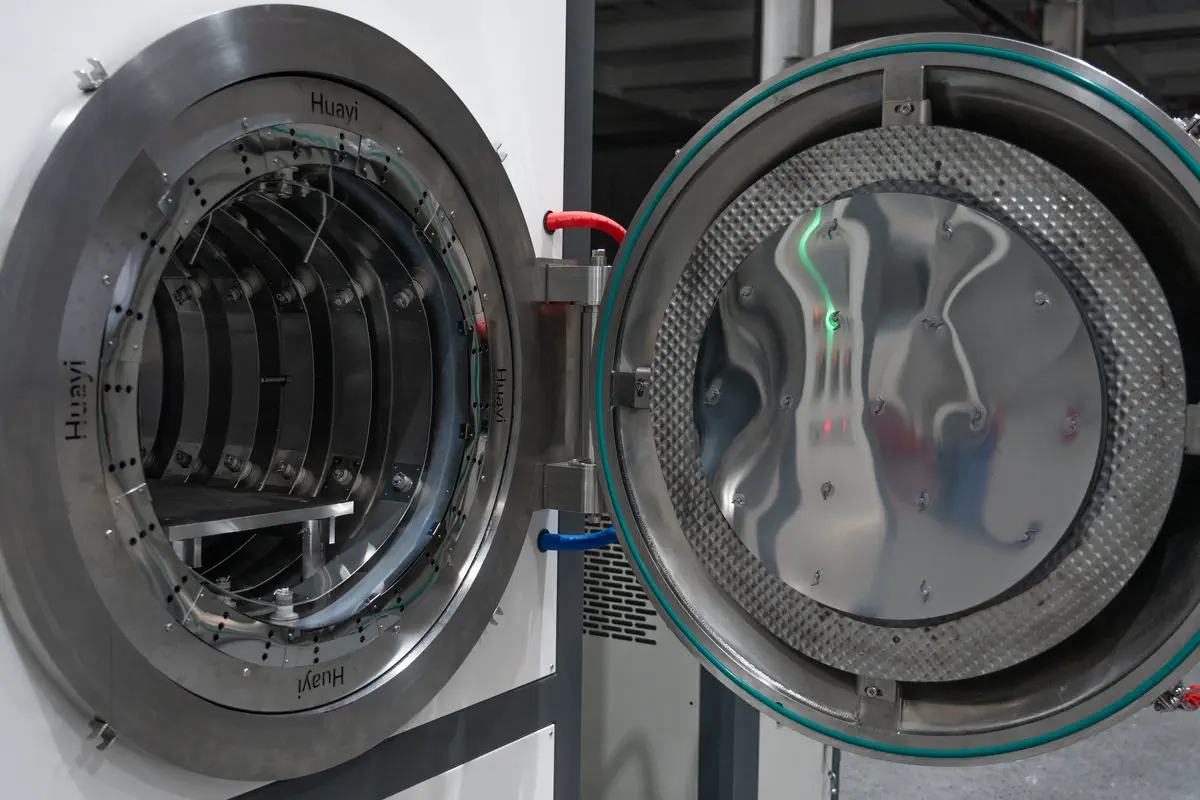
Is the 400 × 250 × 250 mm working zone fixed?
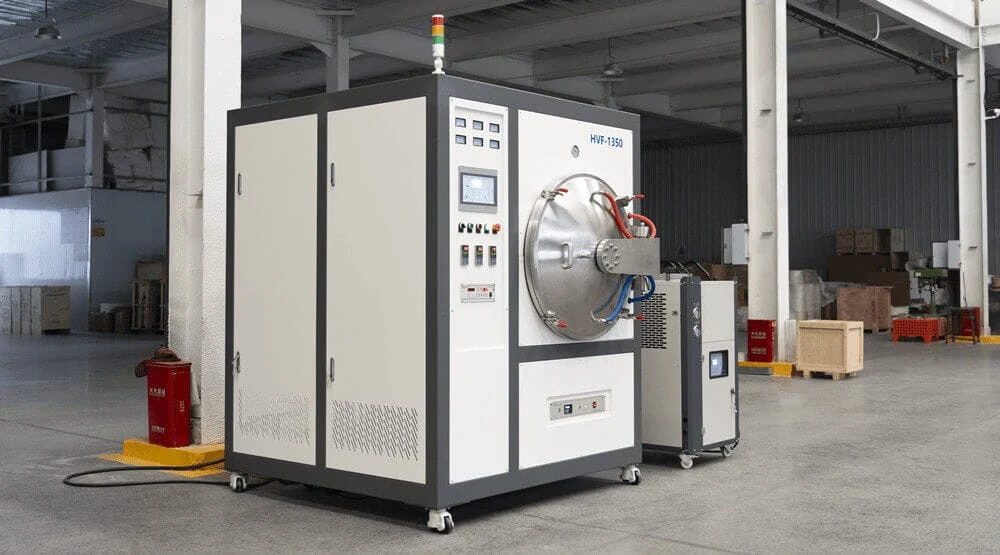
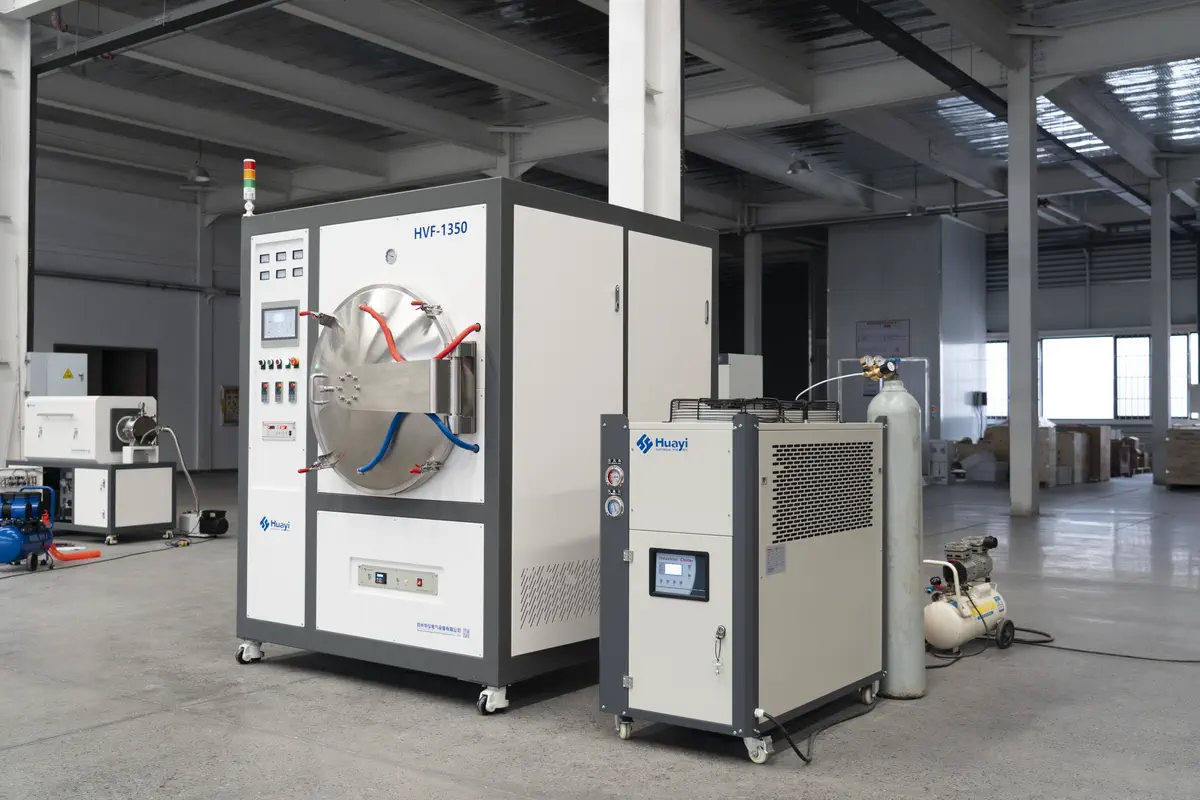
The working zone is configurable. The 400 × 250 × 250 mm size is the HVF-1350 reference configuration, while the final size is selected from the qualified load envelope, fixtures, clearance, production volume and temperature-survey plan.