Critical components
Aerospace
Turbine and hot-section parts, precision brazed assemblies, heat exchangers and titanium or nickel-alloy components.
Application engineering hub
Find a practical furnace route for brazing, heat treatment, sintering or pressure-assisted joining. The final configuration depends on your material, part geometry, thermal cycle, atmosphere, load and acceptance requirements.
01 / Route finder
Choose one entry point. The recommendation explains the next engineering question and links directly to the relevant product or industry page.
Select your target process
Select a material family
Select an industry
Final furnace configuration is confirmed after our engineers review your material, load, thermal cycle and acceptance requirements.
02 / Selection logic
Compare the material, process objective and acceptance inputs that guide the first equipment recommendation.
| Industry / part | Material input | Process objective | Starting route | Acceptance inputs |
|---|---|---|---|---|
| Aerospace precision assembly | Project-specified alloy and filler | Precision joining | Vacuum brazing or pressure-assisted joining | Joint geometry, load, distortion and customer test requirement |
| Automotive gear or shaft | Project-specified steel | Case or through hardening | Heat treatment / carburizing + quench | Case depth, hardness, distortion and throughput |
| Cold plate or heat exchanger | Aluminum or stainless route | Controlled joining | Vacuum brazing | Filler, joint, load support and leak-test requirement |
| Powder metal or MIM part | Feedstock / alloy system | Debinding and densification | Debinding + sintering | Binder path, atmosphere, shrinkage, density and batch mass |
| Advanced ceramic component | Composition to be confirmed | Densification / pressure-assisted route | Controlled atmosphere or hot-press review | Chemistry, tooling, atmosphere boundary and target properties |
03 / Industry routes
Choose your industry to review representative parts, process routes and the information needed for equipment selection.
Critical components
Turbine and hot-section parts, precision brazed assemblies, heat exchangers and titanium or nickel-alloy components.
Two buying paths
Gears and shafts require a heat-treatment route; heat exchangers, EV cold plates and cooling assemblies require a brazing route.
Traceable processing
Controlled heat treatment, brazing and selected sintering routes for instruments and parts, with customer-owned validation boundaries.
Assembly & thermal management
Electronic packages, liquid-cooling assemblies, RF components, waveguides and other precision brazed assemblies.
Powder & alloy routes
Powder metallurgy, MIM, alloy heat treatment and carbide routes—separated by the required process outcome.
Atmosphere-sensitive
Material-led assessment for ceramic densification and pressure-assisted routes; atmosphere suitability depends on composition and tooling.
04 / Process to product
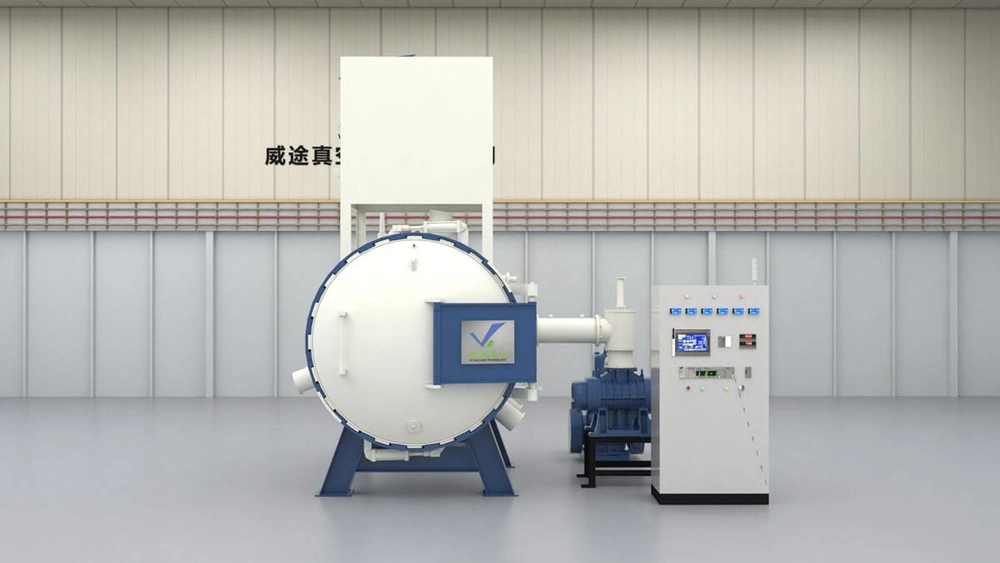
Work-zone, load, pumping, atmosphere, heating and cooling requirements determine the final furnace configuration.
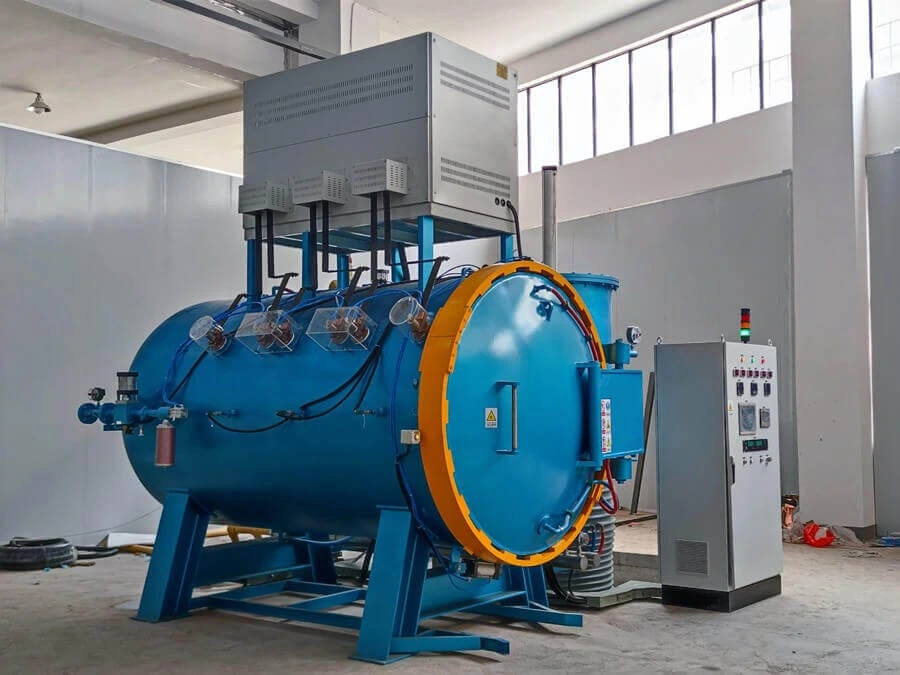
Joining
Start here when joint geometry, filler behavior, load support and surface condition control the joining result.
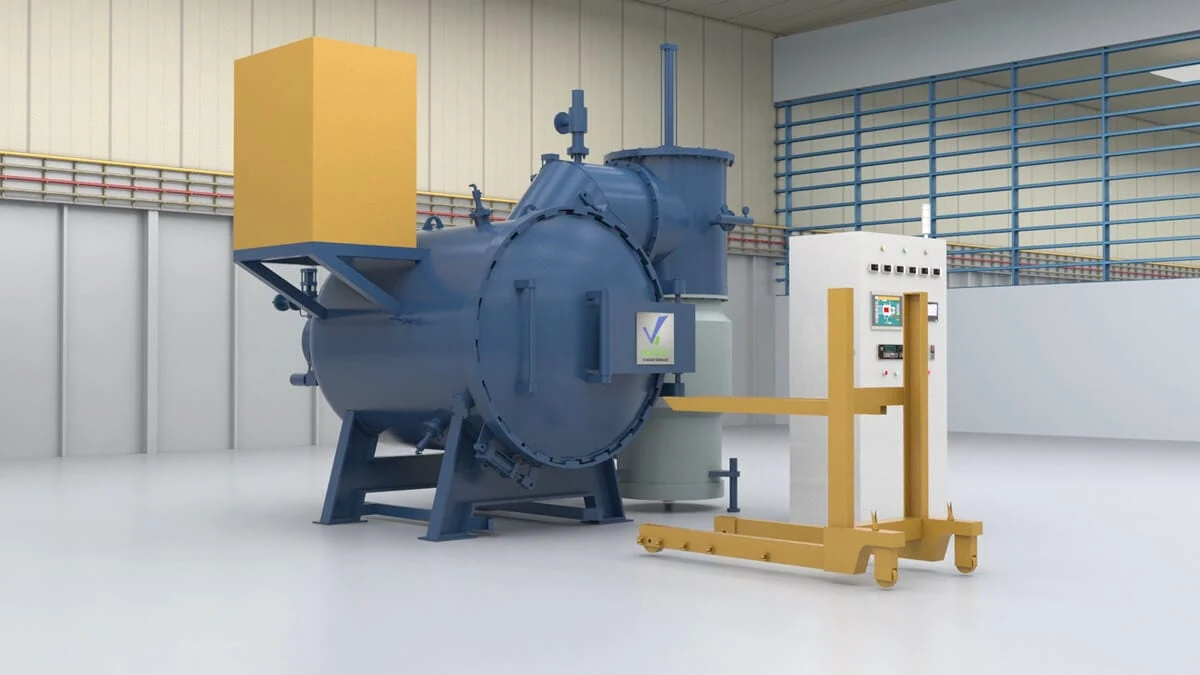
Heat treatment
Start here when thermal cycle, temperature uniformity, distortion and gas or oil quenching define the route.
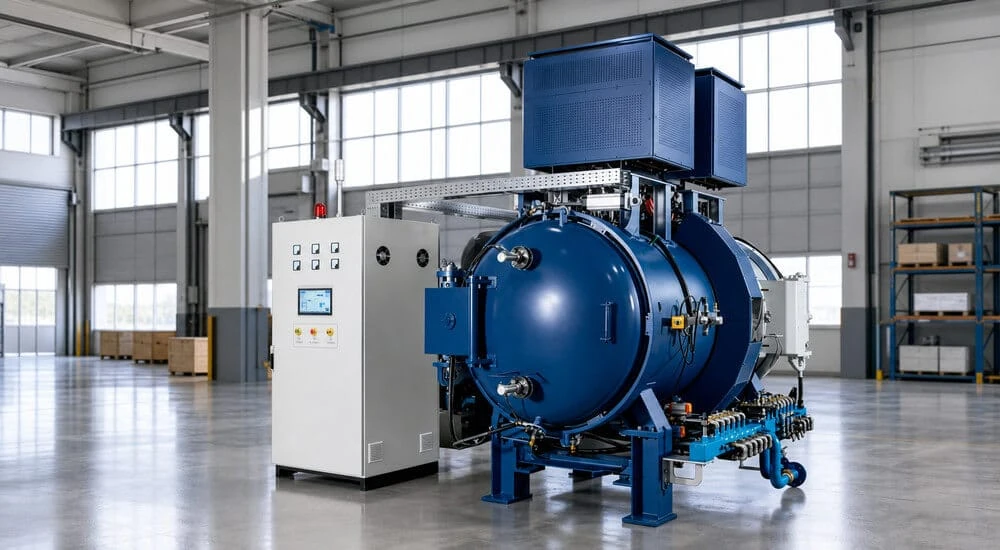
Sintering
Start here when feedstock, binder removal, atmosphere, shrinkage and batch consistency govern the process.
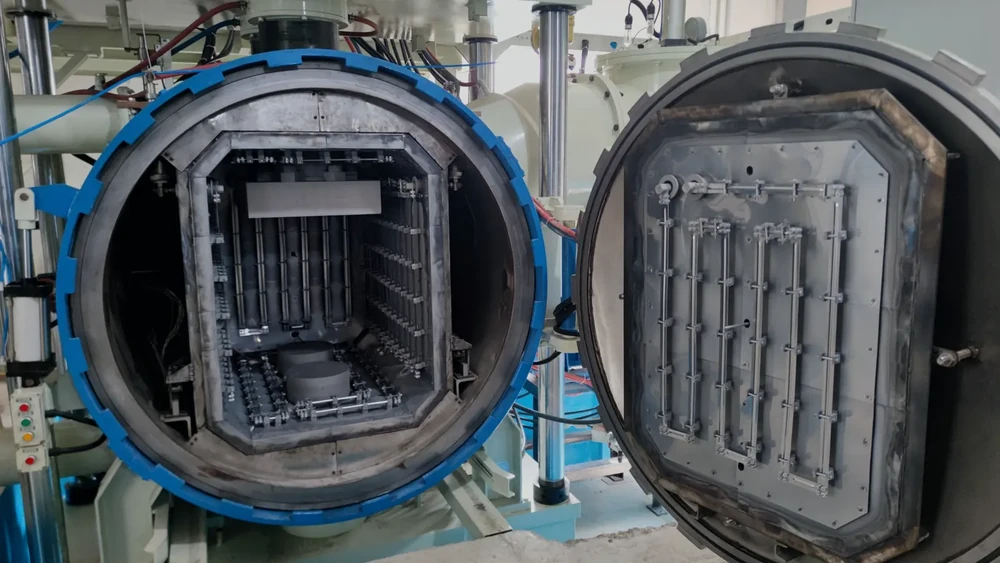
Pressure-assisted
Start with a joint or material review where pressure, tooling, contact surfaces and thermal profile interact.
05 / Define the project
Send what is available. Unknown values can be marked for engineering review; invented precision is less useful than a clear boundary.
Prepare your requirementPart family, material grade, surface state, filler or binder where relevant.
Joint, hardness, case depth, densification, stress relief or other required result.
Maximum part envelope, fixture, batch mass and production expectation.
Cycle information plus vacuum, gas, partial pressure and cooling needs.
Customer specification, test method, traceability and documentation boundary.
06 / Evidence before selection
Useful evidence connects furnace configuration to measurable acceptance. These resources frame questions for an engineering discussion.
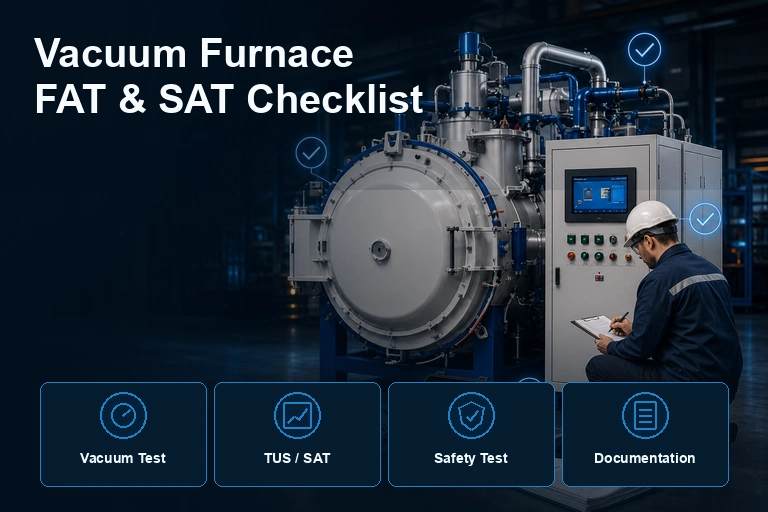
Project qualification
Process environment
Vacuum integrity