
Build an aluminum vacuum brazing moisture control plan for cleaning,...
Read MoreIn modern precision manufacturing, powder metallurgy (PM) and metal injection molding (MIM) have become essential technologies for producing complex metal parts with high consistency and excellent material utilization.
Typical applications include:
For these products, the final performance depends not only on raw powder quality, but more importantly on the sintering process.
Among all thermal processing systems, the vacuum sintering furnace has become the preferred solution for high-performance PM and MIM production because it delivers cleaner processing conditions, better density, and more stable dimensional control.
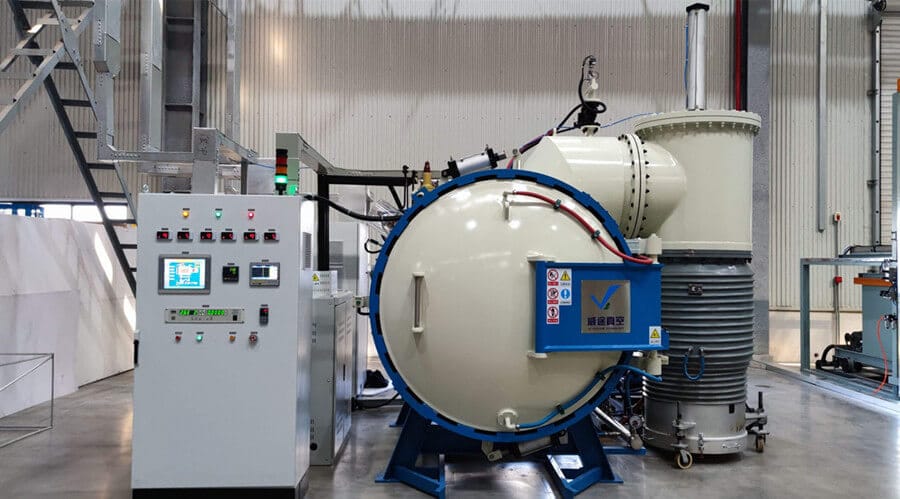
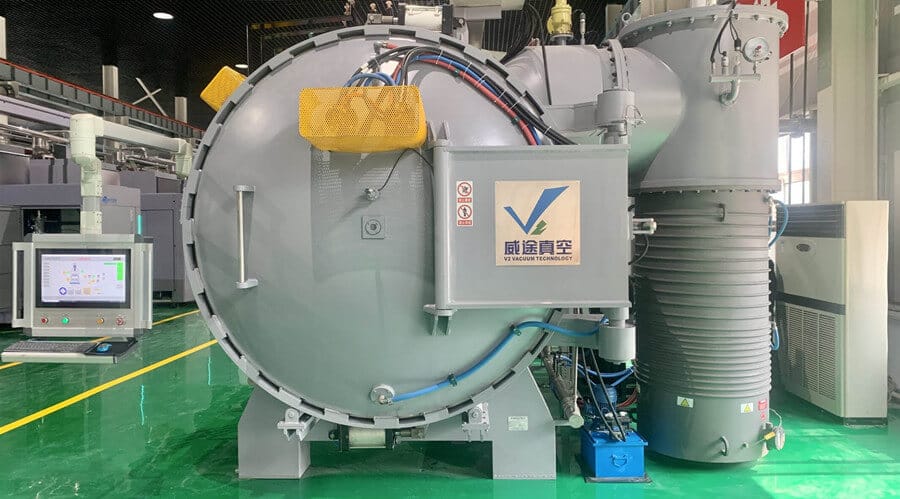
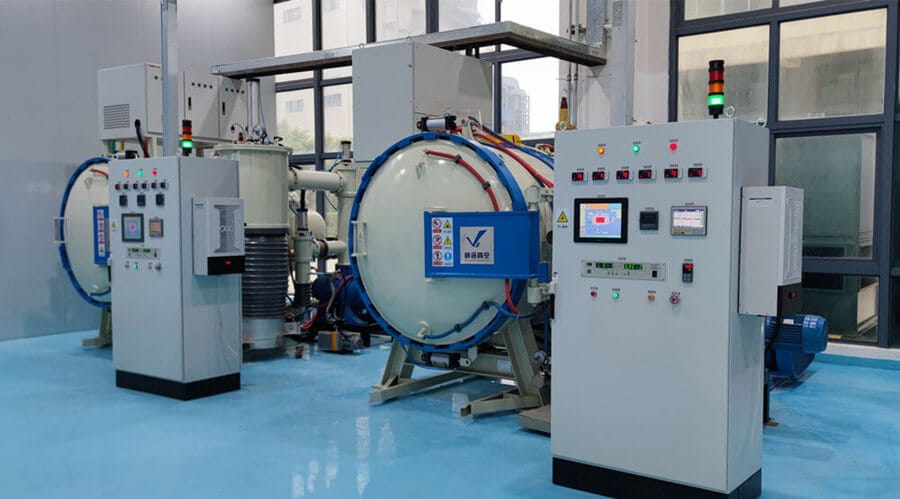
A vacuum sintering furnace is a high-temperature thermal processing system designed to densify pressed powder or molded green parts under a high-vacuum or controlled atmosphere environment.
The process typically includes:
In MIM manufacturing, the furnace often integrates debinding and sintering into one system, which improves efficiency and consistency.
The vacuum environment helps eliminate reactive gases during heating, preventing:
This is especially important for stainless steel, carbide, refractory alloys, and precision MIM parts.
One of the biggest advantages of vacuum sintering is higher densification.
During the sintering cycle, powder particles undergo atomic diffusion and gradually bond into a dense solid structure.
This significantly improves:
For MIM parts, final density often directly determines whether the component can replace machined or forged parts.
Research and industry applications show that vacuum sintering can greatly improve densification compared with conventional atmosphere systems.
This is especially critical for:
For PM and MIM customers, dimensional consistency is one of the most critical requirements.
This is particularly important for:
Vacuum furnaces provide:
This helps minimize:
For near-net-shape manufacturing, this directly reduces post-machining costs.
Vacuum sintering furnaces are widely used for difficult-to-process materials such as:
These materials are highly sensitive to oxygen at elevated temperatures.
Vacuum processing ensures better purity and more stable metallurgical performance.
For MIM manufacturing, integrated furnace systems provide a major production advantage.
Modern vacuum sintering furnaces can combine:
into one automated cycle.
This improves:
For large-volume industrial MIM production, this creates significant commercial value.
Vacuum sintering furnaces are widely used in:
More manufacturers are switching to vacuum systems because they provide:
For precision industries, this creates clear long-term cost advantages.
For powder metallurgy and MIM manufacturing, the final product quality is heavily dependent on the sintering process.
A vacuum sintering furnace provides the optimal combination of:
This is why it has become the standard thermal processing solution for modern precision manufacturing.
Build an aluminum vacuum brazing moisture control plan for cleaning,...
Read MoreQualify vacuum sintering partial-pressure control through gas identity, admission and...
Read MoreCompare nitrogen and argon for vacuum gas quenching, including alloy...
Read MoreVacuum Gas Quenching Furnace for Bright Hardening and High-Pressure Cooling...
Read MoreVacuum Annealing Furnace for Precision Heat Treatment and Stress Relief...
Read MoreMultipurpose Vacuum Sintering Furnace for High-Temperature Precision Sintering and Debinding...
Read More